People often ask me to describe Persian cuisine in one sentence, and honestly, that’s a hard thing to do. It’s not defined by heat, like some cuisines are. It’s not defined by one dominant spice either. What actually defines Persian cuisine is balance — a handful of core flavors that show up again and again, working together rather than competing.
Here are the five I’d point to if I had to explain it simply.
1. Saffron
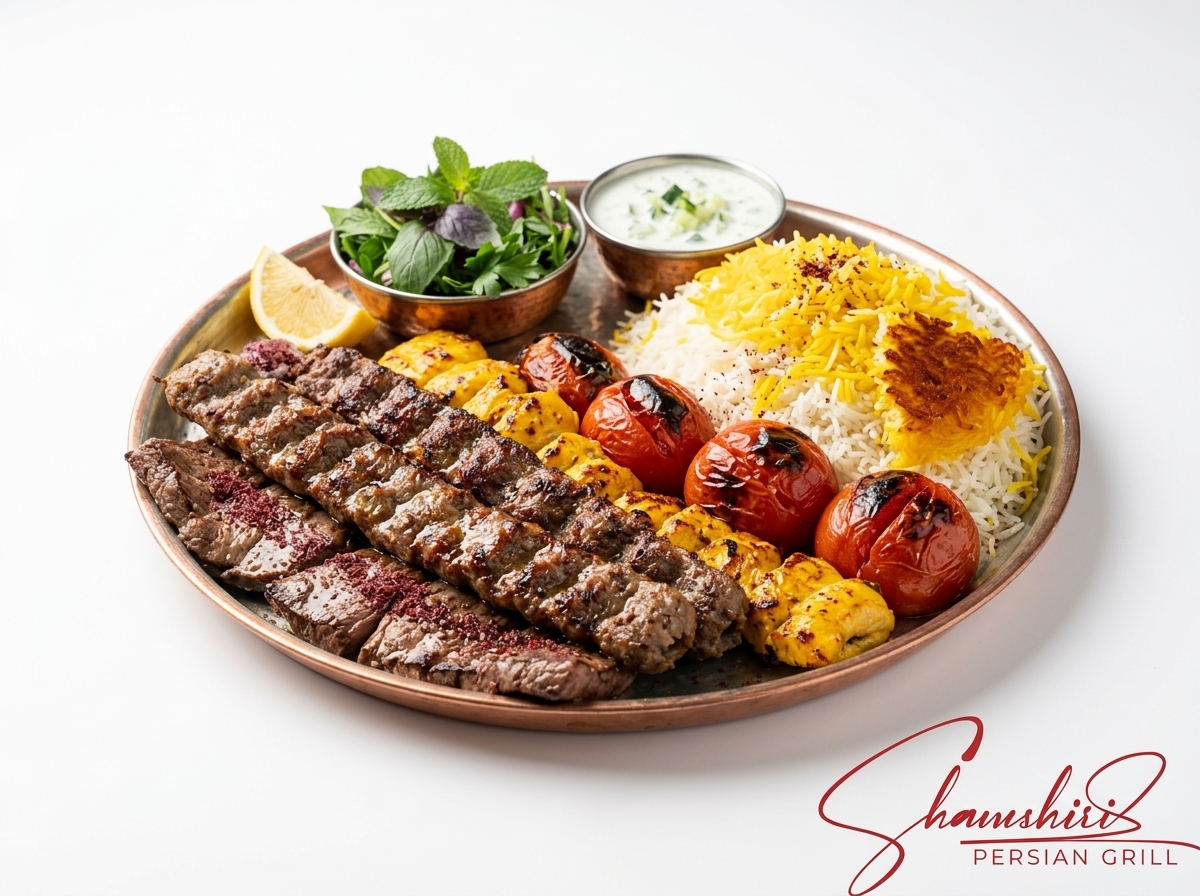
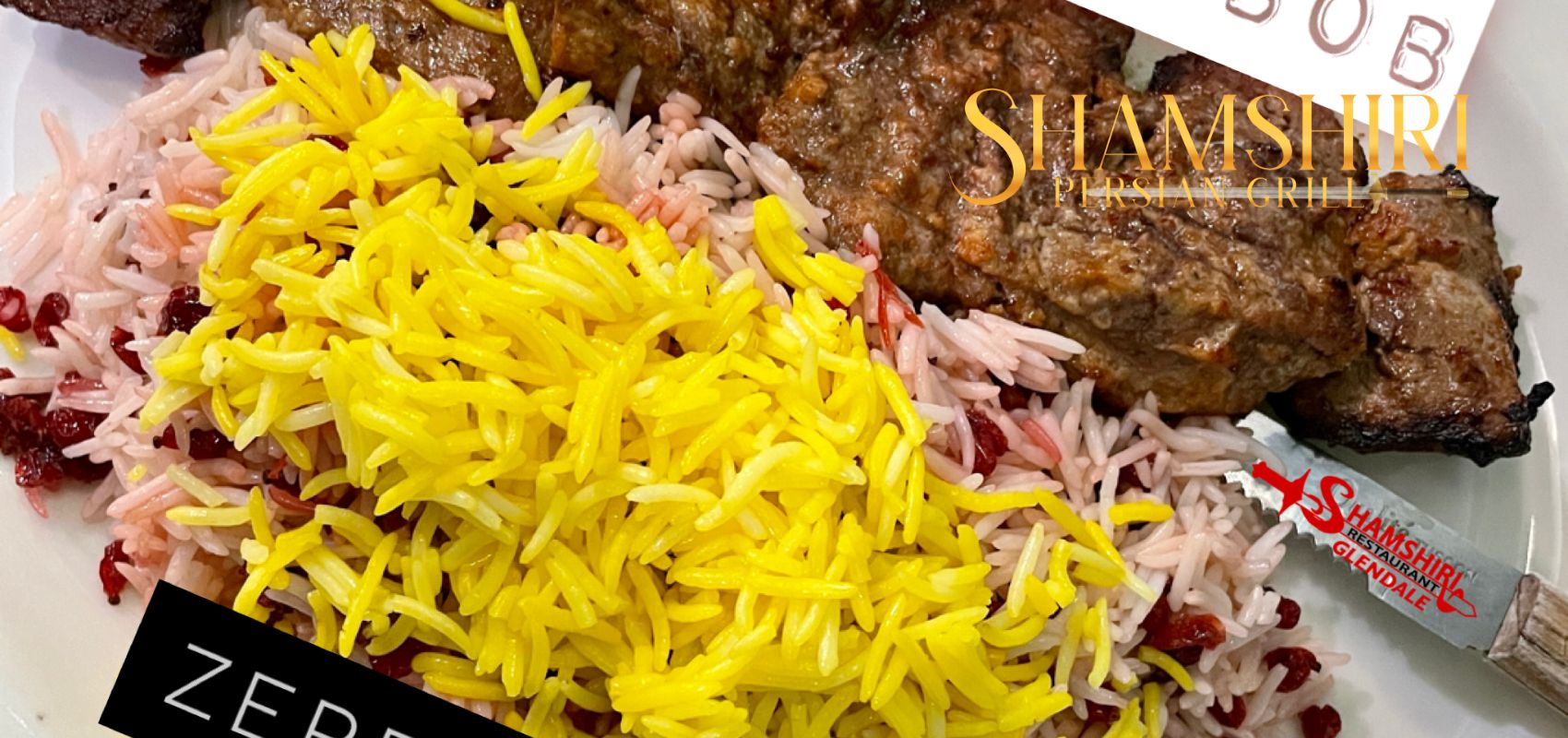
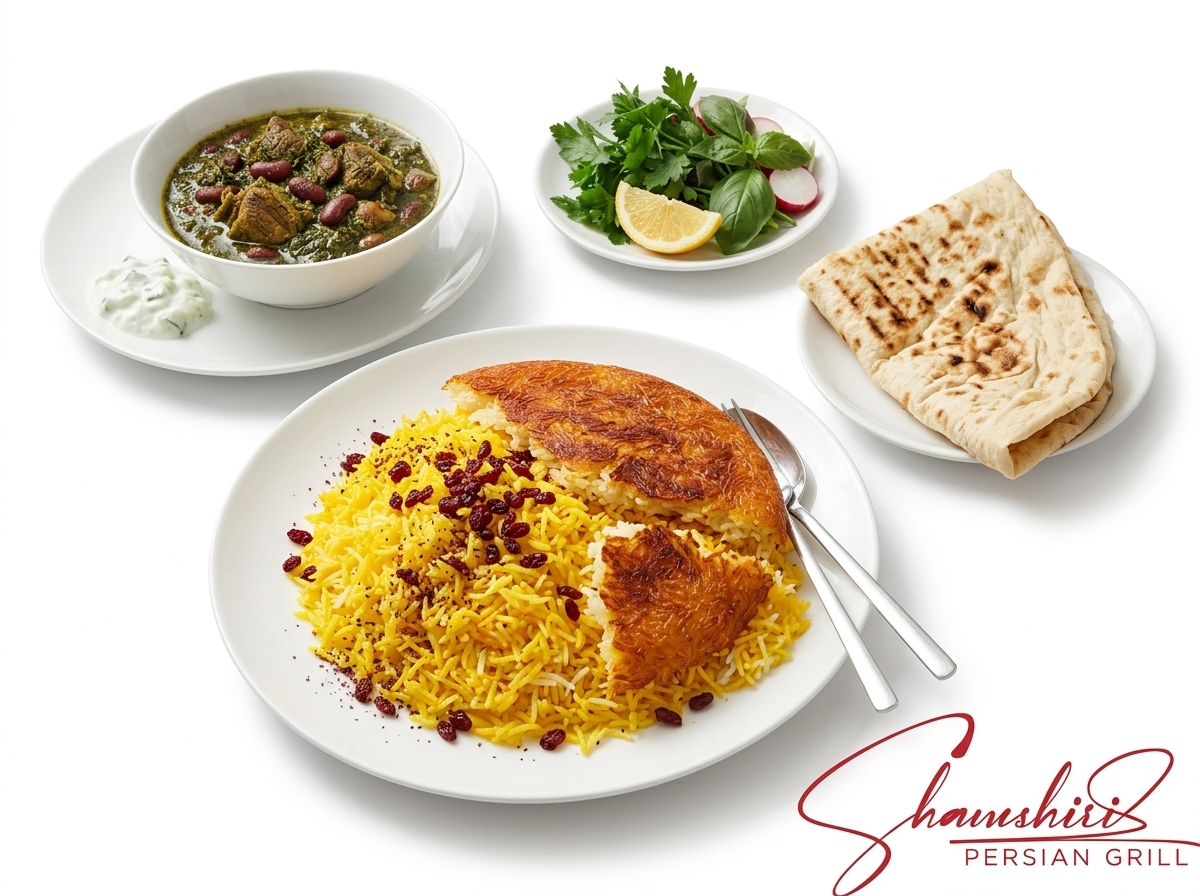
No conversation about Persian cuisine goes far without mentioning saffron. It’s what gives our rice its golden color and gives many dishes their distinct floral aroma. It’s an expensive spice, and it’s used with intention rather than heavy-handedly — a little goes a long way in the right dish.
2. Sour, Tangy Notes
Dried limes, pomegranate, sumac, barberries — Persian cuisine leans on sour and tangy ingredients to cut through rich, grilled meats. This is part of what makes the food feel light even when a dish is hearty. It’s balance, not bluntness.
3. Sweet Meets Savory
Fesenjan is the clearest example — a savory chicken stew built on ground walnuts and pomegranate molasses, where sweetness and richness sit side by side rather than fighting each other. This pairing shows up throughout Persian cuisine, and it’s one of the things that surprises first-time guests the most.
4. Fresh Herbs in Abundance
Parsley, cilantro, dill, mint, scallions — Persian cuisine uses herbs generously, not as a garnish but as a core ingredient. Ghormeh sabzi, for example, is built almost entirely around a deep base of sautéed herbs. It’s part of what gives Persian food its fresh, green character even in slow-cooked dishes.
5. Smoke from Open-Flame Grilling
Kabobs are grilled over real charcoal, not gas, which gives Persian cuisine its distinct smoky backbone. That char, paired with the brightness of herbs and citrus, is a combination that defines the eating experience as much as any single spice does.
Tasting These Flavors in Glendale
At Shamshiri Persian Grill, every dish we serve is built around this same balance — saffron, tang, sweetness, herbs, and smoke, working together rather than one flavor overpowering the rest. You can explore our full menu on our Persian food page, or see the complete experience on our Persian restaurant page.
As Britannica notes, Persian cuisine is characterized by its subtle spicing and thoughtful pairing of flavors rather than heat or heaviness — which is exactly the philosophy behind everything we cook here in Glendale.
You’ll find us at 122 W Stocker St, Glendale, CA, or get directions through our Google Maps listing.
Frequently Asked Questions
What flavors define Persian cuisine?
Persian cuisine centers on saffron, sour and tangy notes, sweet-savory pairings, fresh herbs, and smoky, open-flame grilled meats.
Is Persian cuisine spicy?
No, Persian cuisine relies on aromatic and balanced flavors rather than heat or spiciness.
Why is saffron so important in Persian cooking?
Saffron adds color, aroma, and a distinct floral note to rice and many dishes, making it one of the most recognizable elements of Persian cuisine.
What dish best represents Persian cuisine’s sweet-savory balance?
Fesenjan, a chicken stew made with walnuts and pomegranate molasses, is one of the clearest examples of this balance.
Taste the Balance Yourself
The best way to understand Persian cuisine is to taste how these flavors come together on one plate. Visit us at Shamshiri Persian Grill in Glendale, CA.
📞 Call us at 818-246-9541 for reservations or questions about our menu.