I get this comparison a lot, usually from guests who love backyard barbecue and are curious whether Persian grilling is just “the same thing with different spices.” It’s not — and honestly, once you understand why, you’ll taste the difference on the first bite. So let me walk you through the four things that actually separate a Persian grill from a classic American BBQ.
1. The Meat Is Prepared Differently
Traditional BBQ usually starts with whole cuts — ribs, brisket, chicken pieces — cooked low and slow or seared whole. A Persian grill often works differently, especially with koobideh, where the meat is ground, seasoned, and hand-shaped onto flat skewers before it ever touches fire. It’s a completely different starting point, and it changes everything about texture and cook time.
2. The Heat Source and Distance
BBQ tends to favor lower, indirect heat over a longer cook time. A Persian grill, on the other hand, uses intense, direct heat from open charcoal, with the skewers positioned at a very specific distance from the coals. The goal isn’t to cook low and slow — it’s to char the outside quickly while keeping the inside juicy, which requires constant attention rather than a “set it and forget it” approach.
3. Flavor Comes from Marinade, Not Sauce
This might be the biggest difference. BBQ flavor usually comes from a sauce brushed on during or after cooking — sweet, smoky, sometimes spicy. A Persian grill builds flavor before the meat ever hits the fire, through a marinade of saffron, lemon, and grated onion. There’s no sauce added afterward. The flavor is already inside the meat by the time it’s served.
4. What Gets Served Alongside It
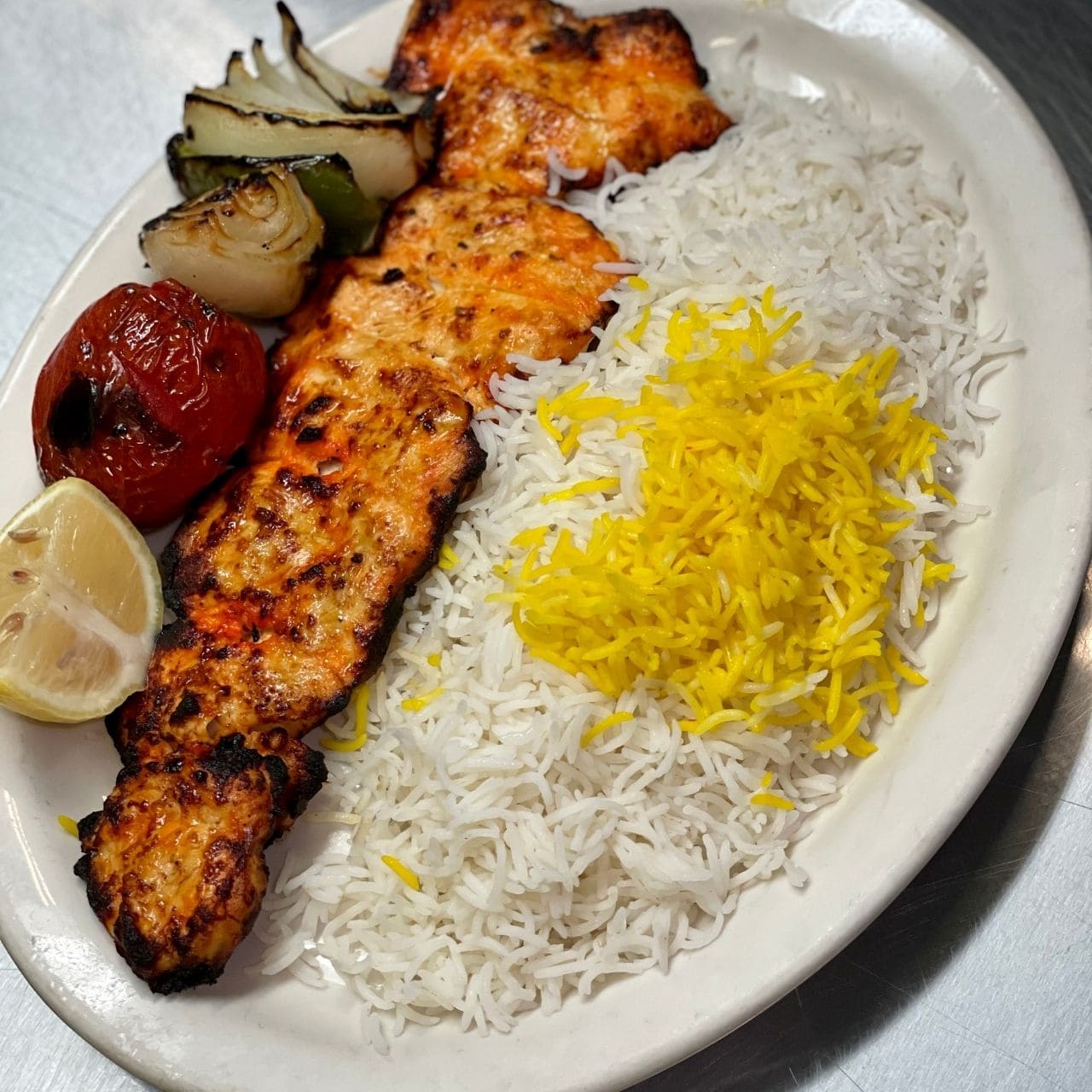
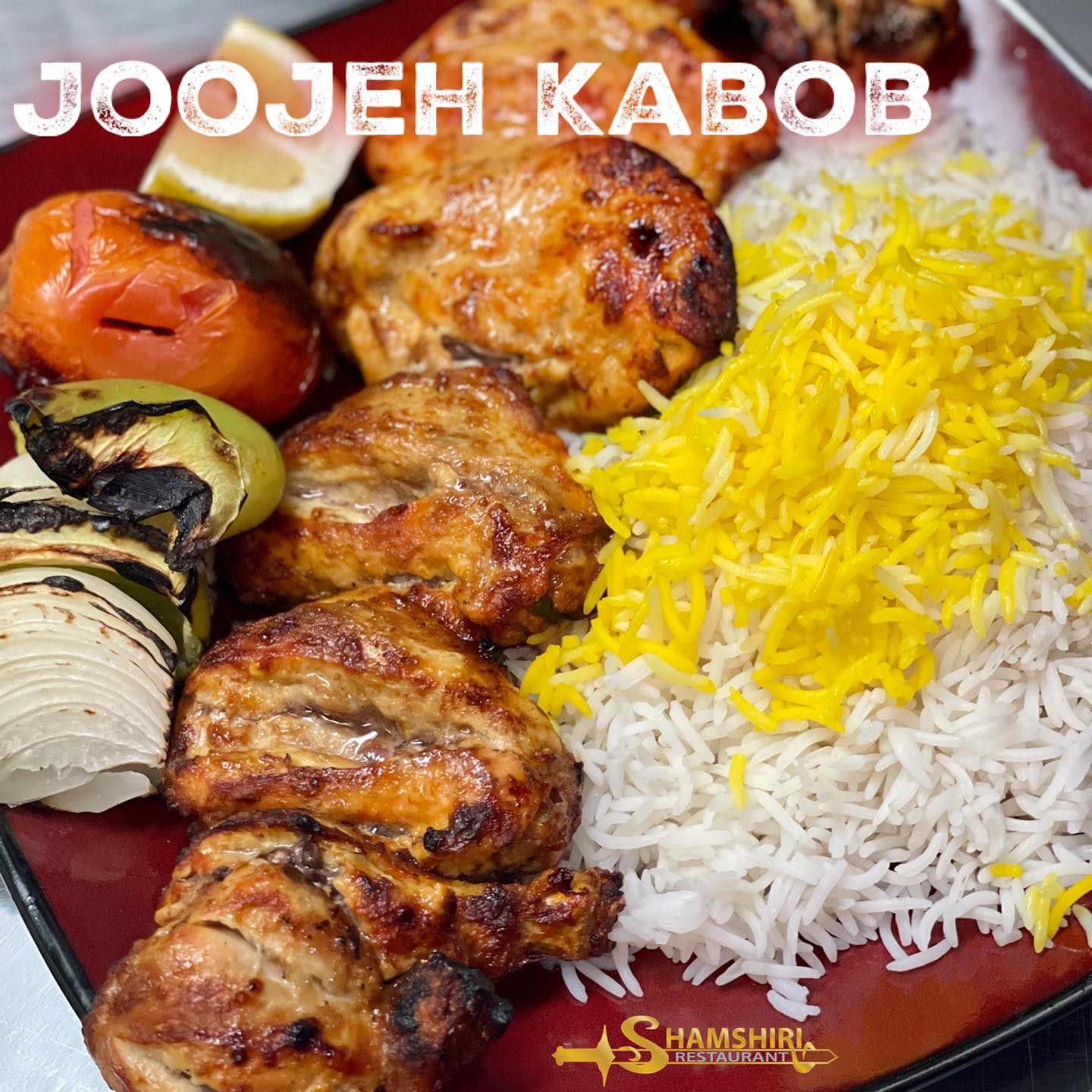
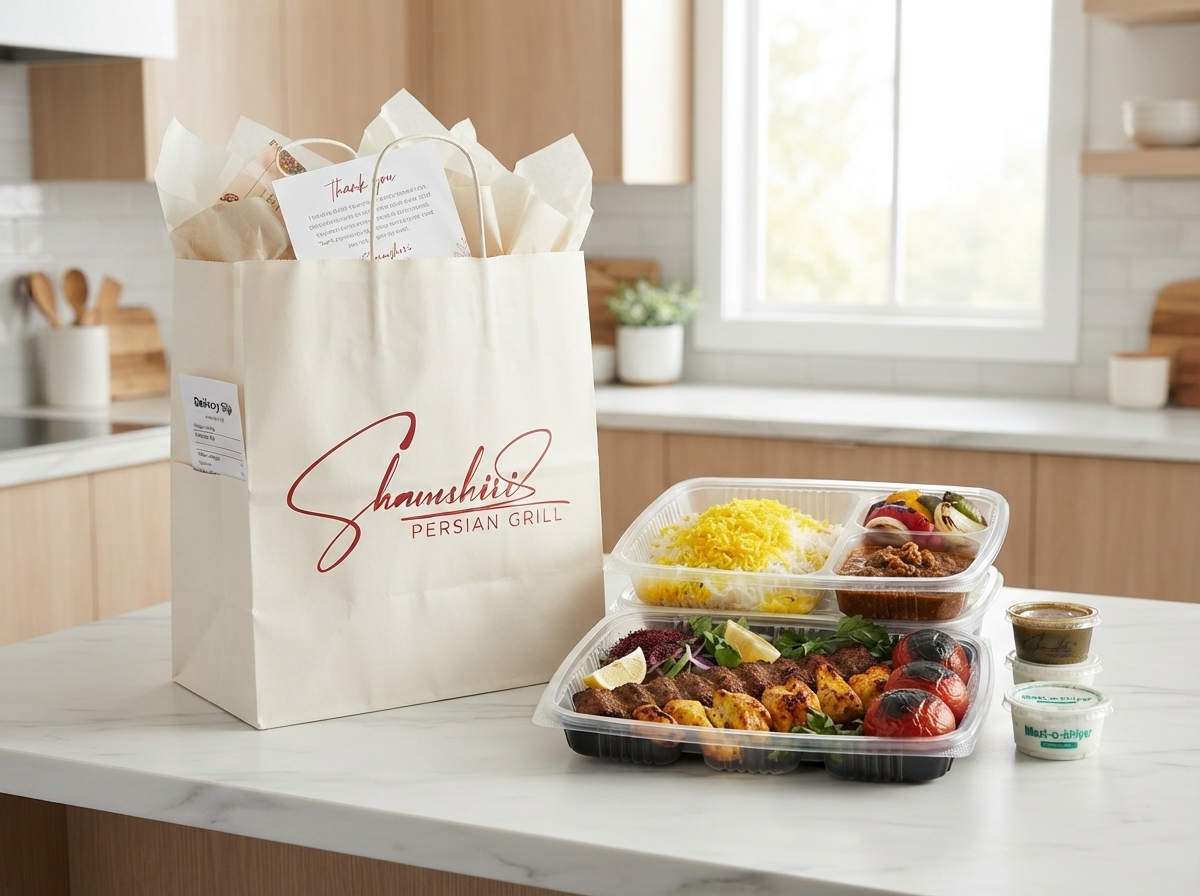
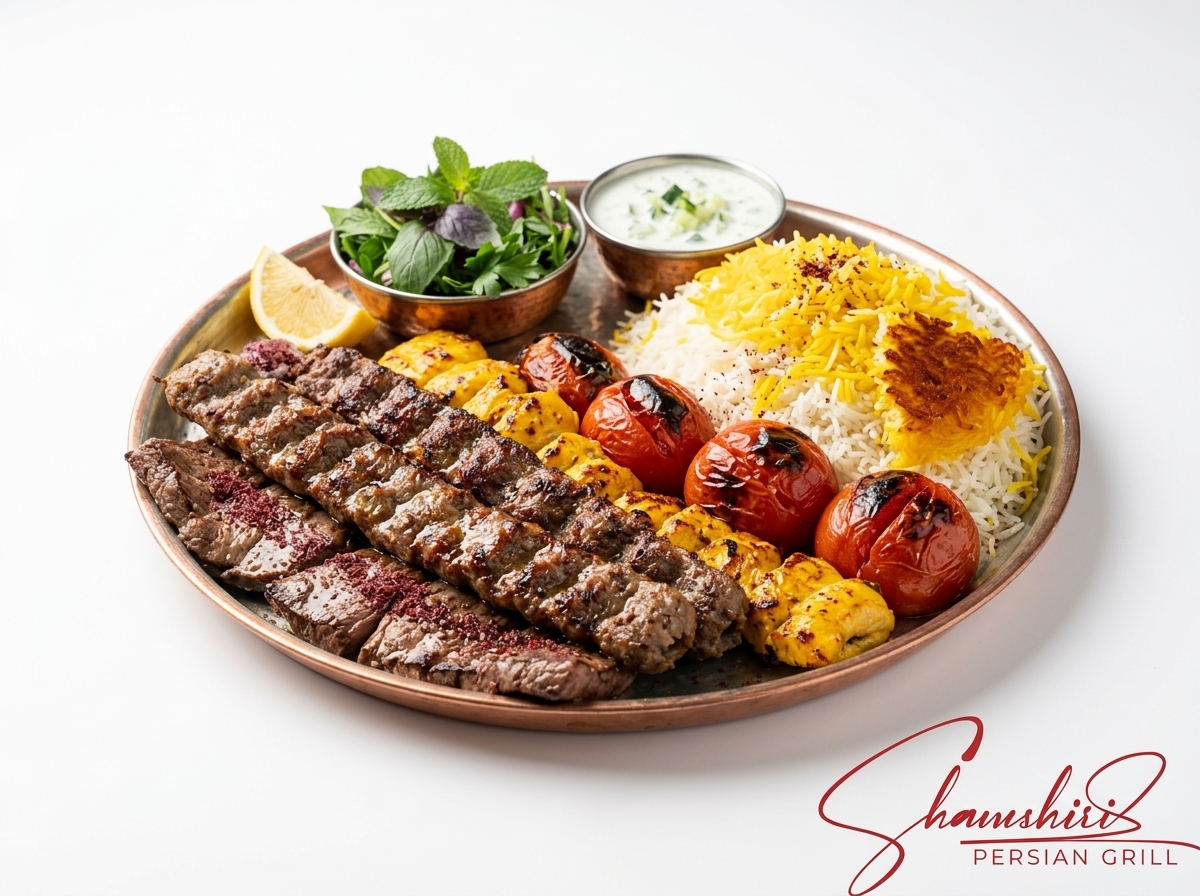
BBQ plates often lean into heavier sides — mac and cheese, cornbread, baked beans. A Persian grill plate leans lighter and brighter: saffron basmati rice, grilled tomatoes, fresh herbs, and a squeeze of lemon. It’s a different eating experience altogether, built around balance rather than richness stacked on richness.
Experience the Difference in Glendale
If you’re used to traditional BBQ, I’d genuinely encourage you to try a Persian grill plate side by side sometime — the contrast is part of what makes it interesting. You can see everything we grill on our Persian grill menu page, and pair it with dishes from our full Persian restaurant menu.
As Wikipedia’s entry on Iranian cuisine points out, Persian cooking traditions developed their own distinct grilling and seasoning methods separate from other regional styles — which is exactly what you’ll taste when you compare the two side by side.
Find us at 122 W Stocker St, Glendale, CA, or get directions through our Google Maps listing.
Frequently Asked Questions
Is Persian grill food spicy like some BBQ sauces?
No. Persian grill flavor comes from herbs, saffron, and citrus rather than heat or spicy sauces.
What’s the biggest difference between Persian grill and BBQ?
The main difference is technique — Persian grilling relies on marinade-built flavor and direct open-flame heat, while BBQ typically uses sauce and slower, indirect cooking.
Does Shamshiri use charcoal for its Persian grill?
Yes, all of our kabobs are grilled over open charcoal for authentic flavor and char.
Which is healthier, Persian grill or traditional BBQ?
Persian grill dishes tend to be lighter, relying on lean grilled meats, herbs, and rice rather than heavy sauces, though both styles can fit into a balanced diet.
Taste the Difference for Yourself
Words only go so far — the real way to understand a Persian grill is to try it. Visit us at Shamshiri Persian Grill in Glendale, CA, and taste what sets it apart.
📞 Call us at 818-246-9541 for reservations or questions before your visit.