If you ask any Persian cook what dish separates a real kitchen from a mediocre one, most will say the same thing: koobideh kabobs. It looks simple on the plate — just seasoned ground meat on a skewer — but the truth is, koobideh kabobs are one of the hardest dishes to actually get right, and Persians take that seriously.
I want to walk you through what makes this dish what it is, and why it carries so much weight in Persian cooking culture.
What Exactly Are Koobideh Kabobs?
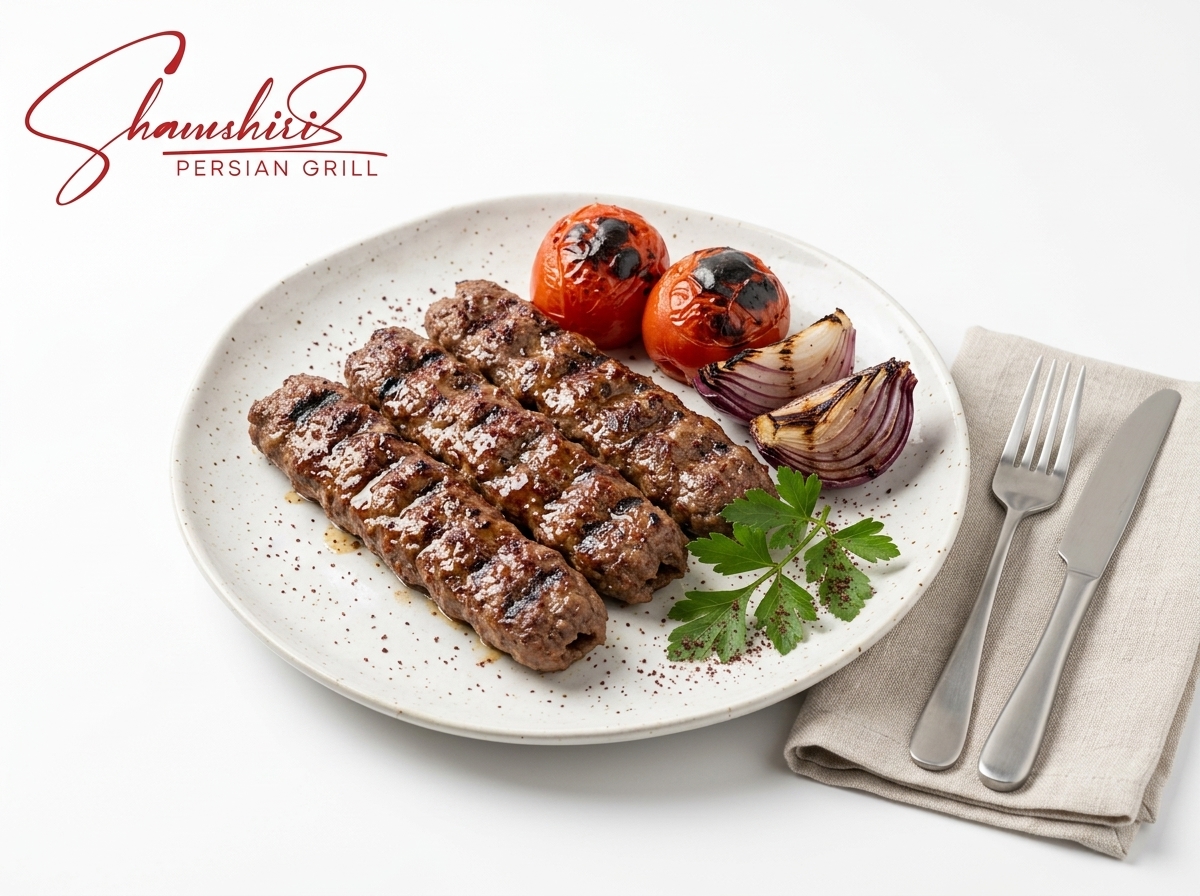
Koobideh kabobs are made from finely ground beef or lamb, seasoned with grated onion, sumac, and sometimes saffron, then hand-molded onto wide, flat skewers and grilled over open flame. There’s no filler, no binder, and no shortcuts — just seasoned meat, shaped by hand and cooked over real fire.
Where the Name Comes From
The word “koobideh” comes from the Persian root meaning “to pound” or “to strike.” Traditionally, the meat was pounded by hand on a flat stone before modern grinders existed, breaking down the fibers until the texture became soft and uniform. That history is still baked into the name, even though the tools have changed.
Why This “Simple” Dish Is Actually Difficult
Here’s the part most people don’t expect: koobideh kabobs are notoriously easy to get wrong. Too little fat, and the meat falls apart on the skewer. Too much, and it turns greasy on the grill. The seasoning has to be worked into the meat evenly, and the shaping has to be tight enough to survive the fire without a binder holding it together. It’s a dish that rewards years of practice, not a quick recipe.
Why Persians Judge a Kitchen by This Dish
Because koobideh kabobs look so straightforward, they’ve become something of a litmus test in Persian households and restaurants alike. If a kitchen can nail koobideh — juicy, tender, well-seasoned, holding its shape — it’s usually a good sign the rest of the menu is handled with the same care. It’s the dish with nowhere to hide.
How Koobideh Kabobs Are Traditionally Served
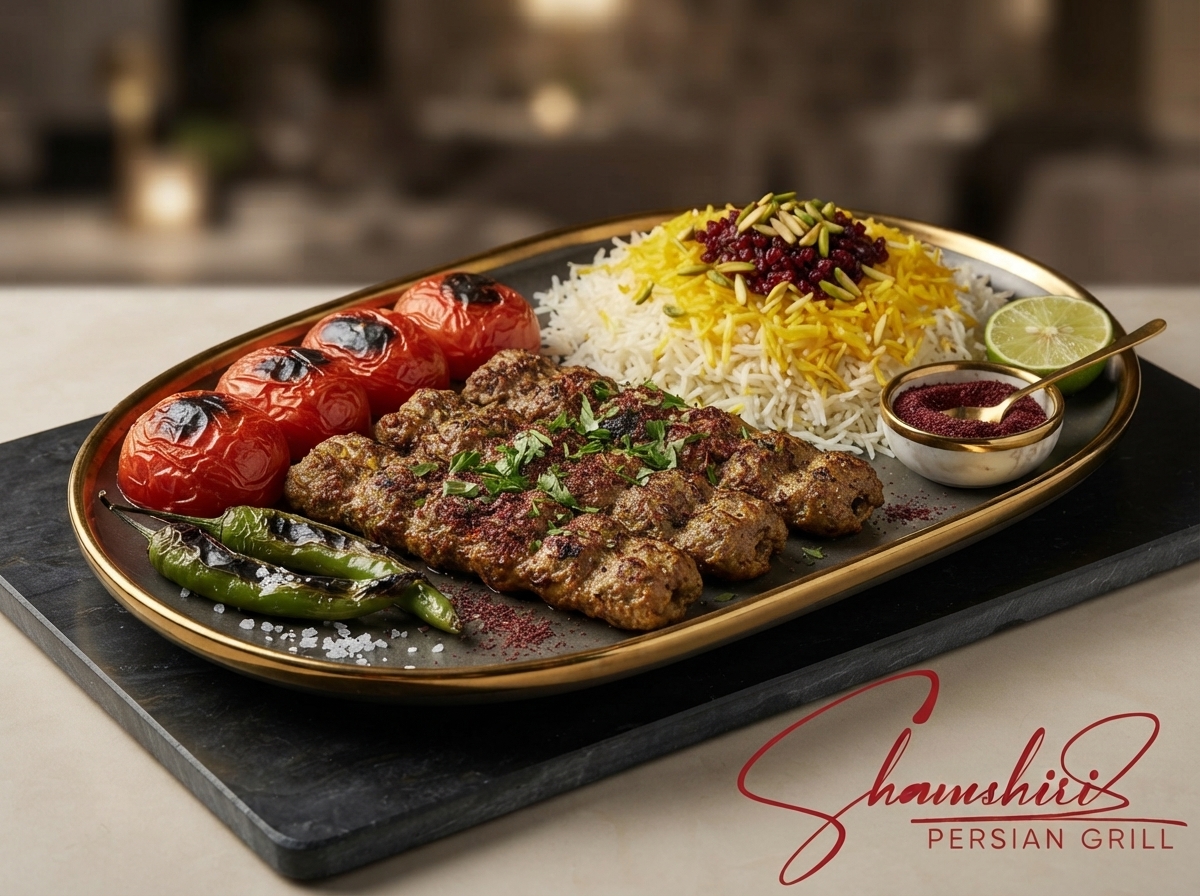
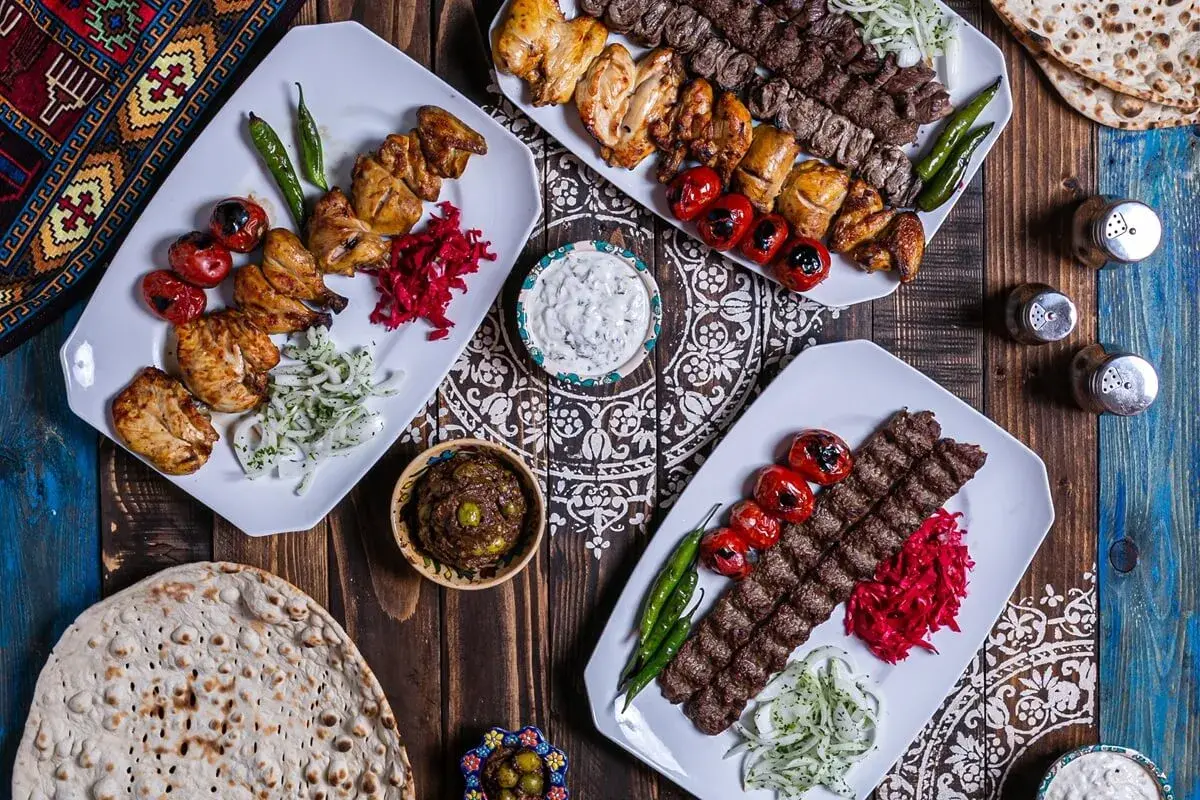
Koobideh kabobs are typically served with saffron basmati rice, a grilled tomato, and sometimes grilled peppers, finished with a squeeze of fresh lemon. It’s a balanced plate — smoky, savory meat against light, fragrant rice — and it’s meant to be eaten hot, straight off the grill.
Try Koobideh Kabobs in Glendale
At Shamshiri Persian Grill, koobideh kabobs are one of the dishes we take the most pride in getting right, using hand-shaping and open-flame grilling the traditional way. If you want the full breakdown of how we prepare ours, I go into more detail in how we perfected koobideh kabob in Glendale, or you can see it alongside everything else we grill on our Persian grill menu.
As this history of Persian food explains, rice and grilled meats have held a central place in Iranian cooking for centuries — and koobideh remains one of the clearest examples of that tradition still alive today.
You’ll find us at 122 W Stocker St, Glendale, CA — get directions through our Google Maps listing.
Frequently Asked Questions
What meat is used in koobideh kabobs?
Koobideh kabobs are traditionally made with ground beef or lamb, though beef is the most common choice.
Why are koobideh kabobs considered difficult to make?
The meat has to be seasoned and shaped by hand with the right fat ratio, so it holds together on the skewer without falling apart during grilling.
What is koobideh kabob traditionally served with?
It’s typically served with saffron basmati rice, grilled tomato, and sometimes grilled peppers.
Are koobideh kabobs halal at Shamshiri?
Yes, our koobideh and lamb selections are halal.
Taste the Real Thing
The best way to understand koobideh kabobs is to taste one made the right way. Visit us at Shamshiri Persian Grill in Glendale, CA.
📞 Call us at 818-246-9541 for reservations or to place an order.