Ask anyone who grew up eating Persian food what matters most on the plate, and many will point to the rice before the meat. If you’re new to this cuisine, that might sound backwards. But in my family, and in our dining room here in Glendale, rice is never just a side dish. It’s the center of the table, and everything else is built around it.
Over the years I’ve noticed that guests who understand the rice enjoy the whole meal more. So here are five things I’d tell you before your next visit.
1. Rice Is the Main Event, Not the Side
In many cuisines, rice fills the empty corner of the plate. In Persian food, it’s the opposite. The rice is prepared with real care, and the kabob or stew is chosen to go with it. When a Persian host serves a meal, the quality of the rice says a lot about the effort behind it. That’s why we treat it as seriously as the grill.
2. Saffron Gives It Color and Aroma
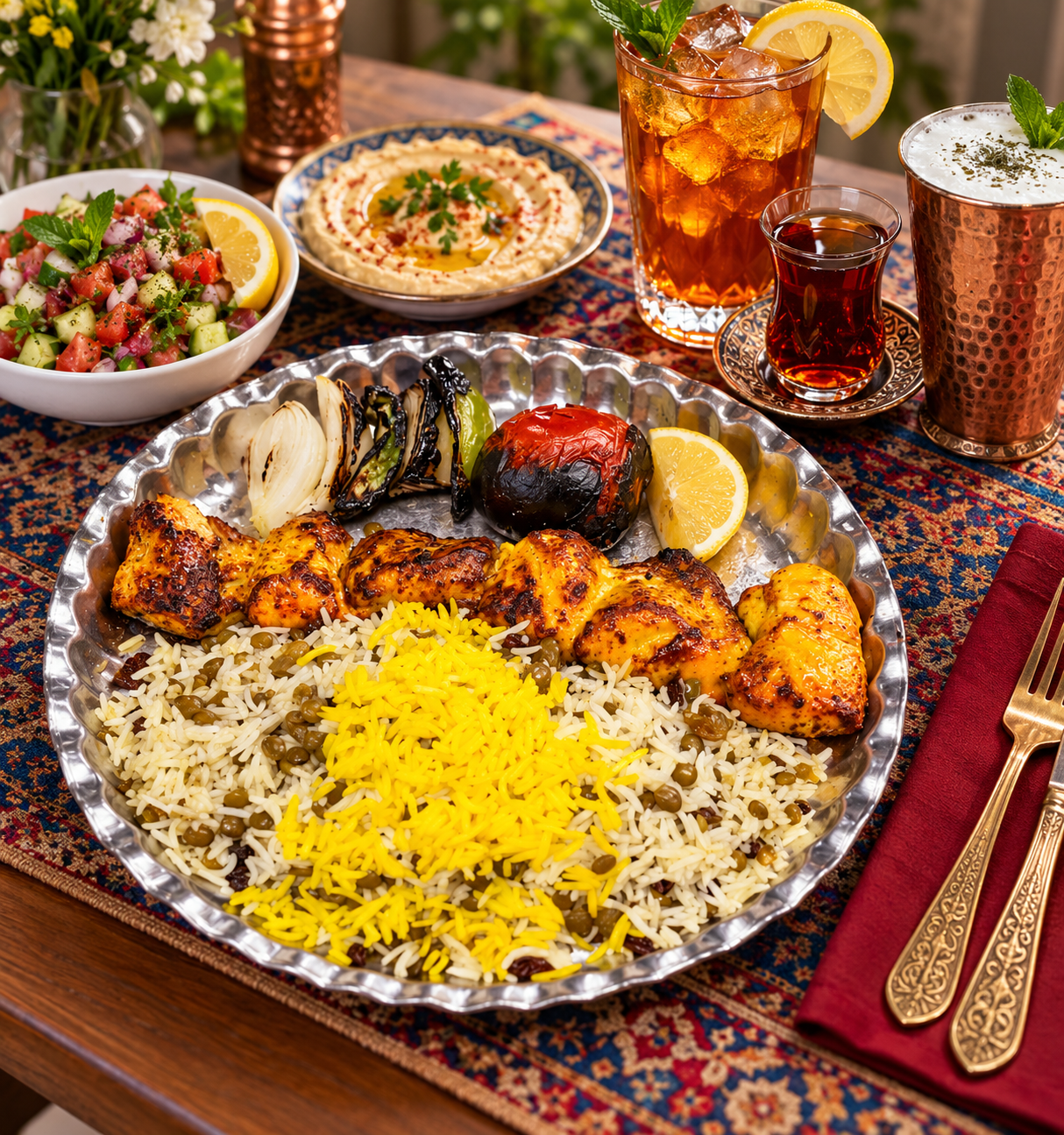
The golden color you see on Persian rice usually comes from saffron, one of the most prized spices in the world. A small amount goes a long way, adding a gentle floral aroma and a warm yellow-orange glow. It isn’t spicy or hot. It’s fragrant, and it’s one of the first things people notice when a plate arrives at the table.
3. Tahdig Is the Crispy Prize at the Bottom of the Pot
When Persian rice steams, the layer touching the bottom of the pot turns golden and crisp. That layer is called tahdig, which simply means “bottom of the pot,” and in many households people quietly compete for the last piece. It’s crunchy, savory, and completely different from the tender rice above it.
If you’re curious about tahdig, ask our team when you visit and we’ll tell you what’s available that day.
4. Persian Food Rice Is Light and Separate
Good Persian rice shouldn’t clump. The grains are typically rinsed, soaked, and then steamed so they come out long, tender, and separate from one another. It takes patience, and it’s hard to fake. When the texture is right, the rice feels almost weightless, which is why a generous portion never feels heavy.
5. Rice Is Built for Grilled Meats
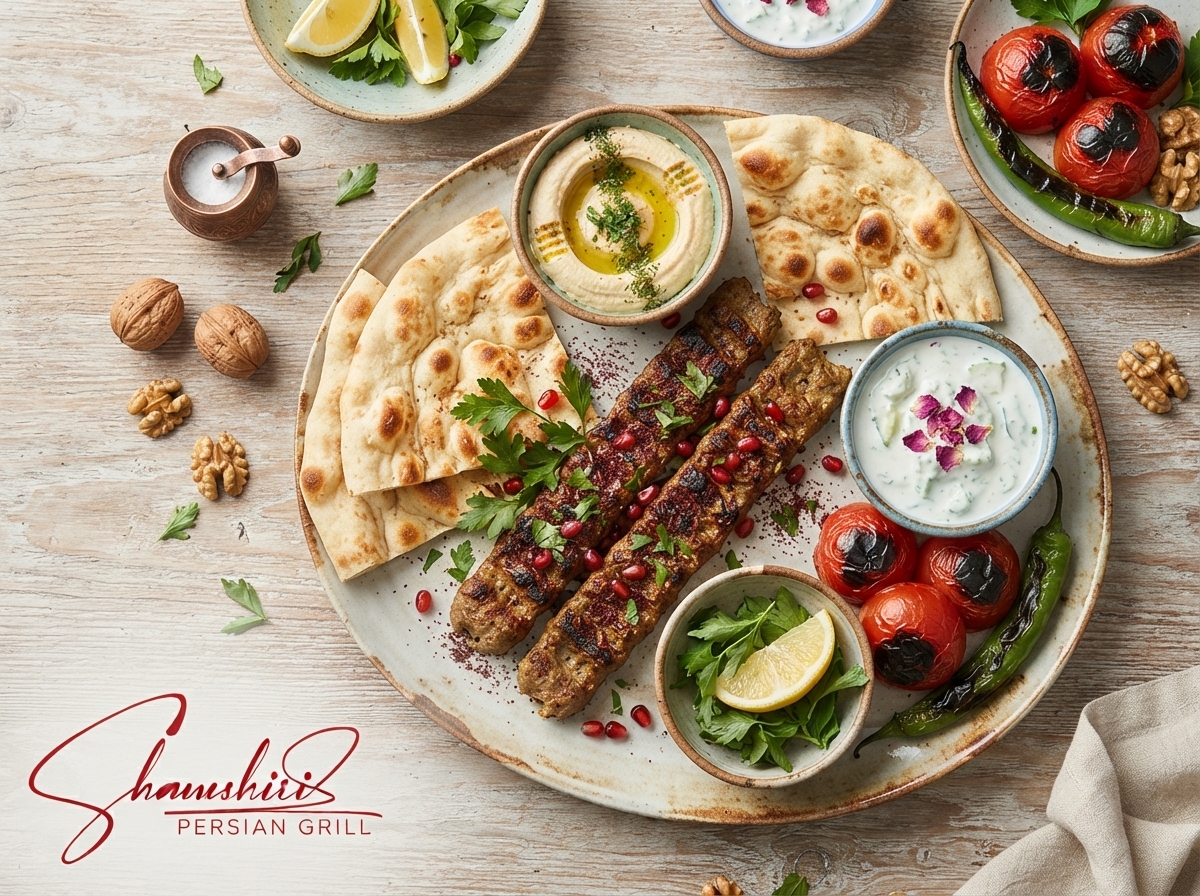
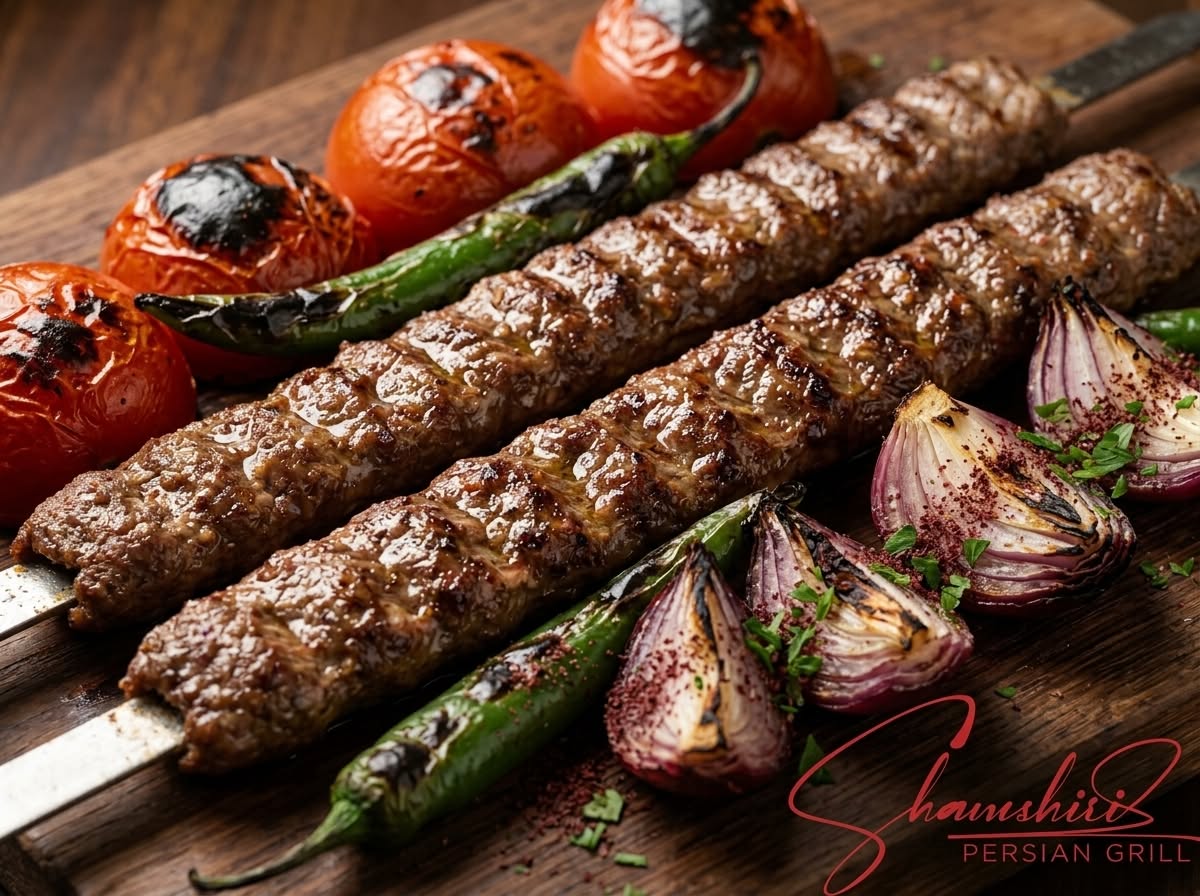
Saffron rice is the classic partner to kabobs. The smoky, savory flavor of grilled meat sits beautifully against light, fragrant rice, and a grilled tomato on the side adds a juicy contrast. Take koobideh, which is made with ground beef shaped by hand onto a flat skewer. Every bite of it gets better with a forkful of rice.
You can see what comes off our fire on our Persian grill page.
Try Persian Food in Glendale
Guests from Citrus Grove and Vineyard often tell me they came in curious about the rice and left talking about it. If you’d like to see the full range of dishes before you visit, our Persian food page lays it all out.
For a neutral look at the traditions behind all this, Britannica’s overview of Persian cuisine is a good read, and our Glendale page tells you more about where we are and who we serve.
Frequently Asked Questions
Why is rice so important in Persian food?
Rice is the foundation of the Persian meal. Kabobs and stews are typically served over or beside it, and the care put into the rice reflects the care put into the whole meal.
What is tahdig?
Tahdig is the golden, crispy layer of rice that forms at the bottom of the pot during steaming. The word means “bottom of the pot.”
Is Persian rice spicy?
No. Persian rice is fragrant rather than spicy, with saffron adding aroma and color.
Does Shamshiri serve saffron rice with its kabobs?
Yes, saffron rice is the classic pairing for our grilled kabobs, including koobideh. Ask our team about today’s options.
Come Taste It for Yourself
The best way to understand Persian food is to sit down with a plate of it. We’d love to have you.
Shamshiri Persian Grill Glendale
122 W Stocker St, Glendale, CA 91202
📞 818-246-9541
📍 Get directions on Google Maps