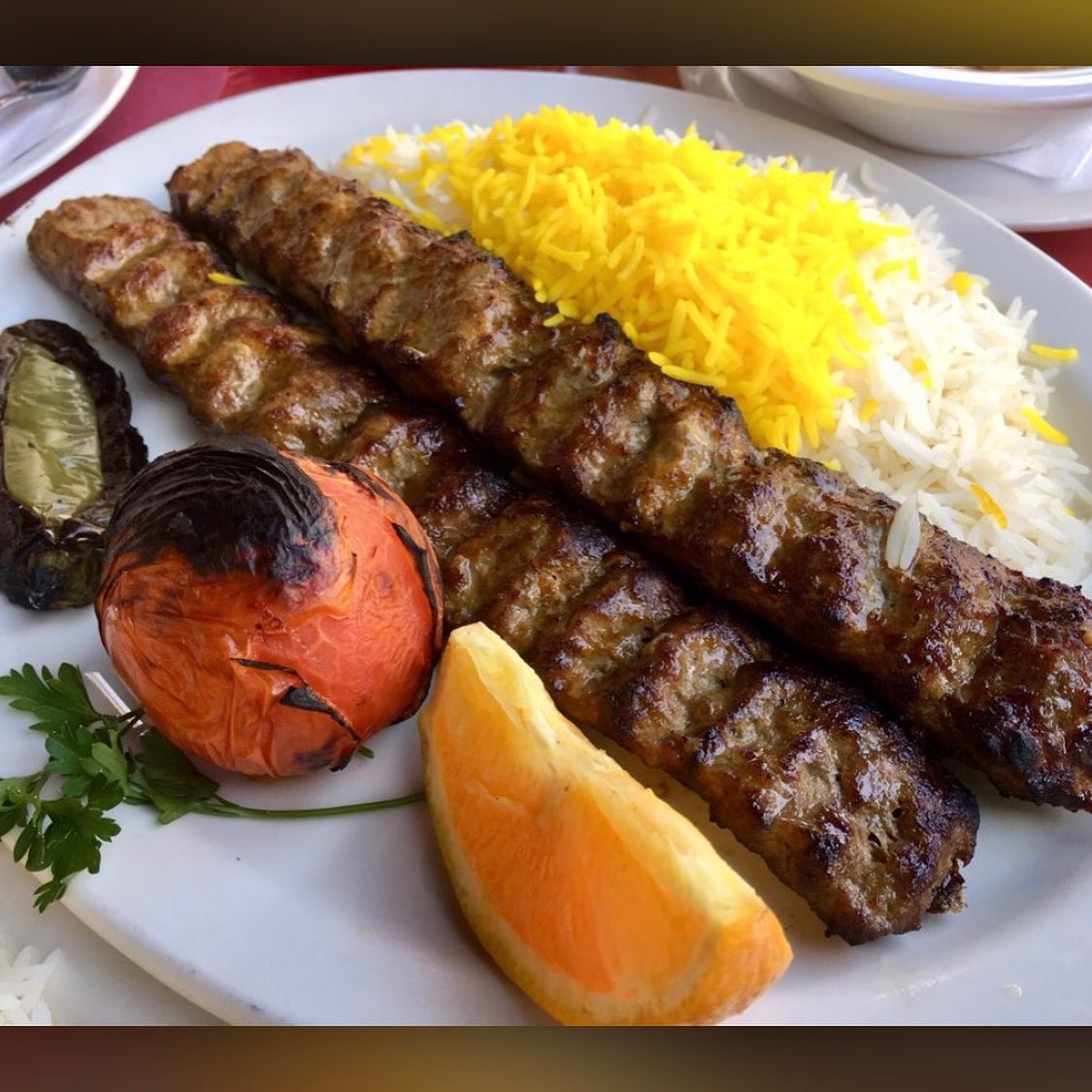
I’ll be honest: koobideh kabobs taste best the moment they come off the grill. But I also know that a generous Persian meal often leaves you with leftovers, and I’d much rather you enjoy them tomorrow than throw them away. After years of watching guests take home extra skewers, I’ve learned a few small habits that keep koobideh kabobs tender instead of dry. Here are four of them.
1. Store Them Properly Right Away
The first step happens before you ever reach for the stove. Once your meal is done, move the leftovers into an airtight container and refrigerate them soon after eating. General food safety guidance recommends not leaving cooked food out for long, so don’t let the skewers sit on the table all evening. Keep the rice in its own container, and keep any broiled tomato apart from the meat, so each part stays at its best.
2. Skip the Microwave When You Can
A microwave can turn a juicy kabob rubbery in less than a minute, because it heats unevenly and dries out the surface. If you have a few extra minutes, use a skillet over low to medium heat or a moderate oven instead. Gentle, steady heat warms the kabob all the way through without squeezing the moisture out of it.
3. Add a Little Moisture and Cover It
This is the trick that makes the biggest difference. Add a small splash of water to the skillet, or cover the kabobs with foil in the oven, so the steam keeps the meat tender while it warms. Ground meat like our koobideh, which is made with ground beef and onions, dries out easily, so a little moisture goes a long way. Heat until the kabob is steaming hot all the way through, and don’t leave it on the heat any longer than you need to.
4. Treat the Rice and Tomato Gently
Reheat the rice separately with a tablespoon or two of water, covered, so it softens and comes back to life. The broiled tomato only needs a short warm-up. When everything’s warm, put the plate back together the way you’d serve it fresh, with the kabob over or beside the rice. A squeeze of lemon or a bit of fresh salad on the side helps bring back that just-grilled brightness.
A Quick Note on Expectations
Reheated koobideh kabobs won’t be identical to fresh ones, and that’s okay. They’ll still be flavorful and satisfying, especially if you give them a gentle warm-up. And if you’d like the best version, the grill is always ready for you. You can see what we cook on our Persian grill page and browse everything on our menu page.
If you’d like to learn more about this dish and how we approach it, take a look at how Shamshiri perfected koobideh kabob in Glendale. For some background on the cuisine itself, Britannica’s overview of Persian cuisine is a good read.
Guests from Highland Park and across Glendale often tell me their leftover koobideh made a great lunch the next day. You can learn more about our home base on our Glendale page.
Frequently Asked Questions
How should I reheat koobideh kabobs?
Use a skillet on low to medium heat or a moderate oven, covered, with a splash of water, so the meat stays tender.
Can I use the microwave?
You can, but it often dries out ground meat. A skillet or oven gives better results.
How should I store leftover kabobs?
Refrigerate them in an airtight container soon after your meal, with the rice stored separately.
Is koobideh made with beef?
Yes. Our koobideh is made with ground beef and onions, skewered and broiled, and it’s halal.
Come Enjoy Them Fresh
Nothing beats a koobideh straight from the grill. We’d love to serve you one.
Shamshiri Persian Grill Glendale
122 W Stocker St, Glendale, CA 91202
📞 818-246-9541
📍 Get directions on Google Maps