Every March, something shifts in our kitchen. Orders change, requests get more specific, and guests start asking about dishes they associate with home rather than just the menu. That’s Nowruz season, the Persian New Year, and it’s probably the clearest example I can give you of how deeply Persian food is tied to culture, not just cuisine.
I wanted to walk you through what that connection actually looks like, because I think it explains a lot about why Persian food is prepared the way it is.
What Is Nowruz?
Nowruz marks the arrival of spring and the start of the new year in the Persian calendar. It’s celebrated by millions of people, not just in Iran but across the Persian diaspora, including right here in the Los Angeles area, home to one of the largest Persian communities in the country. Families gather, homes get a deep clean, and the table becomes the center of the celebration.
The Haft-Sin Table
One of the most recognizable Nowruz traditions is the Haft-Sin, a table set with seven symbolic items, each starting with the Persian letter “S,” representing things like rebirth, health, and prosperity. It’s not exactly a meal itself, but it sits alongside the food and sets the tone for the whole gathering.
What’s Actually Served
Sabzi Polo Mahi, herbed rice served with fish, is one of the most traditional Nowruz dishes, symbolizing renewal and freshness. Kuku Sabzi, a dense herb frittata, often makes an appearance too, packed with parsley, dill, and cilantro. These aren’t dishes chosen at random; the herbs themselves are meant to represent the arrival of spring.
Why Persian Food Leans on Symbolism
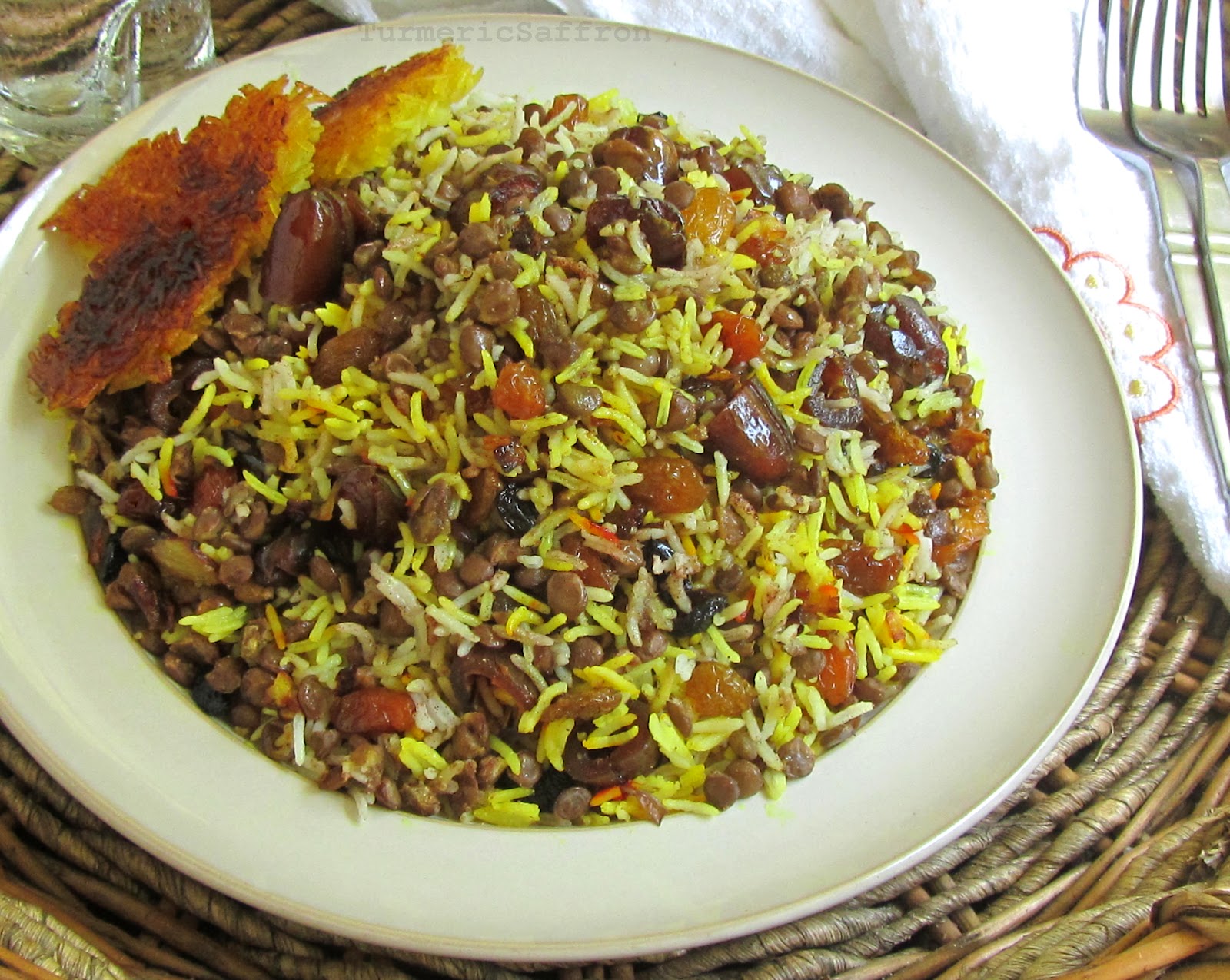
This is something that took me years to fully appreciate. In Persian food culture, ingredients often carry meaning beyond flavor — sweetness for a sweet year ahead, greens for renewal, gold-colored rice for prosperity. Even outside of Nowruz, that instinct toward meaning-through-food shows up in how Persian meals are put together for any celebration.
How We Approach It at Shamshiri
We don’t run a seasonal Nowruz-only menu, but the spirit of that tradition, freshness, herbs, generous shared plates, runs through everything we serve year-round. You can see that reflected across our full Persian restaurant menu, and if you want to know more about where our approach to Persian cooking comes from, our About page shares a bit of that story.
We’ve had guests from as far as Toluca Lake and Studio City come in specifically around Nowruz season looking for that herb-forward, celebratory style of cooking, and it’s one of my favorite times of year to be in the kitchen.
As Wikipedia’s entry on Iranian cuisine notes, food in Persian culture has long carried symbolic and seasonal meaning far beyond simple nourishment — something you can still see clearly at any Nowruz table today.
Frequently Asked Questions
What is Nowruz?
Nowruz is the Persian New Year, celebrated at the start of spring and marked by family gatherings, symbolic traditions, and specific festive dishes.
What food is traditionally eaten at Nowruz?
Sabzi Polo Mahi (herbed rice with fish) and Kuku Sabzi (herb frittata) are among the most iconic Nowruz dishes.
Does Shamshiri offer Nowruz-specific dishes?
We don’t run a separate seasonal menu, but the herb-forward, celebratory style of Nowruz cooking is reflected in our everyday menu.
Why do Persian dishes often carry symbolic meaning?
Persian food culture has long used specific ingredients to represent concepts like renewal, prosperity, and health, especially around celebrations.
Bring the Celebration to Our Table
Whether it’s Nowruz season or an ordinary Tuesday, we’d love to share a taste of that tradition with you. Visit Shamshiri Persian Grill at 122 W Stocker St, Glendale, CA 91202, call 818-246-9541, or get directions here: Shamshiri Persian Grill on Google Maps.