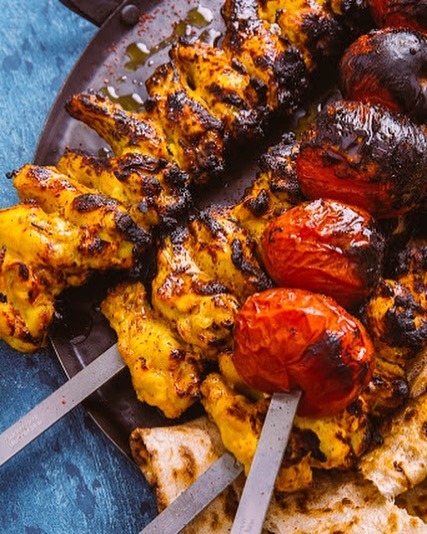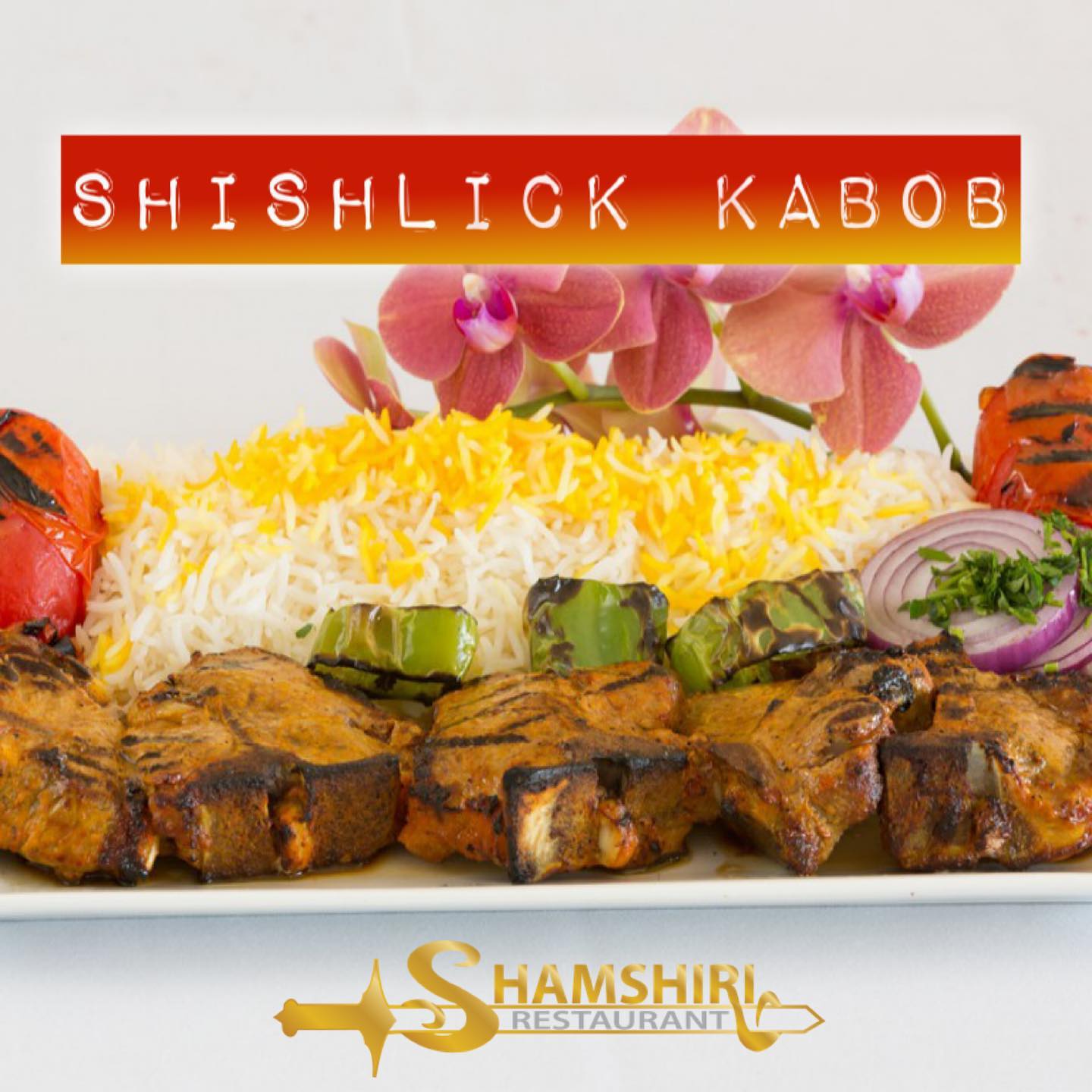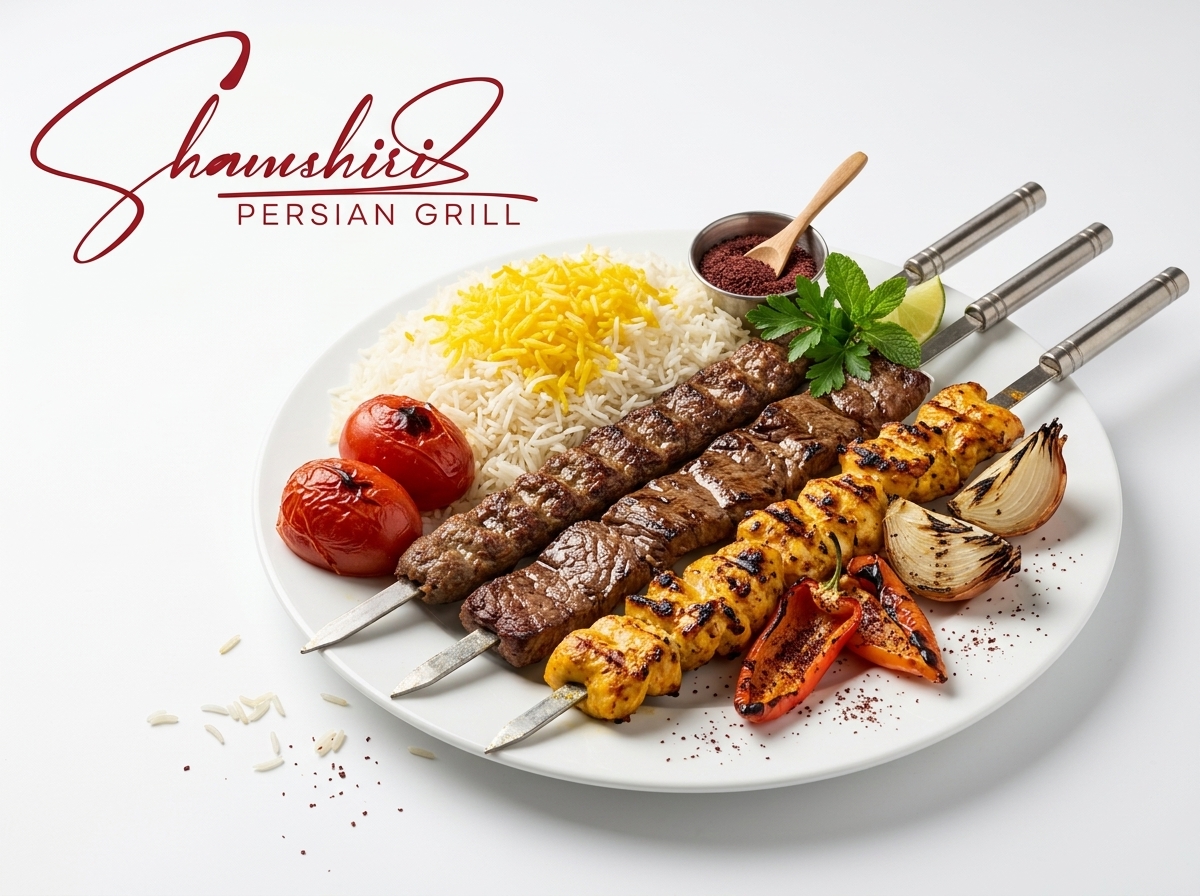
People assume grilling is grilling — meat, fire, done. But if you’ve ever stood behind a real Persian grill the way I have for years, you know there’s a whole method to it that most backyard barbecues never touch. It’s not about high heat and speed. It’s about patience, precision, and a handful of techniques that get passed down rather than written in a cookbook.
Here are five things that happen behind our grill every single day that I think most guests never realize.
1. The Marinade Does More Than Season
A good Persian grill starts long before the meat touches fire. Saffron, lemon, grated onion — these aren’t just flavor additions, they actually work to tenderize the meat over several hours. Skip this step, or rush it, and you’ll notice the difference immediately in the texture.
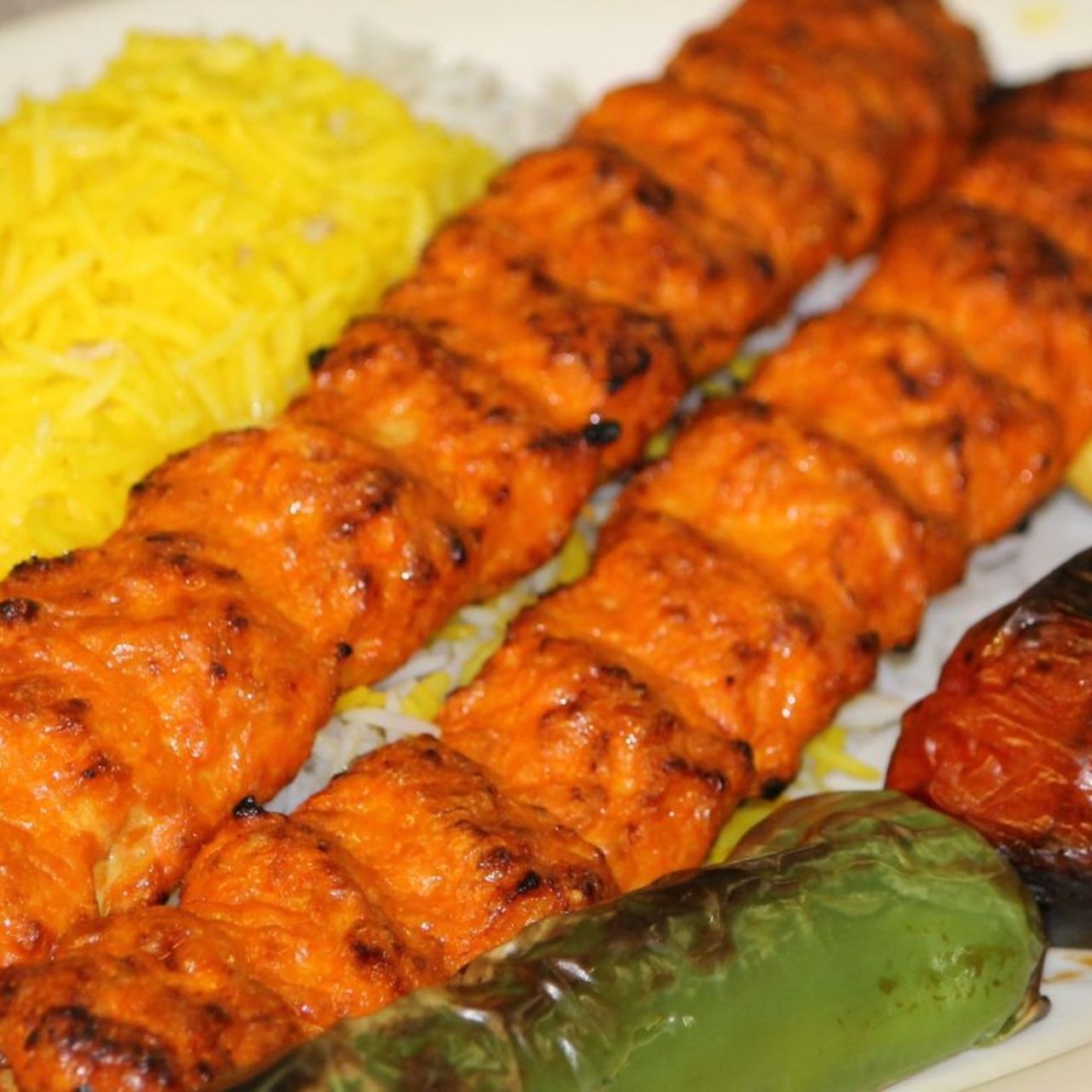
2. Koobideh Is Shaped by Hand, Not Machine
Anyone can push ground meat through a mold. Shaping koobideh by hand onto a flat skewer is a different skill entirely — it has to hold together on the grill without a binder, which means getting the fat ratio and the pressure just right. It’s one of those things you can only really learn by doing it wrong a few times first.
If you want to go deeper on this dish specifically, I wrote more about it in how we perfect koobideh kabob in Glendale.
3. Open Charcoal, Not Gas
This is probably the single biggest difference between a real Persian grill and a standard barbecue setup. Charcoal gives you smoke, char, and a kind of heat that gas just can’t replicate. It also means someone has to actually manage the fire throughout service, not just flip a switch.
4. Distance from the Flame Matters
Too close, and the outside burns before the inside cooks. Too far, and you lose the char that makes Persian grilling what it is. Finding that exact distance — and adjusting it as the coals burn down — is something our grill cooks are constantly reading and reacting to, skewer by skewer.
5. The Meat Rests Before It Reaches the Table
Pulling meat straight off the grill and onto a plate is a mistake. Letting it rest for even a couple of minutes allows the juices to settle back into the meat instead of running out onto the plate. It’s a small step, but it’s the difference between a kabob that’s dry and one that’s genuinely juicy.
Taste It Yourself in Glendale
None of this is complicated, but it does take attention — and honestly, that attention is what a real Persian grill is all about. You can see our full lineup of grilled dishes on our Persian grill menu page, or come watch it happen in person at our location in Glendale.
As this overview of Iranian cuisine explains, Persian cooking has always leaned on technique and patience rather than shortcuts — and that’s exactly the philosophy behind every skewer that comes off our grill.
You can find us at 122 W Stocker St, Glendale, CA — get directions anytime through our Google Maps listing.
Frequently Asked Questions
What makes a Persian grill different from regular BBQ?
A Persian grill relies on saffron-and-lemon marinades, hand-shaped skewers, and open charcoal fire — techniques focused on tenderness and smoky flavor rather than speed.
Why is charcoal used instead of gas?
Charcoal produces the smoke and high, direct heat needed to properly char Persian kabobs, something gas grills struggle to replicate.
Does Shamshiri grill kabobs fresh to order?
Yes, every kabob is grilled to order over open flame, never pre-cooked and reheated.
Can I request a specific kabob preparation?
Absolutely — just let our staff know your preference and we’ll do our best to accommodate it.
Come Watch the Fire Work
The best way to understand a Persian grill is to see it for yourself. Visit Shamshiri Persian Grill in Glendale, CA, and taste what real open-flame cooking is supposed to be.
📞 Call us at 818-246-9541 for reservations, large group orders, or any questions before you stop by.