When you think of Persian food, you are not just imagining a meal; you are envisioning thousands of years of culinary history. Persian cuisine is one of the oldest and most influential in the world, renowned for its delicate balance of flavors, aromatic use of saffron, and the mastery of the open-flame grill. For those in Glendale and the surrounding 10-mile radius, finding an authentic experience means looking for a kitchen that respects these ancient traditions while using the freshest modern ingredients.
In this guide, we will explore the soul of Persian cuisine, from the secrets of the perfect basmati rice to the smoky allure of the grill, and why this food continues to captivate food lovers across Southern California.
What Defines Authentic Persian Food?
The hallmark of Persian food is balance. Unlike some cuisines that rely on heavy spice heat, Persian dishes focus on “tempered” flavors—sweet vs. sour, and “hot” vs. “cold” ingredients. This is achieved through the use of unique pantry staples like dried limes (limoo amani), pomegranate molasses, sumac, and, most importantly, high-grade saffron.
The Role of Saffron and Aromatics
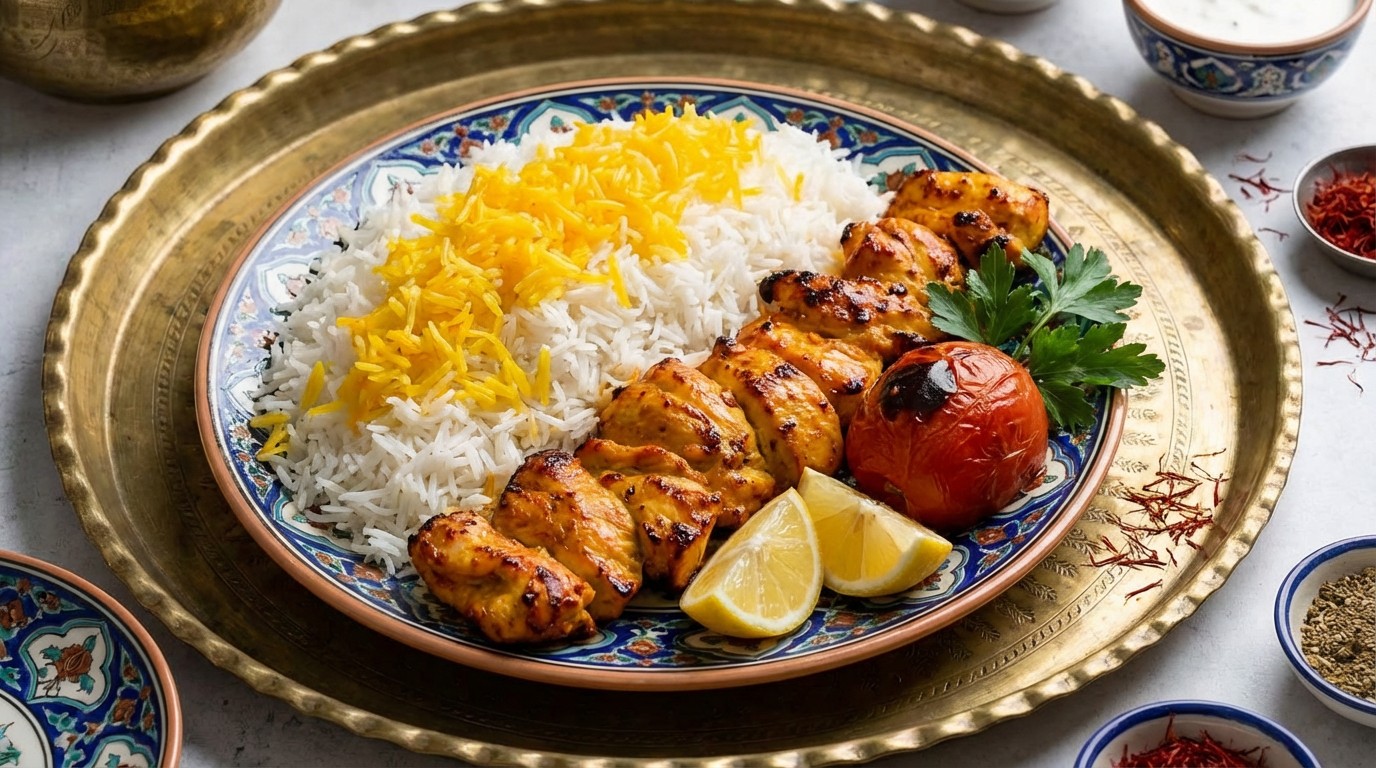
Saffron is the crown jewel of the Persian pantry. It provides the signature golden hue to the rice and a floral, earthy aroma to stews and marinades. When you visit a premier Persian restaurant, you should be able to smell the saffron the moment you walk through the door. It is often paired with rosewater and cardamom in desserts, or with lemon and onion as a marinade for succulent poultry.
The Art of Persian Rice
In many cultures, rice is a side dish. In Persian cuisine, rice is the main event. Known as Chelo, the perfect Persian rice must be fluffy, with every grain separated. The ultimate prize at any Persian table is the Tahdig—the golden, crunchy crust that forms at the bottom of the pot. Whether made with bread, sliced potatoes, or just yogurt and saffron rice, Tahdig is the most sought-after part of the meal.
Exploring the Persian Grill: Kabobs and More
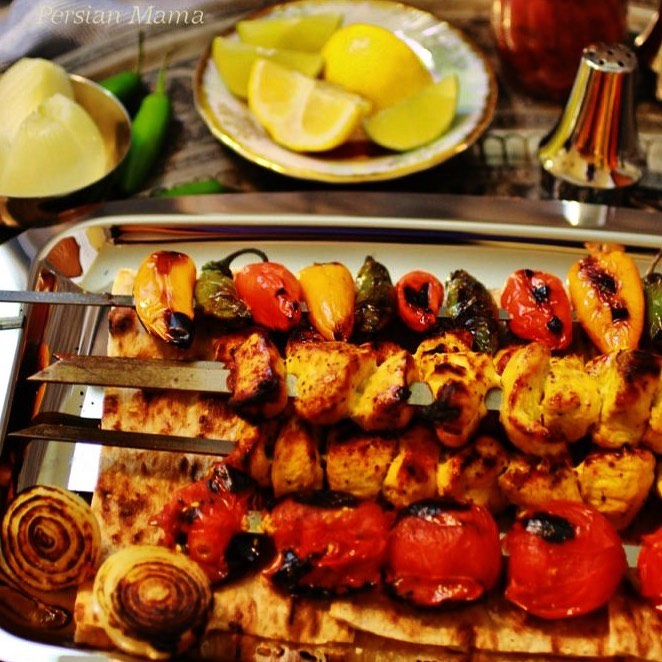
For many, the first introduction to this culinary world is through a kabob restaurant. The grill, or “mangal,” is where the magic happens. High-quality meats are skewered and cooked over open flames, ensuring a smoky exterior and a juicy, tender interior.
The Iconic Koobideh Kabobs
If there is one dish that defines the Persian grill, it is Koobideh Kabobs. These are made from high-quality ground beef or lamb, minced with onions and specific seasonings, then molded by hand onto wide flat skewers. Achieving the perfect consistency—where the meat is juicy enough to melt in your mouth but firm enough to stay on the skewer—is the mark of a master chef.
Filet Mignon and Chicken Delicacies
Beyond Koobideh, the menu at a top-tier Persian restaurant will feature:
- Barg: Thinly sliced, marinated filet mignon that defines tenderness.
- Joojeh: Chicken (bone-in or boneless) marinated in saffron and lemon, offering a bright and savory profile.
- Shishlik: Succulent lamb chops that provide a rich, hearty experience for meat enthusiasts.
Beyond the Grill: Stews and Freshness
While the grill gets much of the fame, the “soul” of the home is found in Khoresht (stews). These dishes are slow-cooked for hours to allow the flavors to marry perfectly.
Ghormeh Sabzi: The National Dish
You cannot claim to have experienced Persian food without tasting Ghormeh Sabzi. This green herb stew is a complex blend of sautéed parsley, leeks, and cilantro, cooked with kidney beans, tender beef, and dried limes. The result is a savory, slightly tart flavor profile that is unlike anything else in world cuisine.
Fesenjan and Gheimeh
Other essential stews include Fesenjan, a rich, nutty, and tart masterpiece made with ground walnuts and pomegranate molasses, and Gheimeh, a split-yellow pea stew topped with crispy matchstick fries.
Why Persian Food Delivery is Growing in Glendale
In today’s fast-paced world, the demand for Persian food delivery has skyrocketed. People realize that you don’t always need to sit in a dining room to enjoy a high-quality, nutritious meal. Persian dishes travel remarkably well; the stews actually deepen in flavor over time, and the kabobs retain their heat when packaged correctly with fresh lavash bread.
Whether you are hosting a family gathering or just want a healthy, protein-rich dinner after work, opting for delivery allows you to enjoy world-class Persian cuisine from the comfort of your home.
Frequently Asked Questions About Persian Cuisine
Q: Is Persian food spicy? A: No, it is flavorful but not “hot” spicy. It uses aromatic spices like saffron, turmeric, and cinnamon, focusing on herbal and citrus notes rather than chili heat.
Q: What is the difference between Persian and Mediterranean food? A: While they share ingredients like olive oil and lemons, Persian food is distinct for its focus on complex stews, specific rice-cooking techniques (Tahdig), and the heavy use of saffron and dried limes.
Q: What are the healthiest options at a Persian restaurant? A: Kabobs like Joojeh (chicken) or Salmon, paired with a fresh Shirazi salad (cucumber, tomato, and onion) and a small portion of basmati rice, make for an incredibly balanced, high-protein, and low-fat meal.
Q: What is the best way to eat Koobideh Kabobs? A: Traditionally, it is eaten by pulling the meat off the skewer onto a bed of rice, topping it with a pat of butter, and sprinkling it with sumac—a tart, red berry powder that aids digestion and enhances the flavor of the meat.
Visit the Best Persian Restaurant in Glendale
If you are looking for an authentic experience that honors these traditions, look no further. We pride ourselves on being the premier destination for anyone searching for a kabob restaurant that doesn’t cut corners. From our hand-pressed Koobideh to our slow-simmered stews, every plate is a tribute to our heritage.
Shamshiri Persian Grill
122 West Stocker Street, Glendale, CA 91202
Phone: (818) 246-9541