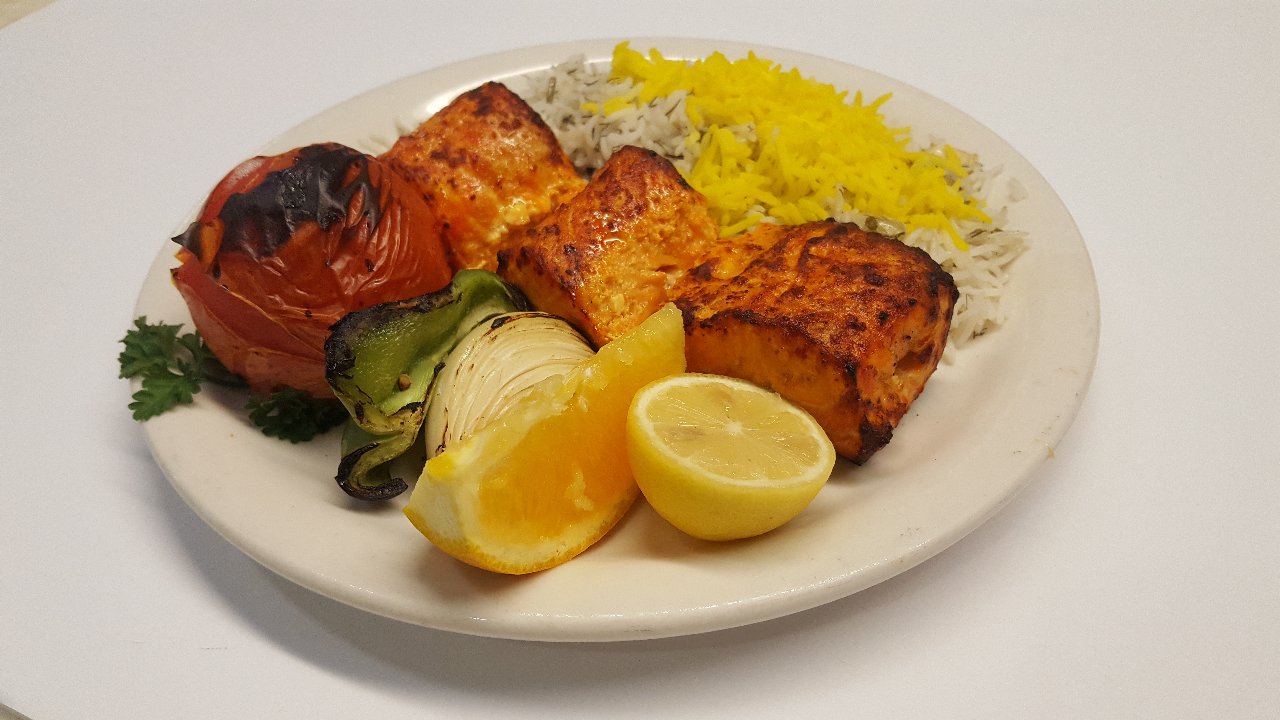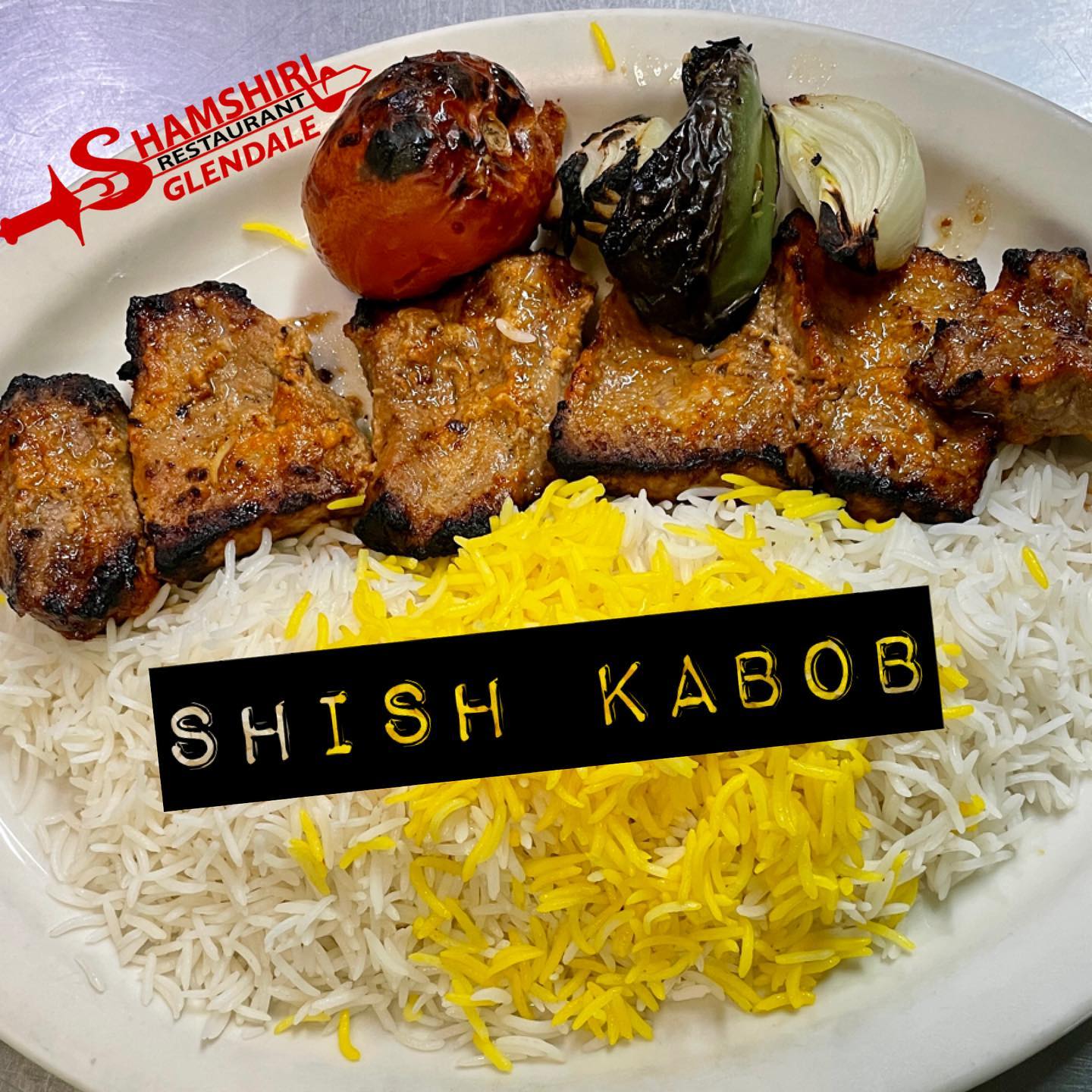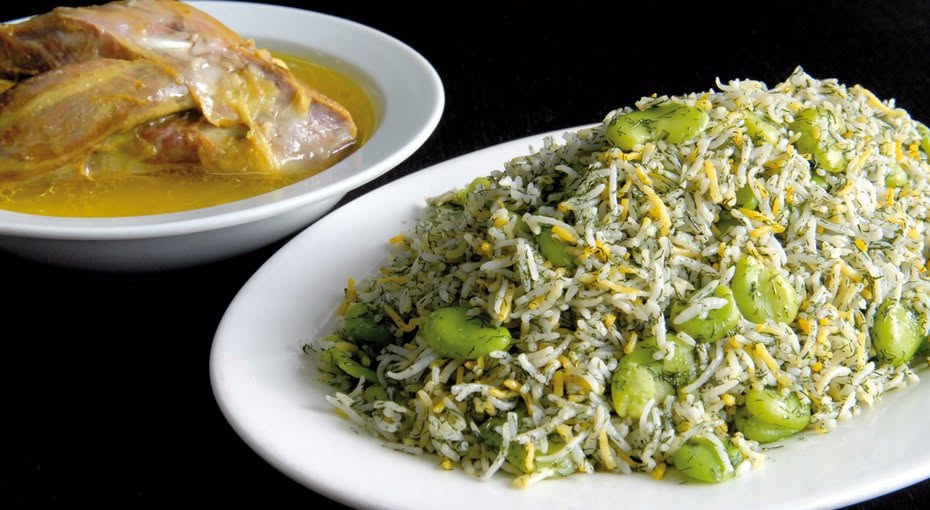
When people search for a spectacular Persian restaurant online, their initial motivation is almost always driven by a physical craving. They are looking for the comforting aroma of saffron-infused basmati rice, the savory pull of slow-simmered herb stews, or the perfect, smoky char of premium cuts fresh from an open flame. However, what turns a first-time guest into a lifelong regular is something that cannot be captured on a menu or cooked in a pan. The true defining marker of a world-class dining experience is an invisible, centuries-old philosophy of radical generosity and deep-seated respect that begins the very moment you step through the front doors.
In Western dining culture, great service is often measured by technical efficiency—how quickly a water glass is refilled or how promptly the check arrives. But inside a traditional Persian home or a dedicated family-owned establishment, hospitality is treated as a sacred cultural duty. At Shamshiri Persian Grill in Glendale, this welcoming spirit is woven directly into the fabric of our daily service. To understand why a premier Middle Eastern kitchen feels so fundamentally different from a standard corporate eatery, one must look past the grill grates and explore the deeply ingrained traditions that shape our neighborhood dining room.
The Cultural Phenomenon of Ta’arof: The Art of Absolute Respect
To understand the soul of an authentic Persian restaurant, you must first understand a foundational cultural practice known as Ta’arof. This complex system of cultural etiquette governs everything from social interactions to business dealings, but it finds its most vibrant expression around the dinner table. At its core, Ta’arof is a beautiful dance of extreme politeness, humility, and prioritizing the comfort of your guest entirely above your own.
When applied to a modern hospitality setting, Ta’arof transforms a routine meal into an honorable hosting event. It dictates that a guest should never feel rushed, neglected, or viewed merely as a transaction. Instead, our service staff is trained to treat every table as if they were welcoming an honored dignitary into their personal living room. This cultural secret shows up in subtle, impactful ways:
- Anticipatory Care: Plates are arranged deliberately, sharing utensils are offered automatically, and adjustments to dishes are handled with genuine enthusiasm rather than reluctance.
- The Reassurance of Abundance: A host practicing true hospitality worries constantly about a guest leaving hungry. Portions are served with natural generosity, ensuring that tables are filled with a colorful bounty of colors and textures.
- Sincere Warmth: The interactions are grounded in a desire to build a community relationship, making local diners feel deeply connected to the family behind the counter.
The Design of Comfort: Creating an Oasis for Lingerers
Step away from the fast-paced rush of the city and into a space designed specifically for connection. Traditional Persian dining is never intended to be an administrative, in-and-out affair. Historically, meals were communal gatherings where family, neighbors, and passing travelers would sit together for hours to share stories, debate poetry, and enjoy continuous rounds of hot refreshments.
To foster this specific atmosphere, a great Persian restaurant focuses heavily on creating a physically comforting environment. Our heated outdoor patio serves as a local sanctuary where the ambiance encourages guests to slow down, relax, and let the evening unfold naturally. Comfortable seating, soft lighting, and an layout optimized for large family-style platters create a setting where the physical environment perfectly matches the unhurried pacing of the kitchen. When a dining room feels less like a commercial establishment and more like a private neighborhood courtyard, the entire flavor profile of the meal is elevated.
The Ritual of Tea and Sweets: The Ultimate Sign-Off
In many dining establishments, the conclusion of a meal is marked by a prompt drop of the bill—a subtle hint that it is time to clear the table for the next party. In our tradition, the end of the savory courses marks the beginning of the most critical hospitality ritual of the night: the presentation of hot black tea (Chai) and traditional sweets.
A server who understands the true secrets of hospitality will never let a meal end abruptly. Instead, guests are presented with a steaming glass of loose-leaf Ceylon or Assam tea, beautifully tinted a rich amber hue and infused gently with aromatic cardamom pods. Served in clear glasses so diners can appreciate the clarity and color, the tea is traditionally accompanied by premium saffron-infused rock candy (Nabat) or a delicate dish of Bastani (traditional ice cream perfumed with rosewater, saffron, and bits of frozen heavy cream). This closing ritual is a vital hospitality secret; it acts as a physical bridge that transitions the evening from a simple dinner into a memorable, shared social experience.
Frequently Asked Questions (Q&A)
What exactly is Ta’arof, and how does it affect my dining experience?
Ta’arof is the traditional Persian system of cultural etiquette centered on extreme politeness, respect, and mutual deference. In our dining room, it manifests as a deep commitment to making you feel honored, entirely unrushed, and thoroughly cared for, ensuring your comfort is always the kitchen and service staff’s highest priority.
Why are the portions at a Persian restaurant typically so large?
In Persian culture, food is synonymous with love, celebration, and safety. A great host believes that a table should always showcase an abundance of nourishment. Serving generous portions ensures that food can be shared family-style across the table and that no guest ever leaves a gathering feeling unsatisfied.
Is it considered rude to sit and talk for a long time after finishing my meal?
Not at all! In fact, it is highly encouraged. Our dining spaces, especially our comfortable heated outdoor patio, are designed precisely for long, unhurried conversations. True Mediterranean hospitality embraces the idea that a restaurant should serve as a relaxing community hub where memories are made over hours, not minutes.
What is traditional Persian tea, and how is it properly enjoyed?
Our traditional tea is a fragrant, high-quality black tea slow-brewed with crushed cardamom pods. It is served piping hot in clear glass cups. To enjoy it like a local, you can dissolve a saffron-infused sugar crystal stick directly into the glass, or place a sugar cube between your front teeth and sip the hot tea through it.
Pull Up a Chair and Join Our Family Table
At the end of the day, an exceptional meal is defined by how it makes you feel long after the plates have been cleared. We invite you to step away from the daily grind and immerse yourself in a dining experience where authentic flavors are matched by a legacy of genuine, heartfelt hospitality.
Whether you are gathering a large group of loved ones for a weekend feast or slipping away for a cozy, intimate weeknight dinner on our heated outdoor patio, we promise a warm welcome, an abundant table, and an unforgettable evening. If you prefer to bring this comforting atmosphere into your own home, place your order online for fast, local delivery straight to your neighborhood doorstep.
To map out your quick route to our dining room, find your customized directions here via our official Google Map Link.
Contact Us & Location Details
- Company Name: Shamshiri Persian Grill
- Street Address: 122 W. Stocker Street, Glendale, CA 91202
- Phone Number: (818) 246-9541