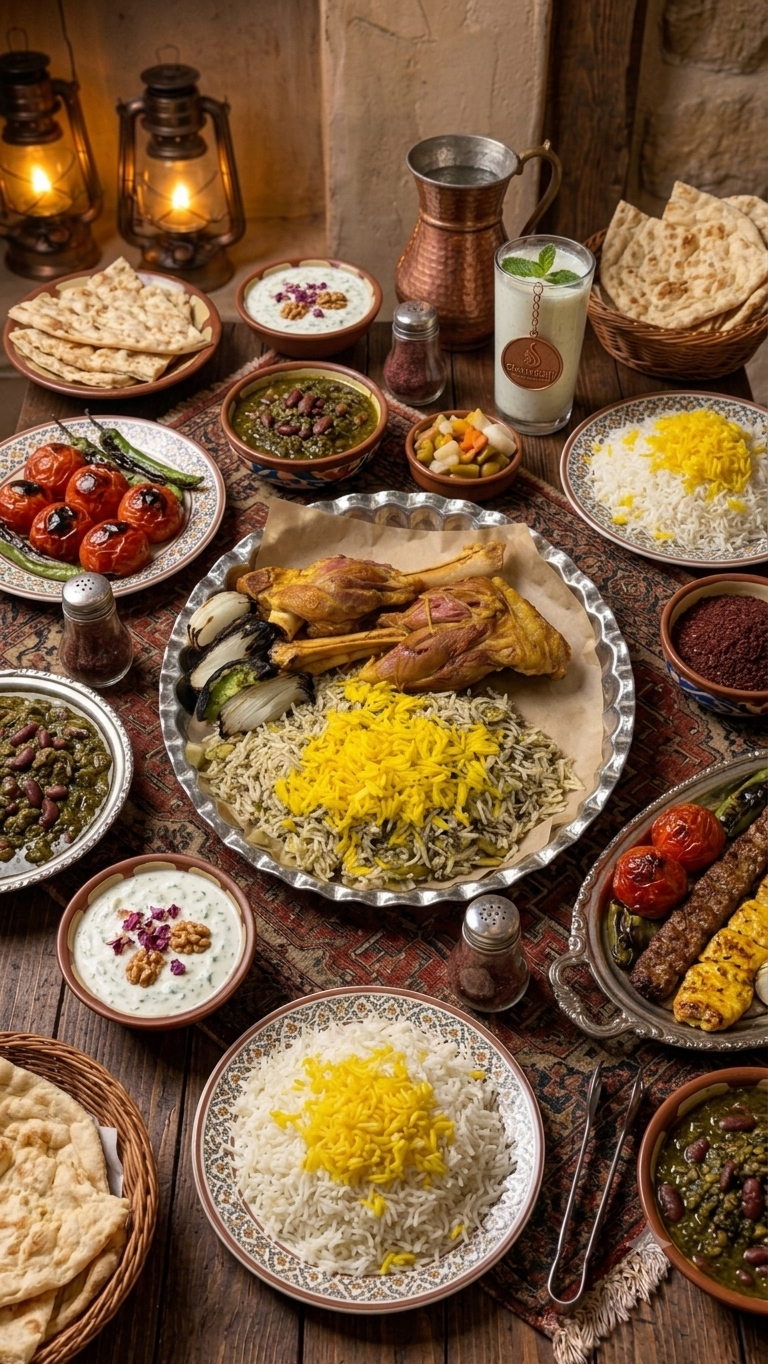
While the sizzling spectacle of the open-flame grill often commands the attention of first-time diners, true culinary connoisseurs know that the absolute soul of authentic Persian food resides over the low, patient heat of the stove-top station. In a traditional kitchen, a stew—known natively as Khoresh—is never treated as a hasty, secondary option. Instead, it represents the absolute pinnacle of culinary patience, requiring hours of careful simmering, precise temperature control, and a deep understanding of how complex ingredients interact over time. These rich, textured masterpieces are designed to capture the comforting warmth of an authentic home-cooked meal, offering a depth of flavor that simply cannot be rushed.
At Shamshiri Persian Grill in Glendale, our slow-cooked stews are prepared daily with a profound respect for time-honored techniques. We don’t believe in cutting corners or accelerating the simmering process. We understand that a truly exceptional Khoresh requires a patient, watchful eye to allow the herbs to fully release their essential oils, the proteins to become tender enough to pull apart with a fork, and the organic elements to meld into a flawless harmony. By exploring the unique anatomy of these slow-cooked creations, you will discover an entirely new dimension of flavor that defines the true essence of traditional dining.
1. Ghormeh Sabzi: Deciphering the National Culinary Identity
To understand the emotional weight of slow-cooked dishes, one must begin with Ghormeh Sabzi, universally celebrated as the national dish of Iran. This spectacular green herb stew is a masterclass in transforming fresh, earthy vegetation into a deeply complex, savory experience. The preparation is a rigorous, multi-step ritual that leaves no room for error.
The journey of this iconic stew unfolds through distinct, patient phases:
- The Sauté Ritual: A massive, vibrant blend of fresh parsley, scallions, cilantro, and wild fenugreek is chopped incredibly fine. This green mixture is then sautéed gently in small batches, a critical step that requires constant monitoring to ensure the herbs caramelize softly without burning or turning bitter.
- The Simmer Phase: Once prepared, the aromatic herb base is combined with tender chunks of meat and hearty red kidney beans, then submerged in a light broth to simmer undisturbed for several hours.
- The Acidic Secret: The defining transformation occurs through the introduction of Limoo Amani (sun-dried black limes). As the stew slow-cooks, these ancient citrus pods soften, piercing the rich broth with a beautifully complex, earthy, and subtly tart finish that balances the deep elements of the meat.
2. Gheymeh Bademjan: A Symphony of Textures and Warm Spices
If Ghormeh Sabzi represents the refreshing, herb-dense side of the kitchen, Gheymeh Bademjan stands as the ultimate showcase of warm, comforting, and deeply savory notes. This magnificent stew shifts the flavor profile toward a rich tomato and saffron foundation, bringing together yellow split peas, tender diced meat, and delicate layers of spice.
The true artistic test of this dish lies in the structural integrity of its components. The yellow split peas must be slow-cooked to a perfectly tender bite without becoming mushy or dissolving into the velvety tomato broth. Infused gently with aromatic cinnamon, black pepper, and pure saffron, the base develops a soothing warmth that coats the palate.
The crowning achievement of the dish is the presentation of the eggplant (Bademjan). Silky slices of eggplant are pan-fried separately until they reach a gorgeous, golden-brown exterior and a melt-in-your-mouth interior. They are placed delicately atop the simmering split pea base right before serving, ensuring they absorb the fragrant juices while retaining their distinct, velvety shape.
3. Fesenjan: The Avant-Garde Balance of Pomegranate and Walnut
For an experience that highlights the brilliant complexity of traditional flavor pairing, Fesenjan stands entirely in a class of its own. This luxurious, thick stew is a celebration of rich, celebratory ingredients that are slow-simmered over low heat until they undergo a complete, magical transformation.
The preparation begins by grinding toasted walnuts into a fine paste. This paste is simmered slowly with water for hours, allowing the nuts to release their natural, heart-healthy oils and create a rich, creamy texture without a single drop of dairy. The chefs then introduce premium, tart pomegranate molasses. As the mixture cooks down over an open fire, it deepens into a magnificent, dark burgundy hue.
The resulting sauce offers a spectacular, multi-layered contrast of deeply nutty, sweet, and intensely tart elements that coat tender, slow-braised chicken or minced meat perfectly. It is a dense, nutrient-rich masterpiece historically reserved for royal banquets and autumn festivals, providing an unforgettable dining experience that lingers beautifully on the tongue.
Frequently Asked Questions (Q&A)
What is the best way to enjoy a traditional slow-cooked stew?
The most authentic way to experience a Khoresh is to spoon the rich, savory mixture directly over a steaming bed of our fluffy saffron basmati rice. Rather than mixing the entire plate together at once, take small, collaborative forkfuls that combine a layer of the light, separate rice grains with a generous portion of the tender meat and aromatic sauce.
What are sun-dried limes (Limoo Amani), and are they meant to be eaten?
Limoo Amani are fresh limes that have been boiled in brine and left to dry in the sun until they develop a dark, brittle exterior. They act as natural flavor capsules inside stews like Ghormeh Sabzi, releasing a beautifully tart, smoky citrus punch. While their main purpose is to infuse the broth during the slow-simmering process, adventurous diners often crush them on their plates to enjoy an intense burst of concentrated flavor.
Are your traditional stews suitable for individuals tracking a wholesome lifestyle?
Yes, absolutely! Because our stews draw their incredible flavor profiles directly from natural sources—such as fresh hand-chopped herbs, ground walnuts, pure pomegranate molasses, and clean spices—they are highly nutritious and inherently wholesome. They provide an excellent source of dietary fiber, antioxidants, and high-quality protein without relying on processed fillers or hidden starches.
Can I order any of these slow-cooked masterpieces as a vegetarian option?
Yes! Traditional cooking values flexibility and hospitality above all else. We are delighted to prepare our iconic stews, including our herb-rich green stew and our smooth tomato and eggplant specialties, in a completely vegetarian format. This ensures you can enjoy the exact same complex aromas and slow-simmered depth alongside our fluffy basmati rice while aligning perfectly with your dietary preferences.
Secure a Table for a Slow-Cooked Culinary Journey Tonight
True culinary artistry cannot be mass-produced, automated, or rushed. We invite you to step away from the predictable world of fast-casual dining and pull up a chair for a meal that honors the beauty of patience, tradition, and exceptional hospitality.
Bring your favorite people together to share our magnificent slow-cooked platters on our comfortable, heated outdoor patio tonight, where the unhurried atmosphere is perfectly matched by the soul-warming flavors of our kitchen. If you prefer to transform your own dining room into a traditional haven, select your favorite stews online for fast, reliable doorstep delivery throughout the neighborhood.
Ready to find your way to our welcoming front doors? Open your interactive directions here via our official Google Map Link to join us for an unforgettable feast.
Our Location & Contact Information
- Restaurant Name: Shamshiri Persian Grill
- Street Address: 122 W. Stocker Street, Glendale, CA 91202
- Direct Phone Line: (818) 246-9541