What does a beginner need to know before eating Persian food in Glendale? Not much: Persian cooking is mild, not fiery, built on saffron rice, grilled kabobs and slow stews, and easy to order on a first visit. This persian dining guide Glendale newcomers can use clears up the myths that make first-timers hesitate.
The short version
- Persian food leans on saffron, herbs, dried lime and pomegranate, not chili heat.
- Rice is a main event in Persian meals, not a side filler.
- Kabob is a whole family of dishes, from ground koobideh to bone-in joojeh.
- Stews like fesenjoon and ghormeh sabzi are slow-cooked and worth ordering alongside kabobs.
- Sharing plates is normal, and asking questions about the menu is normal too.
Glendale has one of the largest Iranian communities in Southern California, so Persian food here is everywhere. That cuts both ways. Familiarity breeds shorthand, and shorthand breeds myths. Friends say “it’s basically Middle Eastern food” or “just get a kabob” and leave it there. Here is what they get wrong.
Myth: Persian food is spicy
Reality: Persian cooking is aromatic, not hot. The signature flavors are saffron, turmeric, dried lime, sumac, fresh herbs and pomegranate. Heat is rare. If anything, the cuisine balances sour against sweet and savory, like the tart-sweet walnut and pomegranate sauce in fesenjoon.
So skip the worry if you don’t handle chili well. Most dishes are gentle. Want a kick? Ask whether there’s a pepper or a condiment on the side. Usually there’s raw onion, fresh herbs or a squeeze of lemon instead.
Myth: It’s the same as every other Middle Eastern cuisine
Reality: Persian food shares some ingredients with its neighbors, but it has its own identity. Glendale diners see Armenian, Lebanese and Persian menus on the same blocks, and it’s easy to blur them.
Here is the difference in practice. Persian meals center on long-grain rice cooked with real care, often topped with saffron. Stews (khoresh) are slow-simmered for hours with herbs, beans, fruit or nuts. Hummus and falafel aren’t the core of a Persian table. Tahdig, the crisp golden crust from the bottom of the rice pot, is. If you want to tell a true Persian kitchen apart, our notes on what authentic Persian cooking looks like on a Glendale menu walk through the tells.
Myth: Rice is just a side dish
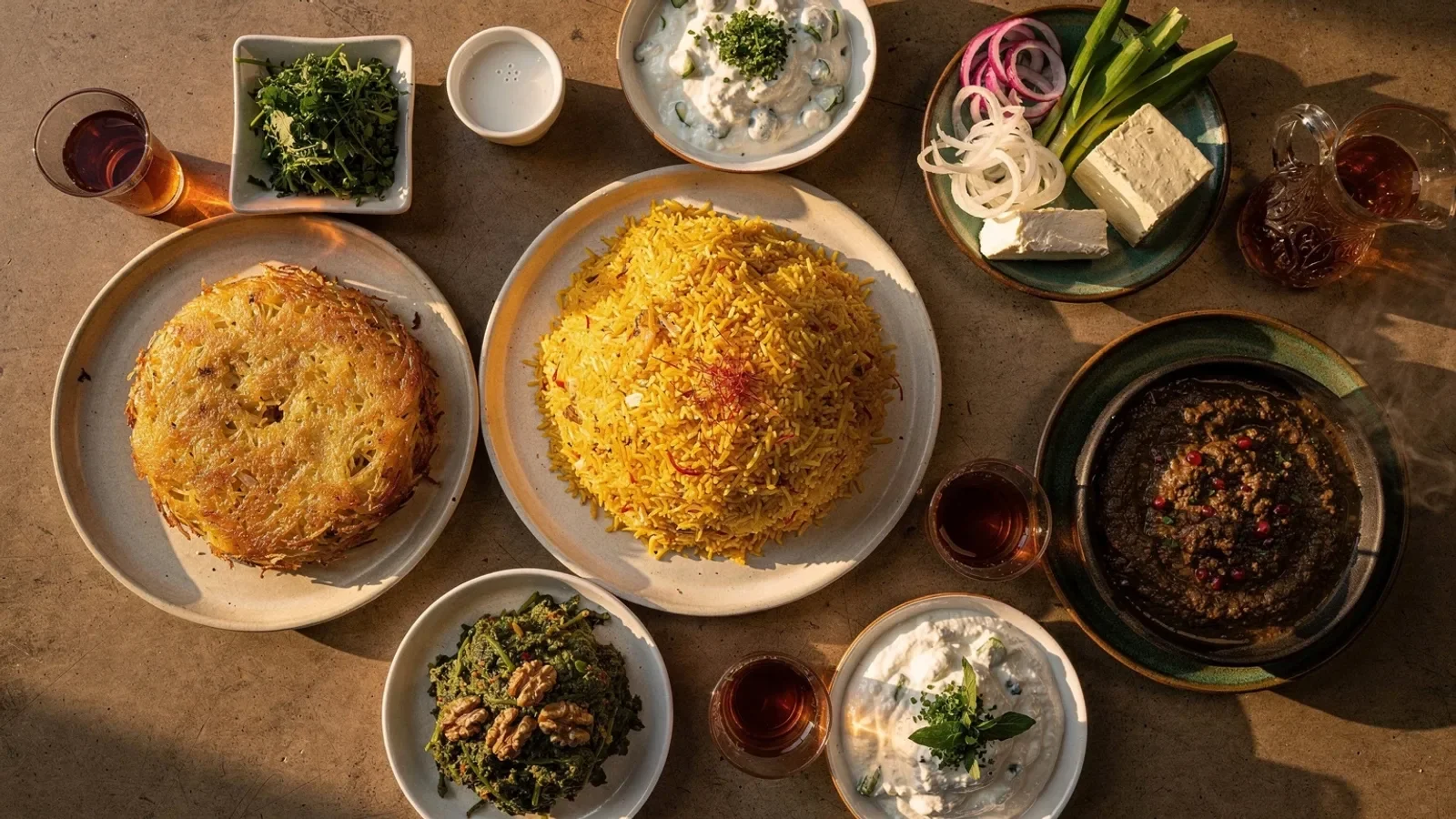
Reality: In Persian dining, rice is a centerpiece. Chelow, the plain steamed rice, is rinsed, soaked, par-boiled and steamed so each grain stays separate and fluffy. Saffron gets bloomed and streaked over the top. Here is why that matters: a kabob plate is judged as much by its rice as by its meat.
Polo dishes go further, mixing rice with herbs, beans, barberries or other ingredients. Order one at least once. And if you see tahdig offered, try it. It’s the crunchy part people fight over at home.
Myth: Ordering kabob means ordering one thing
Reality: “Kabob” covers several very different dishes. A first-timer who says “one kabob, please” will get asked which one. Know the basics before you go:
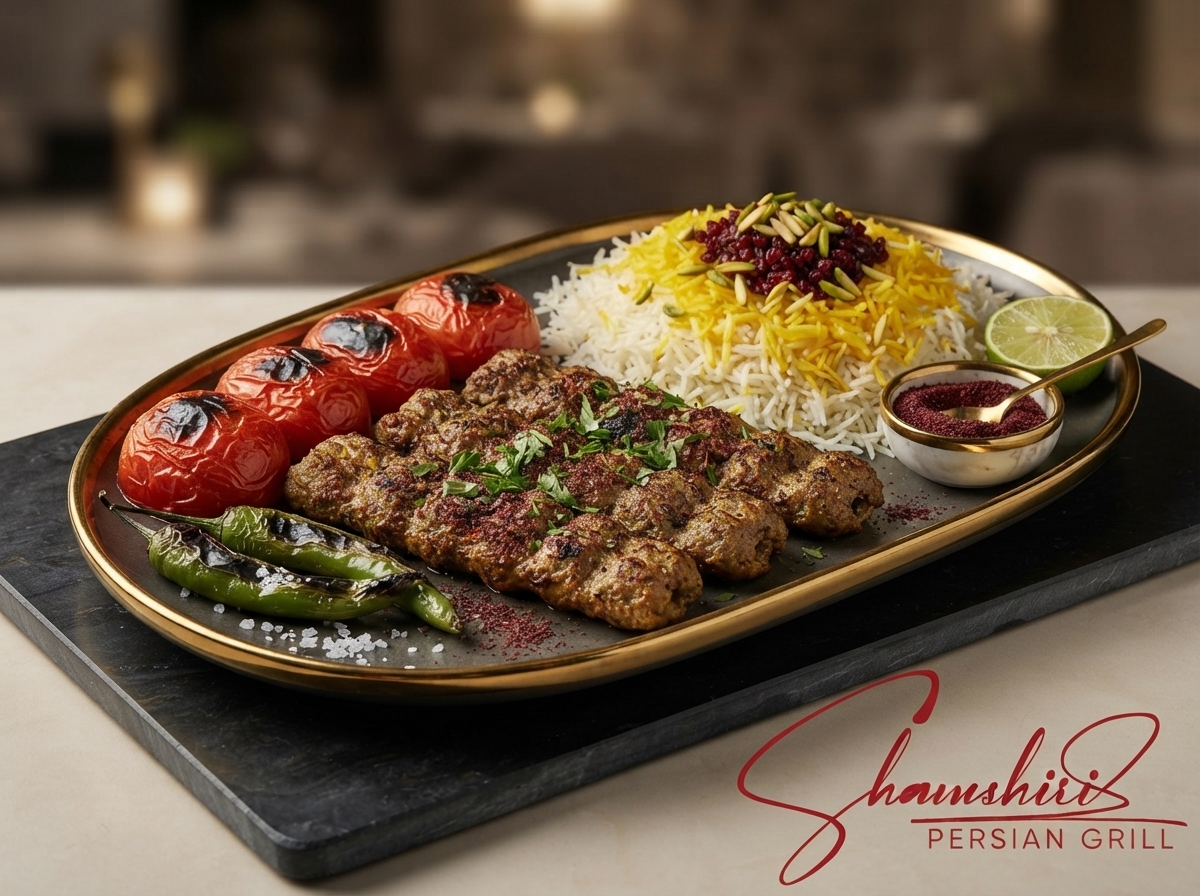
- Koobideh: seasoned ground meat pressed onto wide skewers and grilled. Juicy, soft, a good starting point.
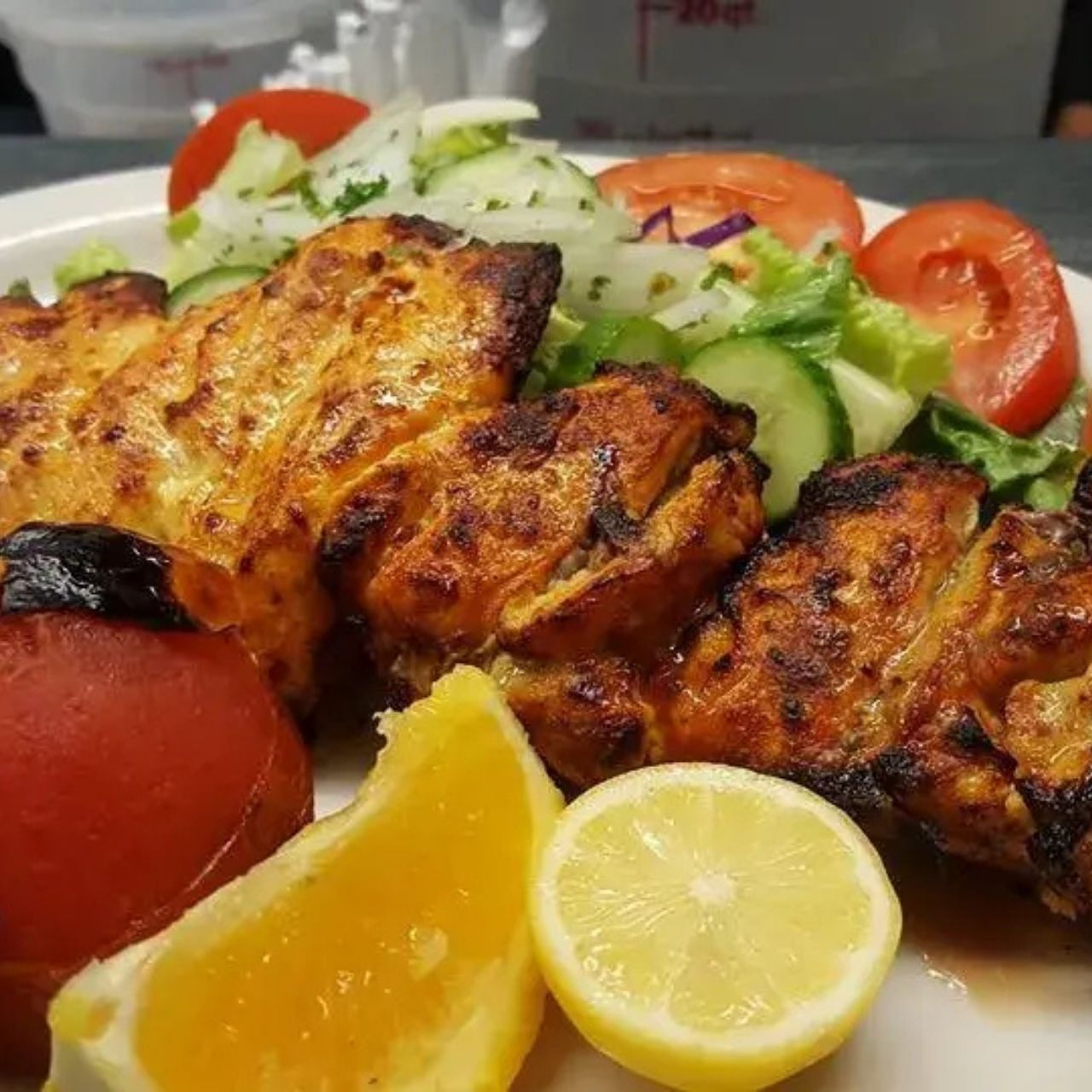
- Joojeh: chicken marinated in saffron and lemon, sometimes bone-in, sometimes boneless.
- Barg: thin strips of tender beef or lamb fillet.
- Soltani: a combo, usually one barg and one koobideh on the same plate.
Kabobs usually come with rice and a grilled tomato. Squeeze the tomato over the rice. That’s how it’s eaten. For a fuller rundown of cuts and marinades, see this breakdown of traditional kabob styles.
Myth: Kabobs are the only dishes worth ordering
Reality: The stews are where Persian home cooking shows its depth. Kabobs are the easy door in. Khoresh is the room behind it.
Start with these two. Ghormeh sabzi is a deep green herb stew with kidney beans, dried lime and meat; sour, earthy and very Persian. Fesenjoon simmers ground walnuts and pomegranate molasses into a dark, rich sauce, usually with chicken. Both go over plain rice. Order one stew and one kabob for the table and you’ll taste the whole range of the cuisine in a single meal.
Myth: You need to know the etiquette to eat at a Persian restaurant in Glendale
Reality: No special rules apply. Persian dining is relaxed and generous. Sharing is normal: families and groups commonly order several plates and pass them around. Nobody expects you to know the Farsi names either.
A few habits help. Start with appetizers like mast-o-khiar (yogurt with cucumber) or kashk-e bademjan (an eggplant dip). Use fresh herbs and raw onion as palate cleansers between bites. Finish with hot tea if it’s offered. Ask questions. Staff at a dedicated Persian restaurant in Glendale are used to first-timers and can steer you to a sensible first plate.
Myth: Persian food doesn’t travel, so you have to dine in
Reality: Most Persian dishes hold up fine for takeout, with a little planning. Stews often taste even better the next day, because the flavors settle. Rice is the fragile part. It can steam itself soft in a closed container, and tahdig loses its crunch fast.
Do this: open the container as soon as you’re home, and eat kabobs first while they’re hot. If you’re ordering for a group, our guide to getting Persian takeout right covers what to order and how to keep it at its best. Still, for your very first meal, eat in. Kabobs straight off the grill and rice straight from the pot set the benchmark.
Persian dining guide Glendale: how the setting changes your first meal
Glendale’s mild climate shapes how people eat Persian food here. Even in late autumn, evenings in the foothills tend to stay pleasant enough for outdoor tables, and grilled food suits that kind of weather. Glendale’s Persian dining scene is also concentrated along busy commercial corridors like Brand Boulevard and Glendale Avenue, where weekend dinner rushes are common because big family groups eat out together. The practical advice: go on a weeknight or early evening for your first visit. It’s calmer, service is less rushed, and you’ll have more room to ask about the menu. Weekend nights are lively and fun, but busier.
Frequently Asked Questions about Persian dining in Glendale
What should I order on my first Persian meal?
Order a koobideh or joojeh kabob plate with saffron rice, plus one stew like ghormeh sabzi or fesenjoon to share. That combination shows you both the grill and the slow-cooked side of Persian cooking.
Is Persian food good for vegetarians?
Partly. Appetizers like yogurt dips, eggplant dishes and herb plates are often meat-free, and some rice dishes are too, but many stews include meat, so ask the staff what’s prepared without it.
What is tahdig?
Tahdig is the crispy golden layer of rice from the bottom of the pot. It’s a prized part of Persian meals and worth ordering when you see it.
How do I reheat leftover Persian rice and stew?
Reheat stew gently on the stove and warm rice covered with a splash of water so it steams rather than dries out. Our tips for reheating rice and khoresh go into more detail.
Your next step is simple: pick a weeknight, bring an appetite and a friend, and look over the Shamshiri Persian Grill menu before you go so you know which kabob and stew you want to try first.