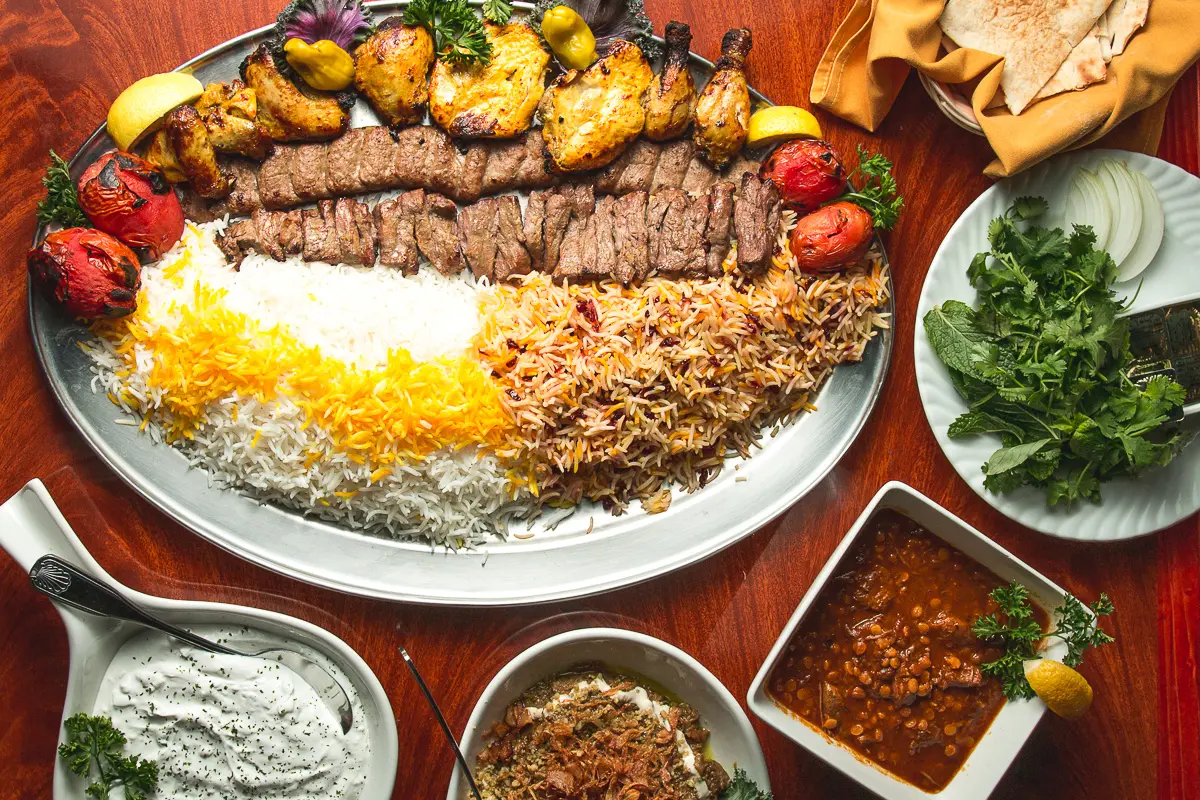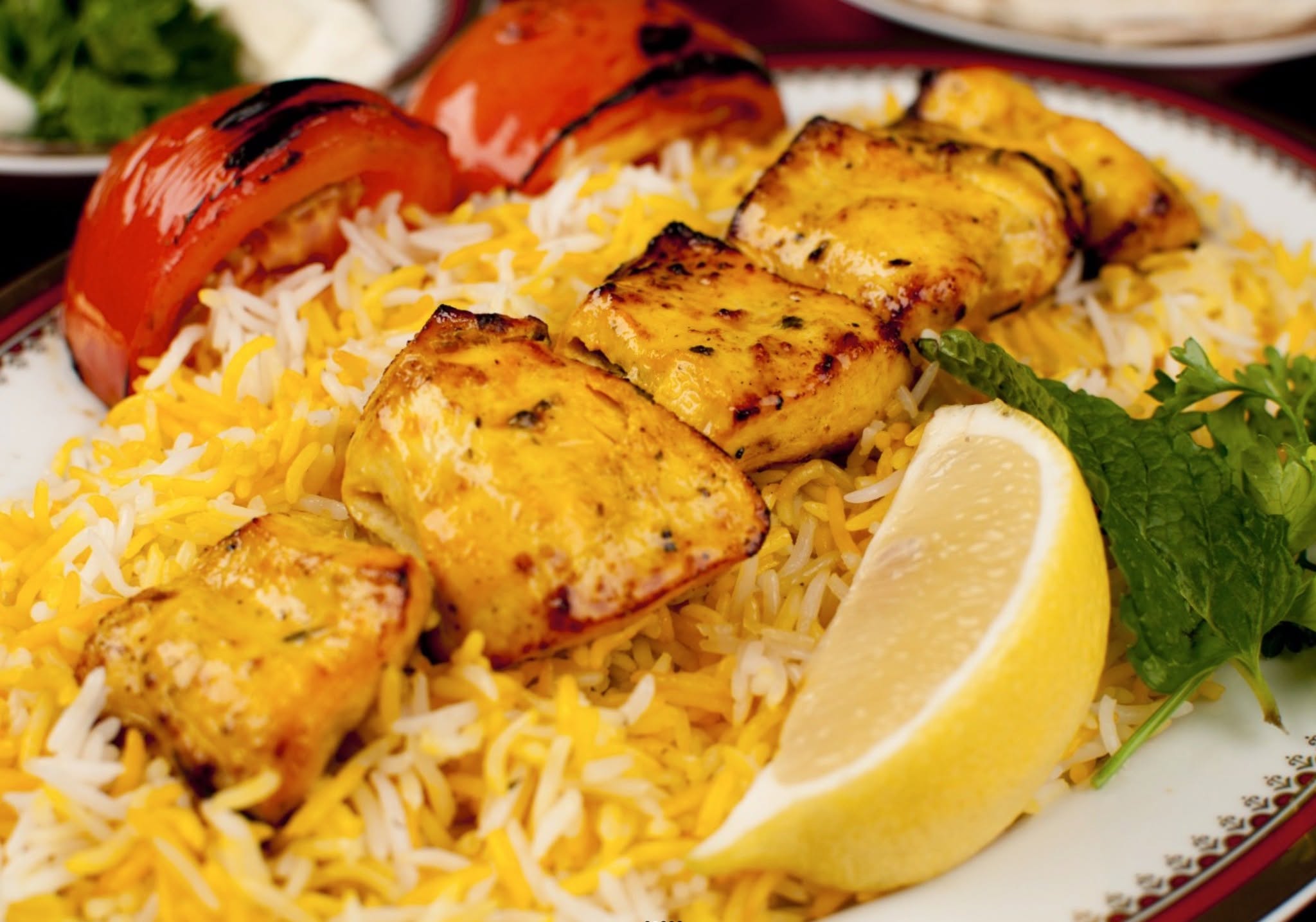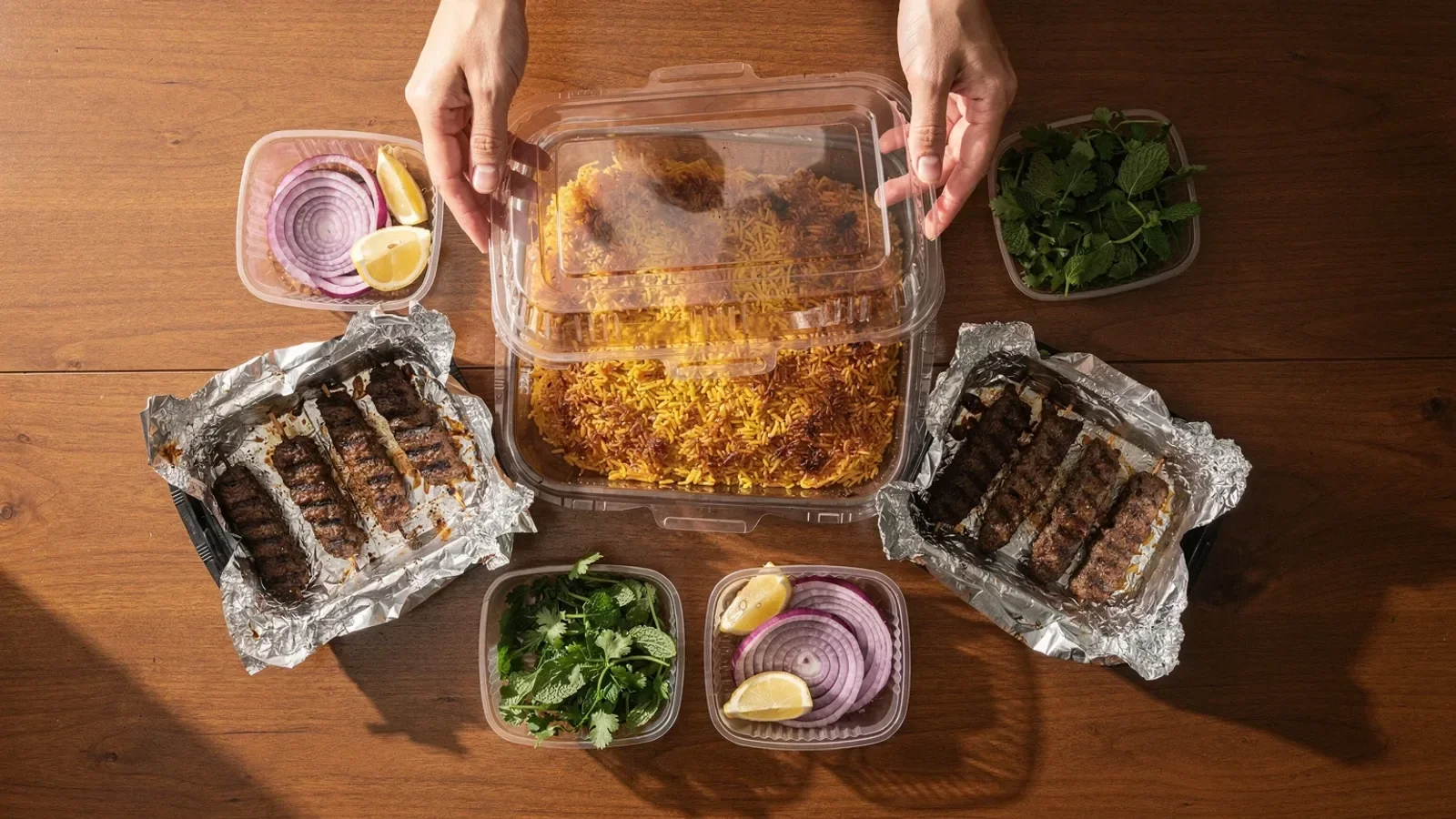
This checklist of persian takeout tips glendale diners use is built to get grilled skewers, slow-simmered stews, and saffron rice from the kitchen to your dining table without losing their texture. The single most important step is venting the steam from crispy containers immediately upon pickup. Steam ruins good crust. A ten-minute drive across town in a sealed bag turns crisp edges soft and overcooks tender cuts of meat.
How to build a takeout order that travels well
Not every dish on a traditional menu survives a twenty-minute commute in a closed plastic box. Pick items that hold their heat and structure, or ask for simple packaging adjustments when placing the order. If the menu terminology is still new to you, look over a quick primer on Persian dining in Glendale before calling in your selections.
- Choose bone-in poultry or ground meat skewers when your drive is longer than fifteen minutes. Ground beef and lamb (koobideh) retain higher fat content and stay moist inside a foil wrap far longer than lean, marinated sirloin chunks. Bone-in chicken (joojeh) holds thermal mass near the bone. This prevents the meat from drying out in transit.
- Request crispy rice crusts (tahdig) in a separate container from hot stews. Tahdig is prized for its shatteringly crisp, golden bottom layer. If the kitchen packs it in the same carton as steaming basmati rice or pours liquid stew over the top, condensation softens the crunch before you leave the parking lot.
- Order slow-simmered stews (khoresh) for long drives or delayed dinners. Dishes like herb stew (ghormeh sabzi), walnut-pomegranate stew (fesenjoon), and split-pea stew (gheymeh) actually improve as they sit. Their dense sauces trap heat well. They do not suffer from steam exposure.
- Ask for cold herb garnishes, raw onions, and torshi (pickled vegetables) in a separate bag. Packing chilled, pungent accompaniments directly on top of hot grilled containers warms the pickles and wilts the fresh tarragon, mint, and basil (sabzi khordan).
- Keep dressings on the side for chopped cucumber and tomato salads. Salad Shirazi releases water rapidly once salt and lime juice hit the diced vegetables. Ask for the citrus dressing in a small cup. Toss it right before sitting down to eat.
- Specify extra sumac and butter pats on the side rather than pre-melted over the rice. Pre-buttered basmati rice clumps together as it cools in the car. Melting fresh butter into the hot grains at your own table gives you better texture and flavor control.
- Select thick eggplant or yogurt dips over delicate fried appetizers. Roasted eggplant dishes like kashk-e bademjan or garlic-infused mirza ghasemi hold their texture well and reheat cleanly. Crisp flatbreads and hot starters lose their snap quickly in transit.
What to check before leaving the pickup counter
Mistakes caught at the host stand take thirty seconds to fix. Mistakes caught in your kitchen ruin the meal’s pacing. Take one minute at the counter of your local persian restaurant to verify the packing job and control trapped moisture before walking to your car.
- Crack the corner lid on any container holding crispy tahdig or hot flatbread. You do not need to expose the food to cold air. Lifting one snap-lock corner by a quarter-inch lets excess steam escape so it does not rain back down onto the crust.
- Verify that liquid stew cartons are wrapped in plastic film or sit completely flat at the bottom of the bag. Rich sauces containing pomegranate molasses, turmeric, and saffron stain fabric permanently if a lid pops loose over a speed bump.
- Check for the condiment cup containing sumac, raw onion slices, and grilled tomatoes. Grilled tomatoes are essential for crushing into dry rice. Deeply browned kabobs also taste flat without the bright, citrusy acid of ground sumac berries.
- Confirm the bag holds fresh lavash or sangak bread, and move it to the top of the stack. Heavy aluminum trays packed on top of warm flatbread compress the dough. It turns into a dense, chewy slab.
- Feel the temperature difference between cold yogurt bags and hot meat trays. Thick strained yogurt (mast-o-khiar or mast-o-musir) splits and turns watery if packed flush against a scorching aluminum platter of freshly pulled skewers. Separate them immediately if they share a single plastic bag.
- Count the rice trays against your entree count. Family platters often group multiple skewers into one large foil pan while packing the saffron rice in individual foam or plastic boxes. Make sure the grain portions match your headcount before driving off.
Glendale-specific considerations for takeout and delivery
Picking up food in Glendale, CA comes with specific traffic patterns, microclimates, and parking hurdles that directly affect how hot food travels. Plan your route and timing around the city’s layout. Your meal should not sit cooling in a parked car.
- Avoid routing through the Brand Boulevard and Colorado Street intersections during the evening rush if you are doing a self-pickup. Signal cycles and pedestrian crossings near the downtown retail core add ten to fifteen minutes of idle time. That is enough to steam-soften crispy rice and cool down thin cuts of lamb.
- Bring an insulated thermal bag during the cooler autumn and winter evenings when cold air rolls off the Verdugo Mountains. Daytime weather in the valley stays mild. However, nighttime temperatures drop fast enough that thin foil wraps lose their heat on the walk from a multi-story parking structure to your vehicle.
- Park on a level side street or bring a flat box for your passenger floorboard if you live up in the Adams Hill, Rossmoyne, or Chevy Chase Canyon neighborhoods. The steep hill grades and sharp residential curves in northern and eastern Glendale will tip tall soup and stew containers inside a standard plastic bag.
- Schedule pickup times thirty minutes before the standard dinner rush on weekends. Local dining rooms and kitchens handle heavy volume from multi-generational family gatherings on Friday, Saturday, and Sunday nights. Order early to avoid the bottleneck. Otherwise, bagged food sits under a heat lamp waiting for a final skewer to come off the grill.
- Skip third-party delivery couriers for sensitive grilled cuts during peak traffic hours on the 134 or 2 freeways. When drivers stack multiple orders across the city, delicate filets like barg (thinly sliced beef tenderloin) sit in closed thermal bags for forty minutes. They quickly steam past medium-well.
Persian takeout tips glendale households use at the table
The final five minutes between walking through your front door and serving the plates determine how the meal tastes. Do not serve straight out of the steamed styrofoam or plastic tubs. A quick staging routine restores the dish to dining-room quality. You can also explore traditional Persian dining in Glendale when you want to compare how dishes are plated fresh off the fire versus packed for travel.
- Unwrap the flatbread first and fold it inside a clean cotton kitchen towel. Plastic sweat makes lavash and sangak tough and rubbery. A dry cloth absorbs the surface moisture while keeping the bread warm and pliable for wrapping around pieces of meat.
- Transfer grilled skewers off the foil or paper lining onto a pre-warmed ceramic platter. As meat rests in transit, it releases juices that pool at the bottom of the tray. Leaving the kabobs sitting in that liquid makes the char soggy on the bottom side.
- Fluff the compacted basmati rice with a fork before scooping it onto plates. Takeout packing presses the long grains together into a solid brick. Gently raking the tines of a fork through the white rice aerates the grains and releases trapped steam. This keeps them separate and light.
- Keep the saffron-tinted rice (zaferani) spooned neatly on top rather than mixing it into the whole batch. The concentrated aroma and color of the saffron threads hit the palate much better when layered across the top of the white rice pile alongside a pat of melting butter.
- Check the internal temperature of your food if your commute took longer than two hours. According to the USDA Food Safety and Inspection Service guidelines on temperature danger zones, perishable cooked foods should not sit between 40°F and 140°F for more than two hours. Get leftovers into the refrigerator promptly.
- Revive softened tahdig in a dry cast-iron or nonstick skillet over medium heat for three minutes. Do not use a microwave on crispy rice crust. A quick toast on a hot stovetop burner drives off the surface moisture and restores the crunch without burning the saffron.
- Save leftover rice and stews in separate glass containers rather than storing them combined. Rice absorbs liquid overnight in the fridge and turns mushy. For step-by-step instructions on bringing next-day portions back to life without drying out the protein, follow this guide on reheating leftover Persian rice and stews the right way.
When to skip takeout and dine in
Some dining situations and specific cuts of meat simply do not belong in a cardboard box. Consider booking a table or eating on-site when your plans include any of the following:
- Ordering thin filet mignon skewers (kabob barg) or rack of lamb (shishlik). These cuts rely on exact medium-rare to medium temperatures and overcook rapidly from residual heat inside a closed container.
- Hosting out-of-town guests who have never experienced the aroma of charbroiled skewers arriving sizzling at the table alongside heaps of fresh herbs and warm bread pulled straight from the oven.
- Feeding a large group where coordinating six different stews, multiple rice platters, and cold appetizers at home would crowd your kitchen counters and leave half the food cold before everyone plates up.
- Living more than thirty minutes away during peak commuter windows. The long travel time guarantees that crisp textures will soften before you get home.
Frequently Asked Questions About Persian Takeout
Which Persian kabobs hold up best for takeout and delivery?
Ground beef or lamb skewers (koobideh) and bone-in marinated chicken (joojeh) travel best because their higher fat content and bone structure keep the meat juicy inside a closed box. Lean, thinly sliced beef filet (barg) dries out quickly from carry-over cooking. It is better eaten immediately in a dining room.
If this sounds like your situation, professional persian food in Glendale is where to start.
How do you keep tahdig crispy on the drive home?
Ask the kitchen to pack the tahdig in its own container separate from any wet stews or steaming mounds of rice. As soon as you pick up the bag, pop open one corner of the tahdig container’s lid. Moisture can then escape during the drive instead of condensing on the crust.
Can you eat Persian stews the day after ordering takeout?
Yes, traditional stews like ghormeh sabzi, fesenjoon, and gheymeh often taste richer the next day. The dried limes, herbs, walnuts, and spices continue to meld in the fridge. Store the stew separately from the basmati rice in an airtight container and reheat it gently on the stovetop with a splash of water.
Why is fresh bread always packed with kabob takeout orders?
Flatbreads like lavash sits underneath the hot skewers on the grill line or in the tray to soak up the rendered meat juices, melted butter, and saffron drippings. Diners also use torn pieces of the bread to pull hot meat off the skewers. You can then wrap bites of kabob with raw onion and fresh herbs.
Keep these packing and plating steps in mind next time you want a full spread at home without losing the smokiness of the grill. When you are ready to plan your next meal, explore our Glendale dining options and menu to get started.