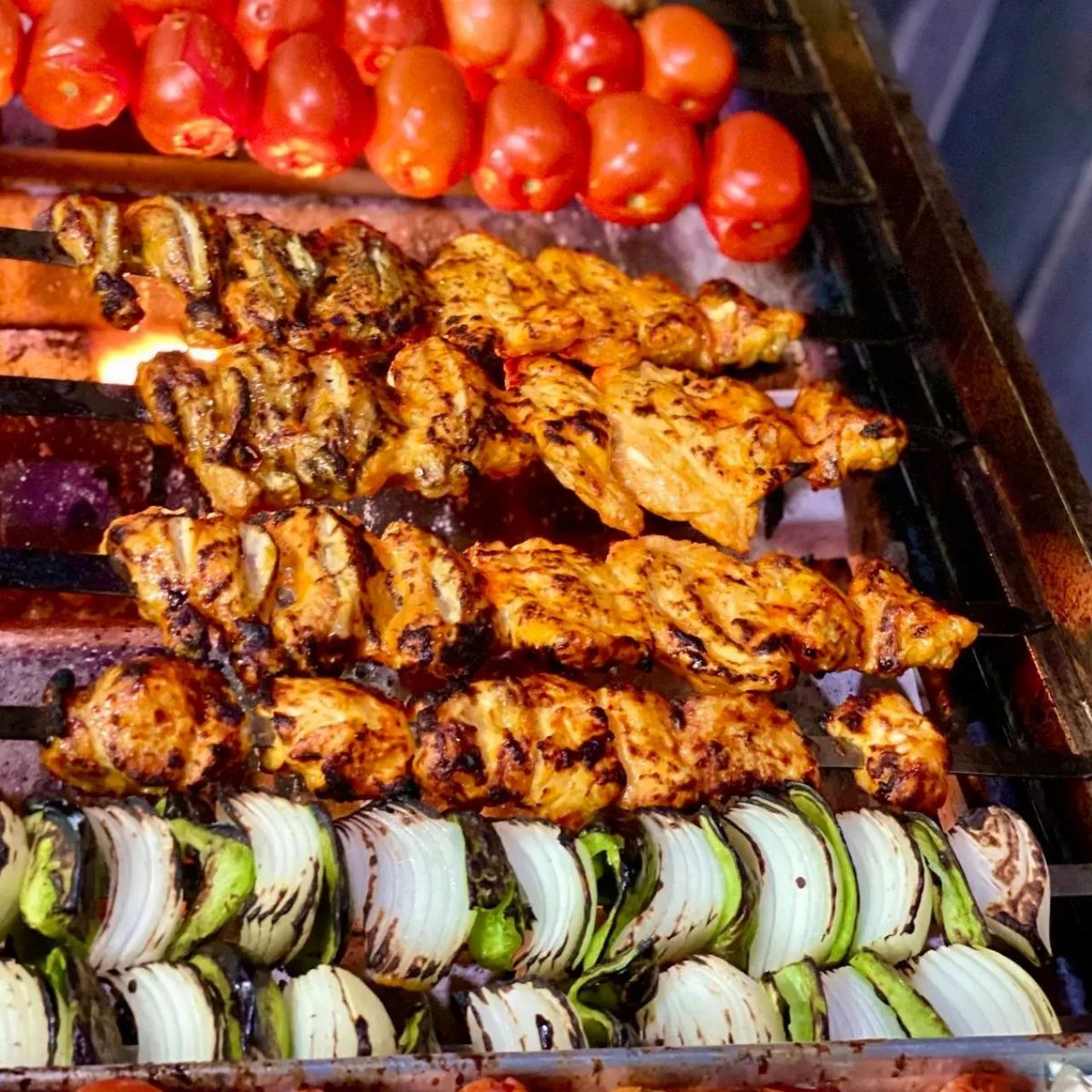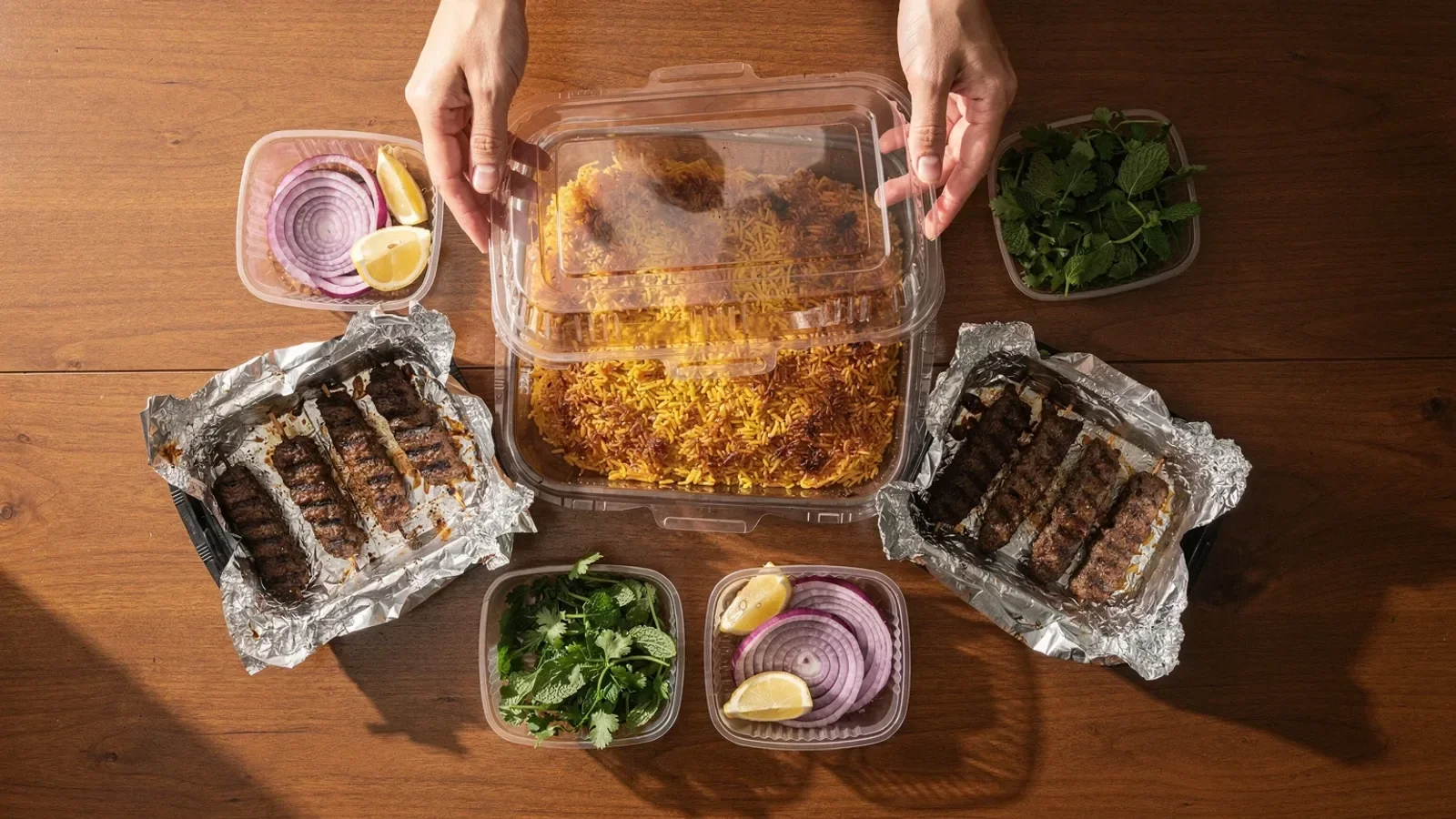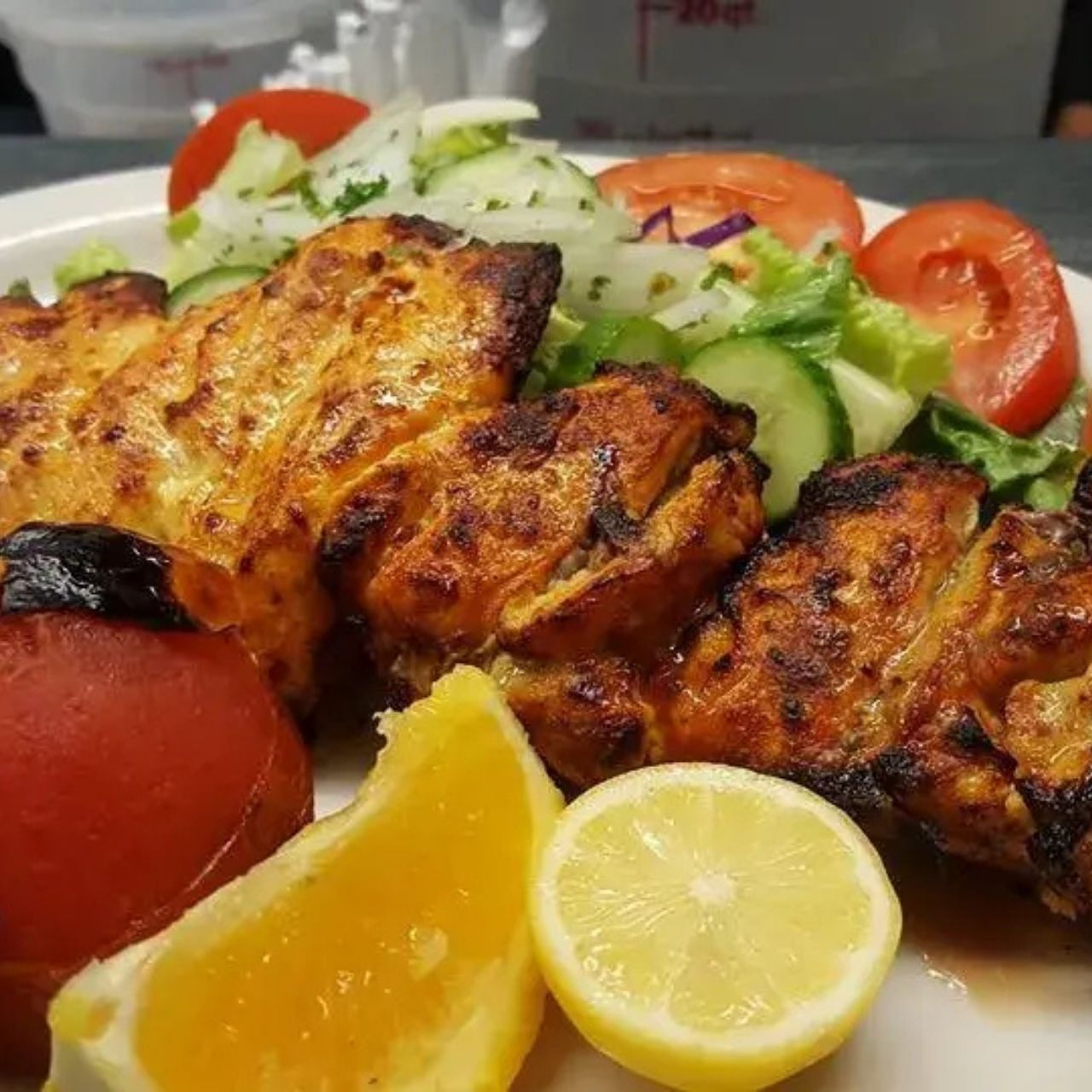
Authenticity shows less in the decor than most people think. It shows in the rice. Finding authentic Persian food Glendale locals recognize comes down to fluffy saffron rice with a crisp tahdig, kabobs grilled over open flame, and slow-simmered stews. A Persian-focused kitchen fits a traditional meal. A broad Middle Eastern menu suits mixed groups.
Authentic Persian food Glendale regulars recognize: quick facts
| Hallmark | What to look for |
|---|---|
| Rice (chelow) | Long, separate grains, steamed, topped with saffron-tinted rice |
| Tahdig | Golden, crisp crust from the bottom of the pot |
| Saffron | Deep aroma and a natural orange-gold color, not neon yellow |
| Kabobs | Open-flame grilling, served with grilled tomato and rice or bread |
| Stews (khoresh) | Long-simmered dishes like ghormeh sabzi and fesenjoon |
| Table extras | Fresh herbs, raw onion, sumac and yogurt sides |
What makes a Persian-focused kitchen different?
A Persian-focused kitchen builds the whole menu around rice, kabob and stew, the three pillars of Iranian home cooking. That focus is the main signal of authenticity.
Start with the rice. Persian chelow is rinsed, often soaked, parboiled, then steamed slowly so every grain stays long and separate. It isn’t sticky. It isn’t clumped. A spoonful of saffron-stained rice usually sits on top.
Then look for tahdig. That’s the crisp layer that forms at the bottom of the pot. It takes patience and heat control, and it’s hard to fake. If a kitchen offers it, that’s a good sign.
Kabobs come next. Koobideh is ground meat pressed by hand onto wide, flat skewers. Joojeh is saffron-marinated chicken. Barg is thin-sliced, tender beef. For a full rundown, see this guide to the classic kabob styles and how they differ.
Finally, the stews. Ghormeh sabzi needs herbs cooked down for hours. Fesenjoon pairs walnuts and pomegranate into a dark, tangy sauce. Short cooking times don’t work here. Here is why: the flavor comes from the slow reduction.
Can a broad Middle Eastern menu still get Persian dishes right?
Yes, a broad menu can still cook good Persian dishes, but you should check the details. Many kitchens serve kabobs from several traditions side by side.
The overlap is real. Kabobs, rice and grilled vegetables appear across the region. The differences show up in seasoning and rice method. Persian koobideh leans on onion, salt and a hint of sumac at the table. Other regional styles may add more spice blends or serve kabobs with pilaf cooked differently.
Check what comes with the plate. Persian kabobs usually arrive with chelow, grilled tomato and sometimes butter or sumac. If the rice is a seasoned pilaf with vermicelli or the bread is a pocket pita, you’re likely eating a different tradition. That’s not wrong. It’s just not Persian.
Also scan for stews. A menu with no khoresh at all is leaning on grilled items only. That works fine for a quick lunch. It tells you less about the kitchen’s Persian depth.
What about fusion and shortcut versions?
Fusion and shortcut versions can taste good, but they aren’t what you’re after if authenticity is the goal. Learn to spot them so you know what you’re ordering.
Common shortcuts are easy to see once you know them:
- Rice cooked like plain boiled rice, sticky or mushy, with no saffron layer.
- Bright yellow rice that gets its color from turmeric or food coloring instead of saffron.
- Kabobs cooked on a flat griddle instead of over flame, so there’s no char.
- Stews that taste thin, as if simmered for minutes rather than hours.
Fusion is different from shortcuts. A wrap filled with koobideh or a saffron rice bowl is a deliberate twist. Enjoy it for what it is. Just don’t judge a whole cuisine by it.
Side by side: three kitchen styles compared
The fastest way to choose is to compare the hallmarks directly. Here is how the three approaches usually stack up.
| Criteria | Persian-focused kitchen | Broad Middle Eastern menu | Fusion or shortcut style |
|---|---|---|---|
| Rice method | Steamed chelow, often with tahdig | Varies, often regional pilaf | Boiled or quick-cooked rice |
| Saffron use | Central to rice, chicken and desserts | Used in some dishes | Often replaced by coloring or turmeric |
| Kabob cooking | Open flame, Persian cuts and marinades | Open flame, mixed regional styles | Sometimes griddled |
| Stews on the menu | Several khoresh options | Few or none | Rare |
| Table sides | Herbs, sumac, yogurt, raw onion | Hummus, salads, pickles | Varies widely |
| Best for | A traditional Persian meal | Groups with mixed tastes | Quick, casual cravings |
If the rice row matters most to you, and it should, the left column wins. That’s the core of what separates a true Persian restaurant in Glendale from a general grill.
Why Glendale sets a high bar
Glendale diners judge Persian food against home cooking. That changes how you should read a menu here.
Glendale and the surrounding San Fernando Valley area have long been home to large Armenian and Iranian communities, including many Iranian-Armenian families. Plenty of locals grew up eating chelow, tahdig and ghormeh sabzi at family tables. They know what the rice should feel like. They notice when the saffron is weak.
That has a practical upside for you. Watch who’s eating. A dining room full of families sharing platters, ordering stews and asking for extra tahdig is a strong signal. So is a menu written with Persian dish names, not only English descriptions.
The local climate helps too. Glendale’s mild weather means outdoor tables stay in use for much of the year, and grilled kabobs suit that kind of easy, open-air meal. Even in late fall, evenings are often comfortable enough to eat outside with a jacket.
Short version: in Glendale, the crowd is a quality check.
How can you tell real saffron from food coloring?
Real saffron gives a natural orange-gold tint, a floral, slightly honeyed aroma, and color that sits unevenly on the rice. Food coloring looks flat, bright yellow and uniform.
Smell the rice first. Saffron has a distinct perfume. Coloring has none. Next, look at the pattern. Kitchens using saffron typically bloom it in hot water, then mix it into a portion of rice that goes on top. You’ll see a mix of white and golden grains, not a single solid color.
Joojeh kabob is another test. Saffron-marinated chicken has a warm golden hue and a subtle flavor that lingers. Heavy yellow color with no aroma suggests a substitute.
Is a crisp tahdig really a sign of quality?
Yes. Tahdig is one of the clearest quality signals, because it takes time, attention and a well-managed pot.
Good tahdig is golden to deep amber, crisp all the way through, and not burnt. Some kitchens make it from plain rice. Others use bread, potato or yogurt-and-saffron rice at the base. All are traditional. A pale, soft crust or a scorched, bitter one points to rushed cooking.
Ask if it’s available. Some places make it in limited batches because it can’t be rushed. That’s normal, not a red flag.
Does authentic Persian food travel well as takeout?
Mostly, yes, though rice and tahdig lose some texture in a closed container. Stews often travel best of all.
Kabobs hold up well for short trips. Tahdig softens from trapped steam, so eat it first or ask for it packed separately when possible. For tips on what to order and how to handle the bags, read this guide to getting Persian takeout right.
The same authenticity checks apply at home. Open the rice container and look for separate grains and a saffron layer. Taste the stew for depth. The signs don’t change just because the plate is cardboard.
Which kitchen style serves the authentic Persian food Glendale diners want?
Choose a Persian-focused kitchen when you want a traditional meal, and a broad Middle Eastern menu when your group wants variety. Fusion fits a fast, casual craving.
Here’s how to decide:
- First Persian meal? Go Persian-focused. You’ll get the real baseline: chelow, kabob and at least one stew.
- Mixed group with picky eaters? A broader menu gives everyone an option, though Persian depth may be thinner.
- Comparing kabobs? Persian-focused again. The cuts, marinades and flame-grilling are the point.
- Quick lunch on the go? Any style works. Just check the rice.
Skip the guesswork on decor and ambience. Judge the rice, the saffron and the stews. Those three tell you more than any sign on the door, and they’re the same hallmarks that define what to expect from a good Persian grill.
When to ask the staff before you order
Ask the staff directly when the menu leaves a question open. Good kitchens answer these without hesitation.
- You have a food allergy, especially to nuts, since fesenjoon is built on walnuts.
- You want to know if tahdig is available and how it’s made.
- You’re unsure whether a kabob is beef, lamb or chicken, or how it’s marinated.
- You want a stew recommendation and the menu lists several.
- You’re ordering for a large group and want a balanced spread.
Ready to put these checks to work? Plan your next Persian meal at Shamshiri Persian Grill Glendale and start with the rice.