This checklist helps diners identify authentic persian rice signs in Glendale, CA by checking for the single most important indicator of traditional preparation: completely separate, elongated grains that never clump together. Traditional Iranian cooking achieves this texture through a multi-stage parboiling and steaming method called chelow. This process removes excess surface starch before the final steam.
Visual checks for authentic persian rice signs
Look at the platter before you pick up your fork; the visual structure of the mound tells you immediately whether the kitchen steamed the rice properly or rushed it in a commercial pressure cooker.
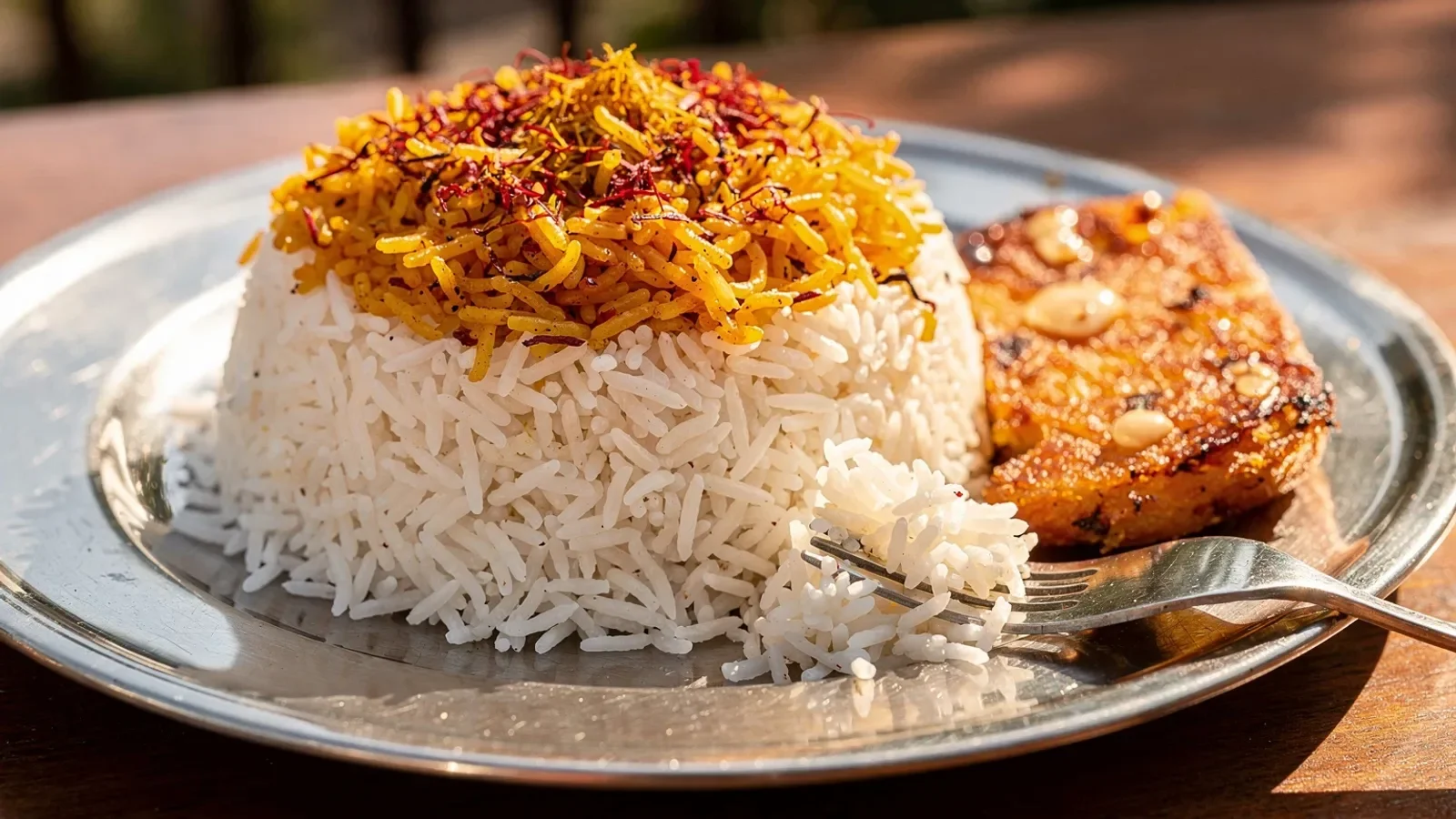
- Inspect the individual grain length and separation. Aged long-grain rice elongates to nearly double its raw length during the parboiling stage. Each grain should sit completely independent of its neighbors, sliding down the side of the mound like dry sand rather than sticking together in wet clusters.
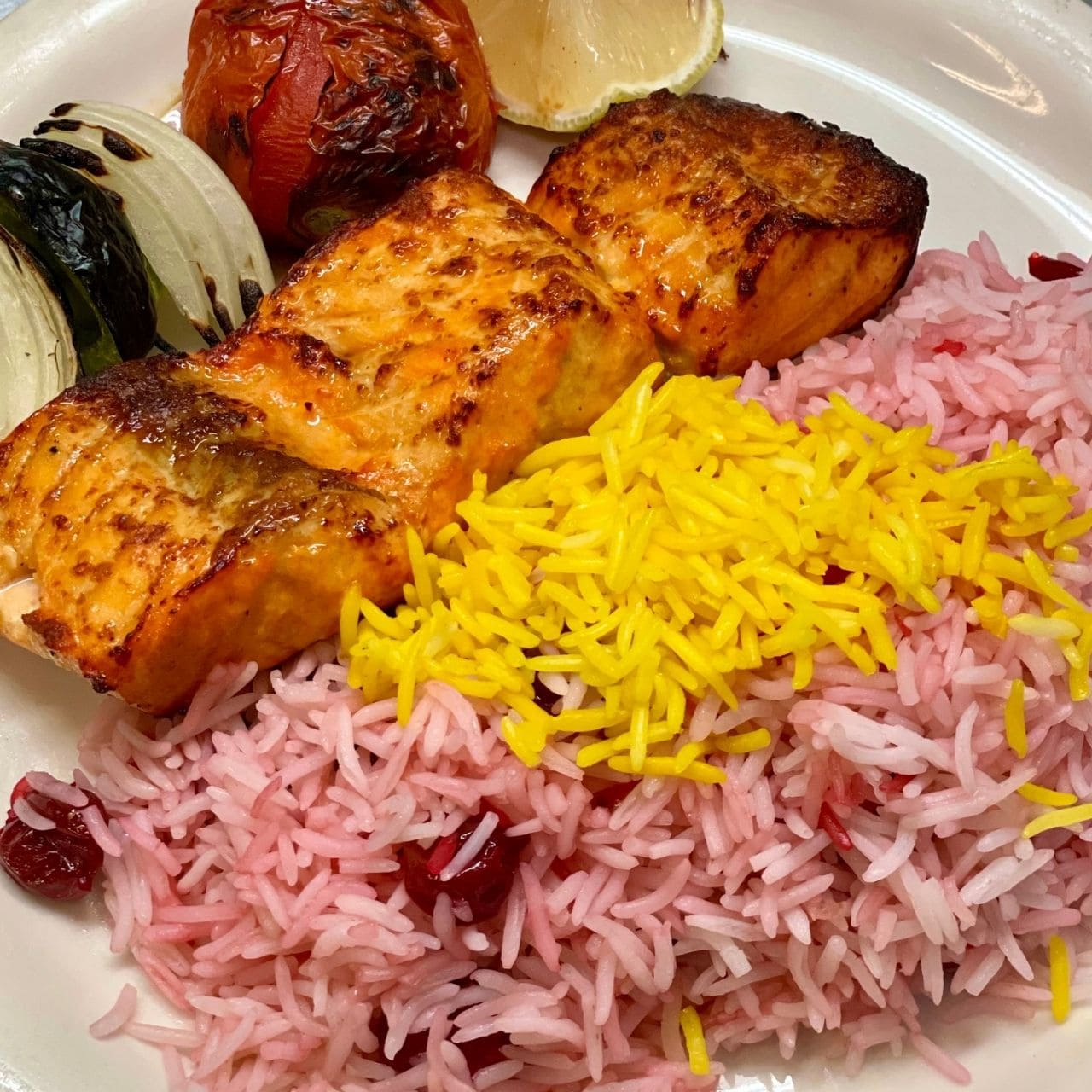
- Check the saffron crown for a two-tone contrast. A traditional kitchen does not dye the entire pot yellow. Instead, cooks dissolve ground saffron threads in a small amount of hot water or melted butter, mix it with a single ladle of cooked white rice, and spoon that bright golden mixture across the crest of the snow-white mound. If the whole plate is a uniform pale yellow, the kitchen likely used turmeric or food coloring in the boiling water.
- Look for intact tips on every grain. Broken or frayed ends mean the rice was either stirred roughly with a metal spoon during boiling or left to soak too long without enough salt. Proper handling with a gentle folding motion keeps the slender tips whole from the pot to the plate.
- Verify a gentle, translucent sheen on the white base. Real steamed chelow gets a light basting of clarified butter, oil, or hot broth right before serving. It should look faintly glossy under dining room lights, never swimming in a puddle of grease at the bottom of the dish and never chalky or dull.
- Spot the true ruby tone of real saffron threads. In the golden garnish on top, look for tiny dark red flecks of crushed stigma. Genuine saffron imparts a deep sunset orange-gold hue with red specks, whereas synthetic yellow powders leave a flat, neon tint with no visible botanical flecks.
- Examine the volume and height of the serving. Because steamed grains trap air pockets between them when fluffed with a slotted spatula, a properly plated serving stands tall and airy on the platter. Dense, flattened scoops leveled off with a wet ice-cream disher indicate a heavy, waterlogged batch.
- Scan the platter edges for condensation puddles. When rice is steamed wrapped in a cloth-lined lid (a damkoni), the fabric absorbs rising moisture so water never drips back onto the food. If water pools around the rim of your plate, the grains were pulled straight from a wet steamer pan without a proper cloth rest.
Aroma and texture checks once you take a bite
Your first forkful confirms what your eyes noticed. The short answer is that genuine Persian rice feels feather-light on the tongue while carrying a distinct, floral scent that plain steamed white rice never develops.
- Inhale the steam before adding any sauce or butter. True aged Basmati or Iranian sadri varieties release a natural warm, nutty aroma that comes from the chemical compound 2-acetyl-1-pyrroline present in the grain itself. If the steam smells flat, musty, or cardboard-like, the kitchen used standard unaged long-grain rice.
- Smell the saffron garnish for earthy, honey-like notes. Bring a forkful of the yellow top layer close to your nose. Pure saffron smells unmistakably floral, slightly metallic, and sweet, while cheap substitutes smell either like nothing at all or vaguely of bitter root spice.
- Test the bite for an al dente core. Press a single grain between your teeth. It should yield softly on the outside while keeping a tiny, resilient bounce right in the center, never dissolving into a pasty mash or crunching like an undercooked kernel.
- Tap the side of the mound with the back of your fork. Properly steamed grains cascade downward at a touch. If the fork leaves a solid dent or lifts a cohesive chunk the size of a golf ball, too much amylopectin starch remained on the exterior because the kitchen skipped the cold-water rinse after parboiling.
- Chew a plain white spoonful without kabob juices. Quality kitchen preparation seasons the boiling water heavily with kosher or sea salt before draining, much like cooking pasta in Italy. The plain white grains should taste clean, savory, and balanced on their own before you ever touch the salt shaker on the table.
- Check how the grains absorb meat juices and stew broths. When you spoon broth or roasted tomato liquid over the mound, individual grains should drink in the flavor while holding their structural shape. Low-grade or overboiled rice turns immediately into porridge the moment hot liquid touches it.
What to look for in the crust and the mix-ins
Beyond plain white chelow, traditional tables judge a kitchen by its crispy bottom crust and how well it balances sweet, tart, and herbal additions in mixed rice plates. When comparing traditional Persian rice dishes, the handling of delicate ingredients like tart barberries, dill, or broad beans separates careful batch cooking from steam-table shortcuts.
- Listen for an audible snap when you break the crust. Whether served as a side square or flipped over a platter, traditional crispy rice (known as tahdig) must shatter cleanly under the tines of a fork. If it bends like leather or chews like tough taffy, the heat under the pot was too low or the moisture level inside the vessel was too high.
- Check the thickness and color of the golden bottom layer. A well-formed crust measures roughly an eighth to a quarter of an inch thick and displays an even amber-gold toast from edge to edge. Blackened spots point to a scorched pan bottom. A pale, greasy slab means the rice was pulled off the burner before the starches could caramelize in the butter and saffron mixture.
- Inspect the barberries for plumpness and jewel-like shine. On a plate of barberry rice, the tiny red fruits should look plump, glossy, and ruby-red from a brief toss in warm butter and a pinch of sugar. Shriveled, dark brown, or hard berries mean they were tossed onto the platter dry or burned in a hot skillet; read more on what a balanced zereshk polo flavor profile tastes like before you order.
- Examine herbed rice for bright green color rather than olive drab. In dill and fava bean rice (baghali polo) or herb rice (sabzi polo), chopped dill, cilantro, parsley, and chives are layered into the pot right before the final steam. Freshly steamed herbs keep a vivid green tint and distinct leaf shape, whereas rice held for hours in a warming drawer turns a dull, muddy brown-green.
- Verify that mix-ins are layered rather than mashed into the grains. When a cook builds a mixed polo pot, they alternate layers of parboiled grains with herbs, beans, or sweet orange peel in a pyramid shape so steam rises evenly through the center. On your plate, those ingredients should sit distributed among intact white and green grains without staining or squashing the surrounding rice.
- Taste the balance between fat, acid, and salt in specialty mounds. Sweet cherries, tart barberries, or savory lima beans require a deliberate hand with clarified butter and saffron water so the dish does not taste cloying or sour. Each forkful should give you aromatic steam first, fruit or herb brightness second, and clean grain texture last.
Glendale-specific considerations for dining out and takeout
Glendale sits at the heart of Southern California’s vibrant Persian and Mediterranean dining corridor, surrounded by Burbank, Pasadena, and the San Fernando Valley. In a city where families and office crews regularly order massive grilled platters for table service and home gatherings, local dining customs and the dry Foothill climate directly affect how your rice arrives.
- Account for Glendale’s low humidity when eating on outdoor patios. Dry Santa Ana winds and warm afternoon air along Brand Boulevard or Glendale Avenue pull moisture out of fluffy steamed chelow within minutes. When dining al fresco, fold the saffron crown gently into the center of the mound or keep the foil tent partially closed so the outer layer does not turn dry and brittle before you finish your meal.
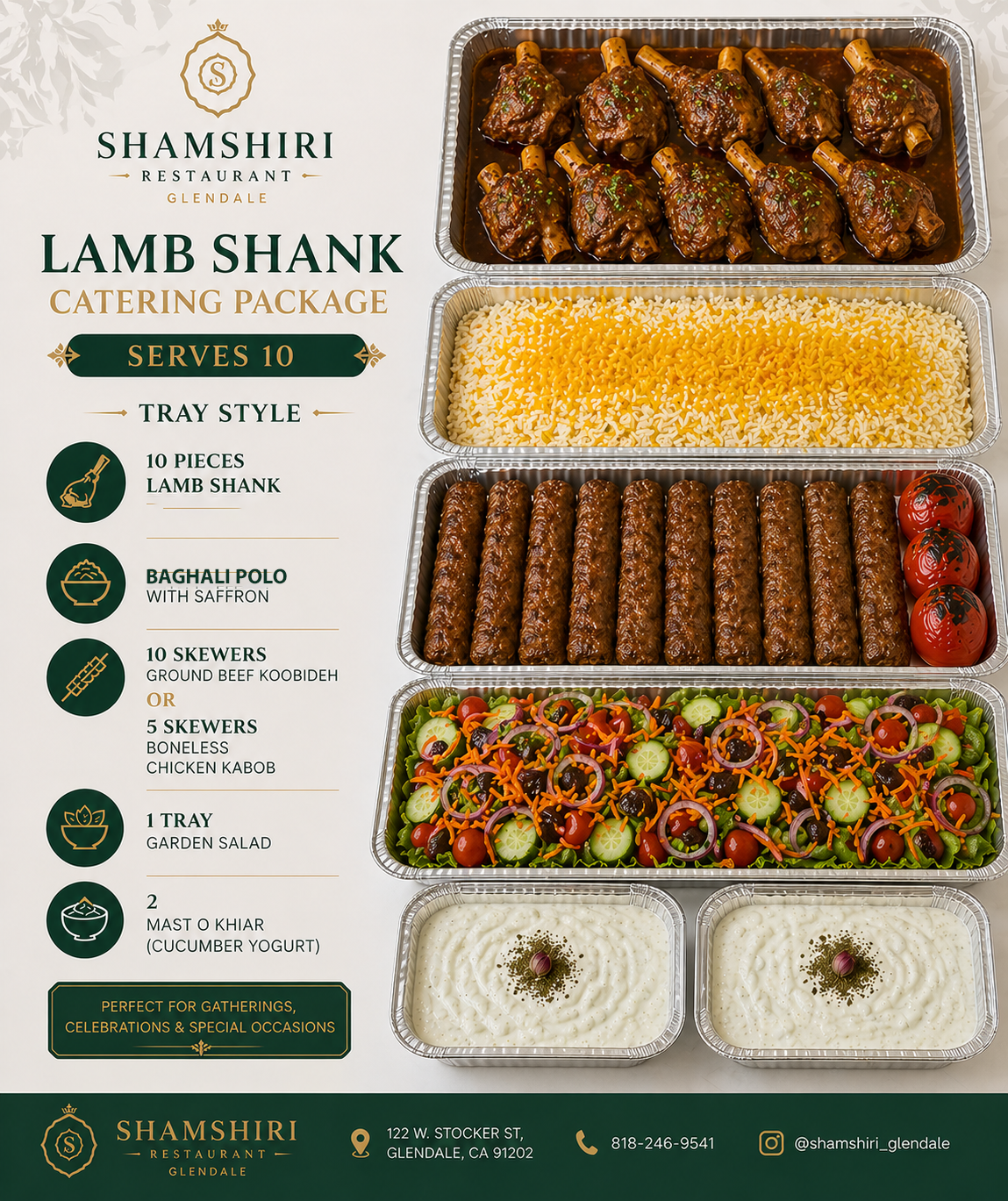
- Crack the container lid immediately on local delivery and takeout orders. Many Glendale diners pick up family trays for dinner at home. If freshly steamed rice sits sealed inside a tight plastic or foam clamshell for a fifteen-minute drive across town, trapped condensation drips back down and ruins the grain separation. Pop one corner of the lid open the moment the bag hits your car seat so excess steam escapes.
- Watch how the kitchen plates large family-style kabob platters. High-volume neighborhood grills serve mountain-sized portions designed for sharing across the table. Check that the kitchen keeps grilled tomatoes and juicy skewered meats slightly offset from the central rice peak (or on a separate platter) so the hot juices do not steam the entire base into a soggy mash before people serve themselves.
- Ask about batch timing during peak weekend dinner rushes. Authentic parboiled and cloth-steamed rice takes roughly forty-five minutes to an hour per pot from rinsing to final steam. In a busy Glendale dining room, a kitchen committed to traditional methods staggers smaller pots throughout the evening. It never dumps a single fifty-pound batch into an electric holding cabinet at four in the afternoon.
- Check the butter cup or sumac shaker at your table. Local dining tradition pairs plain steamed chelow with a sprinkle of tangy crimson sumac powder and optional butter on the side. A restaurant that serves its rice light and fluffy lets you control the richness at the table rather than drenching the platter in heavy cooking oil in the back kitchen to mask dry, day-old grains.
- Separate your leftovers before boxing them up at the table. Because Glendale portions frequently yield enough food for the next day’s lunch, pack your remaining white and saffron rice in a separate box from leftover stews, charred tomatoes, or raw onions. Keeping the grains isolated preserves their structure overnight so they reheat cleanly with a splash of water in a covered skillet.
How to order and evaluate the preparation at the table
You can tell a great deal about a restaurant’s rice program before the food even leaves the kitchen. Just pay attention to how the menu structures its options and how the server presents the platter. Before placing a group order, review how to order Persian rice for your table and browse the full breakdown of traditional Persian rice dishes and kabob pairings to match the right grain style to your entrée.
- Scan the menu for distinct rice styles rather than a single generic side. A kitchen that takes rice seriously lists chelow (plain steamed with saffron), baghali polo (dill and fava beans), zereshk polo (barberries), shirin polo (sweet orange peel and nuts), and adas polo (lentils and dates) as distinct culinary preparations, not afterthoughts.
- Ask whether the kitchen uses the drain-and-steam method. If you are curious about a restaurant’s process, ask your server whether the rice is parboiled and drained (abkesh) or cooked by full absorption (kateh). Traditional restaurant chelow served alongside grilled skewers relies on the abkesh drain-and-steam process to achieve its signature feather-light separation.
- Request your butter on the side on your first visit. Ordering the platter without extra melted butter poured over the top lets you judge the true quality of the grain, the salt level of the boiling water, and the natural fragrance of the saffron without heavy dairy fat covering up shortcuts.
- Observe the temperature of the platter when it hits the table. Properly steamed rice arrives piping hot from the steamer pot, releasing a visible puff of fragrant vapor when you break into the center of the mound with your serving spoon. Lukewarm centers with scorching-hot plate rims are a dead giveaway that the plate sat under an overhead heat lamp.
- Pair the grain texture intentionally with your chosen protein. Match light, herb-flecked or plain saffron chelow with rich minced beef or lamb skewers, and pair tart barberry or sweet jeweled rice with roasted poultry or lamb shanks. Check which rice styles pair with different grilled kabobs to get the most out of the kitchen’s menu.
Frequently Asked Questions About Authentic Persian Rice Signs
Why do traditional kitchens rinse and soak Persian rice so many times?
Washing and soaking long-grain aged Basmati or sadri rice in salted water removes loose surface starch and hydrates the core of the kernel before it ever hits boiling water. Without this step, the outer layer bursts and turns sticky in the pot while the inside stays hard, preventing the grain from elongating cleanly during the steam phase.
What is the difference between chelow and polo on a Persian menu?
Chelow is plain white parboiled and steamed rice finished with a golden saffron rice crown, typically served alongside grilled kabobs or slow-simmered stews (khoresht). Polo uses the same parboiling and steaming technique, but the cook layers ingredients like herbs, fava beans, barberries, lentils, or sour cherries directly into the grains before the final steam.
Can you tell if saffron on Persian rice is real just by looking at it?
Yes, genuine saffron leaves a warm, reddish-gold sunset hue on the grains and often shows tiny crimson threads or flecks mixed into the top layer. Artificial yellow food coloring or turmeric produces a flat, bright canary yellow with no floral aroma and no visible red botanical specks.
Why is my leftover Persian rice hard the next day, and is that normal?
Aged long-grain rice is high in amylose starch, which naturally recrystallizes and firms up once chilled in the refrigerator. That firmness is actually a sign of authentic high-amylose grain; steaming it gently in a covered pan with a tablespoon of water and a dab of butter brings back its original fluffy texture in minutes.
Ready to put this checklist to work at your next meal in Glendale? Visit Shamshiri Persian Grill Glendale to explore the menu and plan your next table order.