To choose a good Persian restaurant in Glendale, check four things: kabobs grilled over open flame, saffron rice with a crisp tahdig option, slow-simmered stews on the menu, and seating that suits your group. Read the menu first, order a mix of kabob, rice and stew, then judge the rice. Rice tells you most.
Glendale makes this harder than it sounds. You have plenty of choice, and most menus look alike at a glance. The differences show up in the details: how the meat is ground, how the rice is steamed, whether the stews get real time on the stove. This guide walks you through those details step by step, so your first visit is a good one and your fifth is even better.
Before you start
Get a few things straight before you pick a place. It saves you a wasted evening.
- Your group size. Two people can walk in. Eight people should call ahead.
- Dine-in, patio or takeout. Kabobs are at their best straight off the grill. Stews travel well.
- Dietary needs. Note any ingredient you avoid (nuts, dairy, gluten) so you can ask directly.
- How adventurous everyone is. First-timers do well with a combination plate. Regulars can go straight to the stews.
- Time of day. Weekend dinners are busy across Glendale. Lunch is quieter and a good way to test a new spot.
New to the cuisine entirely? Read our first-timer’s guide to Persian dining in Glendale before you go. It covers the basics this article assumes.
Step 1: Read the Persian restaurant menu for structure, not length
Look at how the menu is built before you look at what’s on it. A solid Persian menu usually has a clear kabob section, a rice section, a stew (khoresh) section and a short list of starters like mast-o-khiar (yogurt with cucumber), kashk-e bademjan (eggplant dip) and shirazi salad. Skip the urge to count items. A huge menu that wanders into unrelated cuisines often means nothing gets full attention. A focused menu with a few rotating stews is a better sign.
- Check that kabobs are named by type: koobideh, joojeh, barg, soltani.
- Look for at least two or three khoresh options, such as ghormeh sabzi, gheymeh or fesenjoon.
- Note whether polo dishes (mixed rice like baghali polo or zereshk polo) appear by name.
Step 2: Know your kabobs before you order
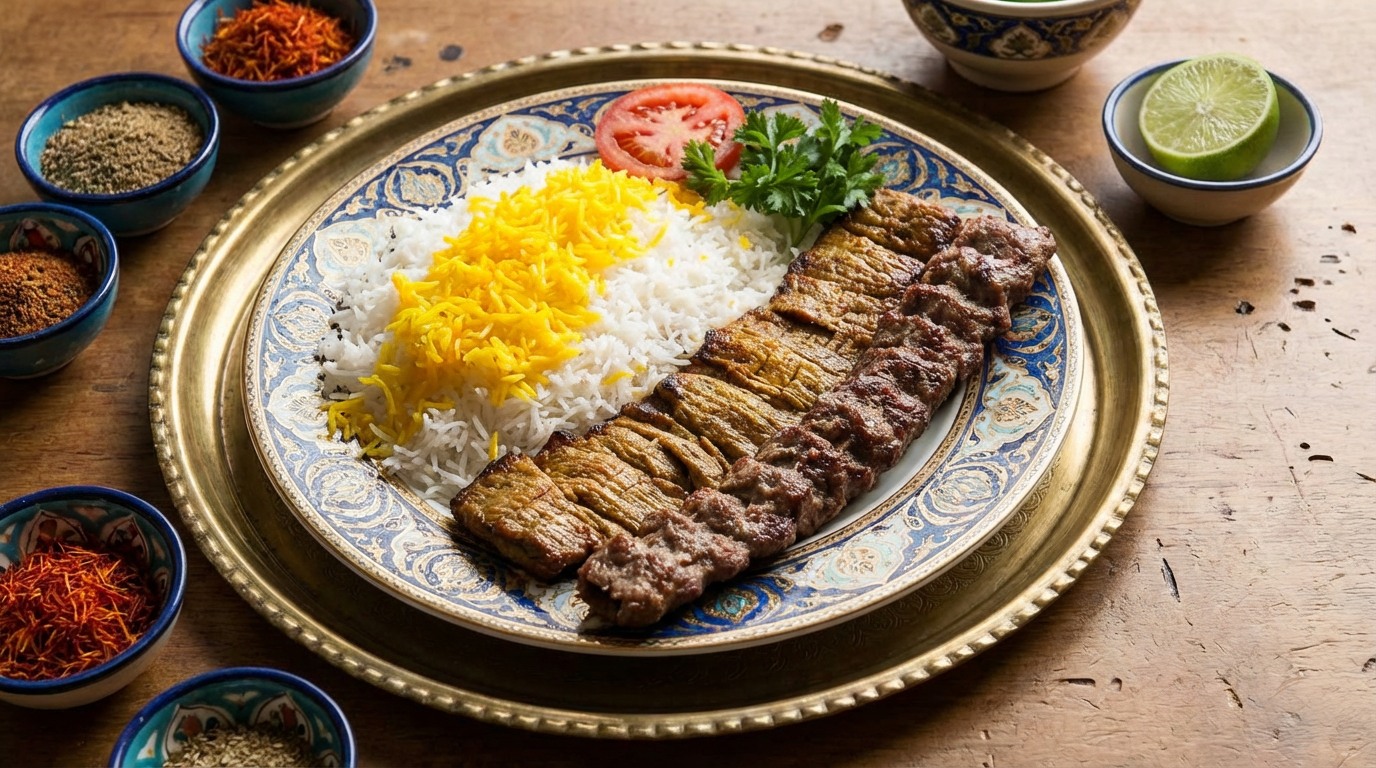
Learn the main kabob types so you can order on purpose. Koobideh is ground meat pressed onto a wide skewer. Joojeh is marinated chicken, often with saffron and lemon. Barg is thin-cut fillet. Soltani pairs a barg and a koobideh on one plate. Each tests the kitchen differently. Koobideh shows the grind and the seasoning. Joojeh shows the marinade. Barg shows knife work and timing, because thin meat overcooks fast.
Here is why it matters: a place that gets all four right is cooking with care, not reheating. Our breakdown of traditional kabob styles goes deeper on cuts, marinades and what each skewer should look like on the plate.
Step 3: Judge the rice first
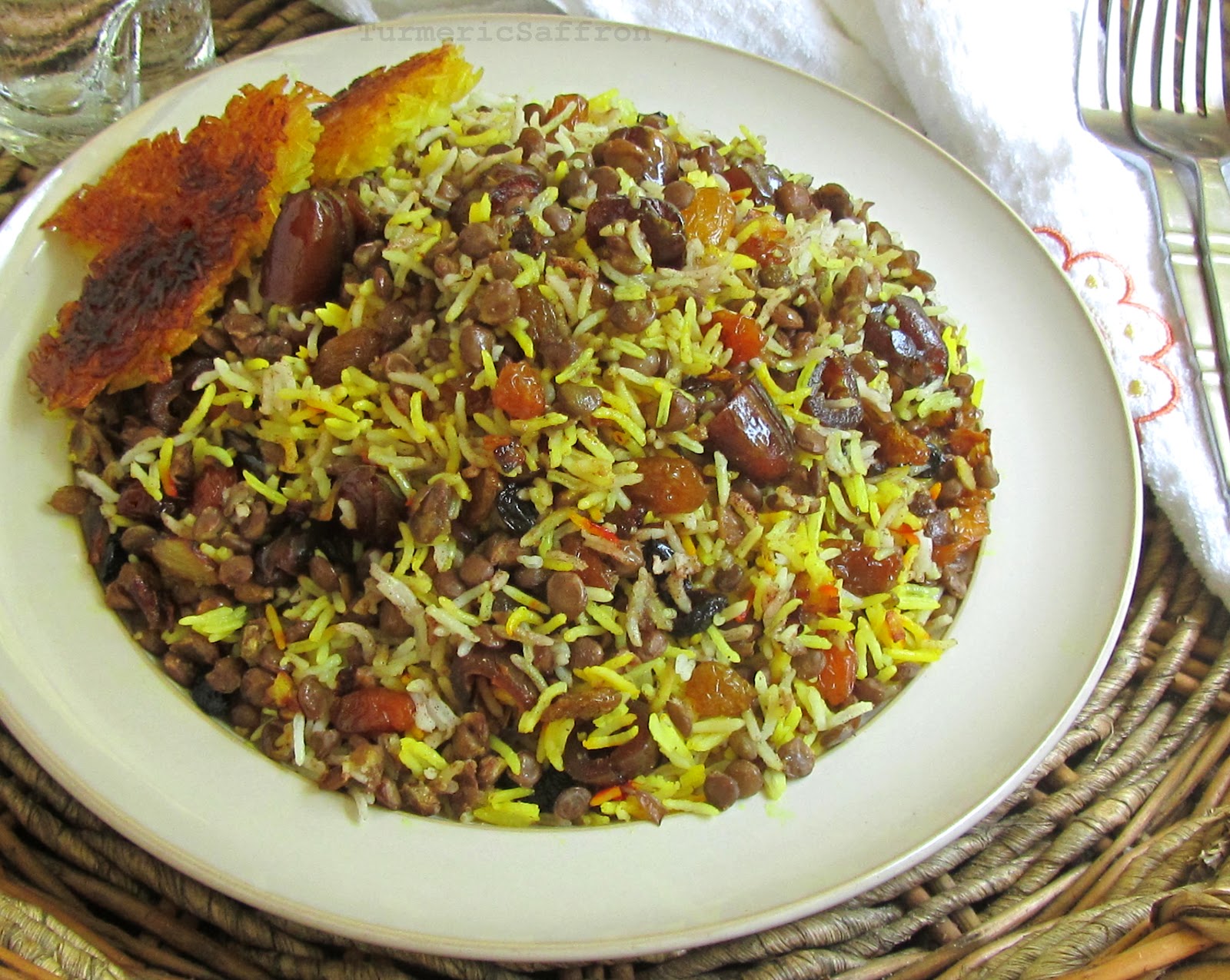
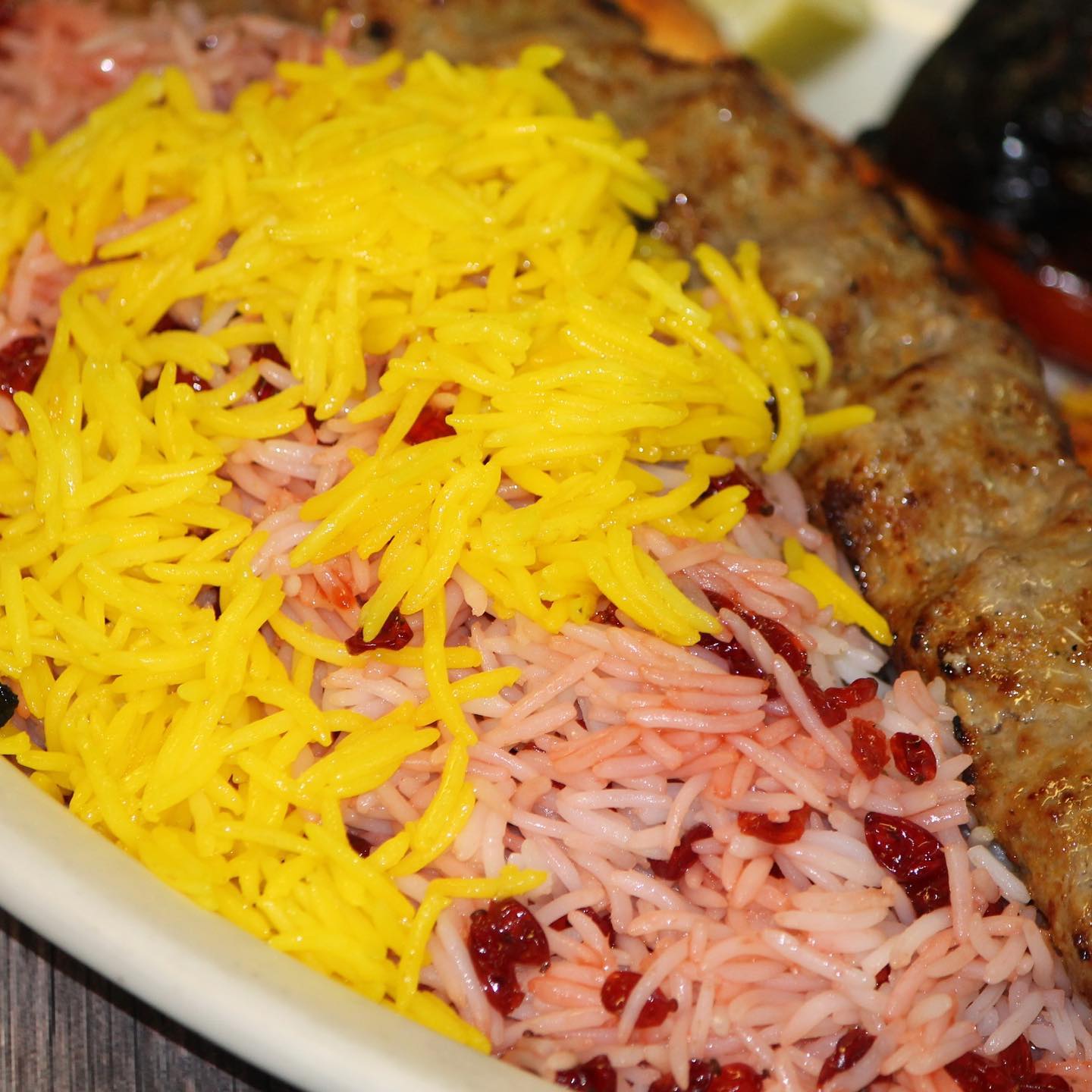
Order a plate with chelow (plain saffron-topped rice) and look closely. Good Persian rice is long-grain, separate and fluffy, not sticky or mushy. A streak of saffron-yellow grains sits on top. Ask whether tahdig is available. That’s the crisp golden layer from the bottom of the pot, and it takes patience and attention to make well.
- Good sign: each grain stands apart and smells faintly floral.
- Weak sign: clumped, wet rice or saffron that looks like food coloring.
- Bonus: a pat of butter and a sprinkle of sumac on the side for the kabobs.
Rice is the backbone of the meal. If it’s right, the rest usually follows.
Step 4: Order one stew, even if you came for kabobs
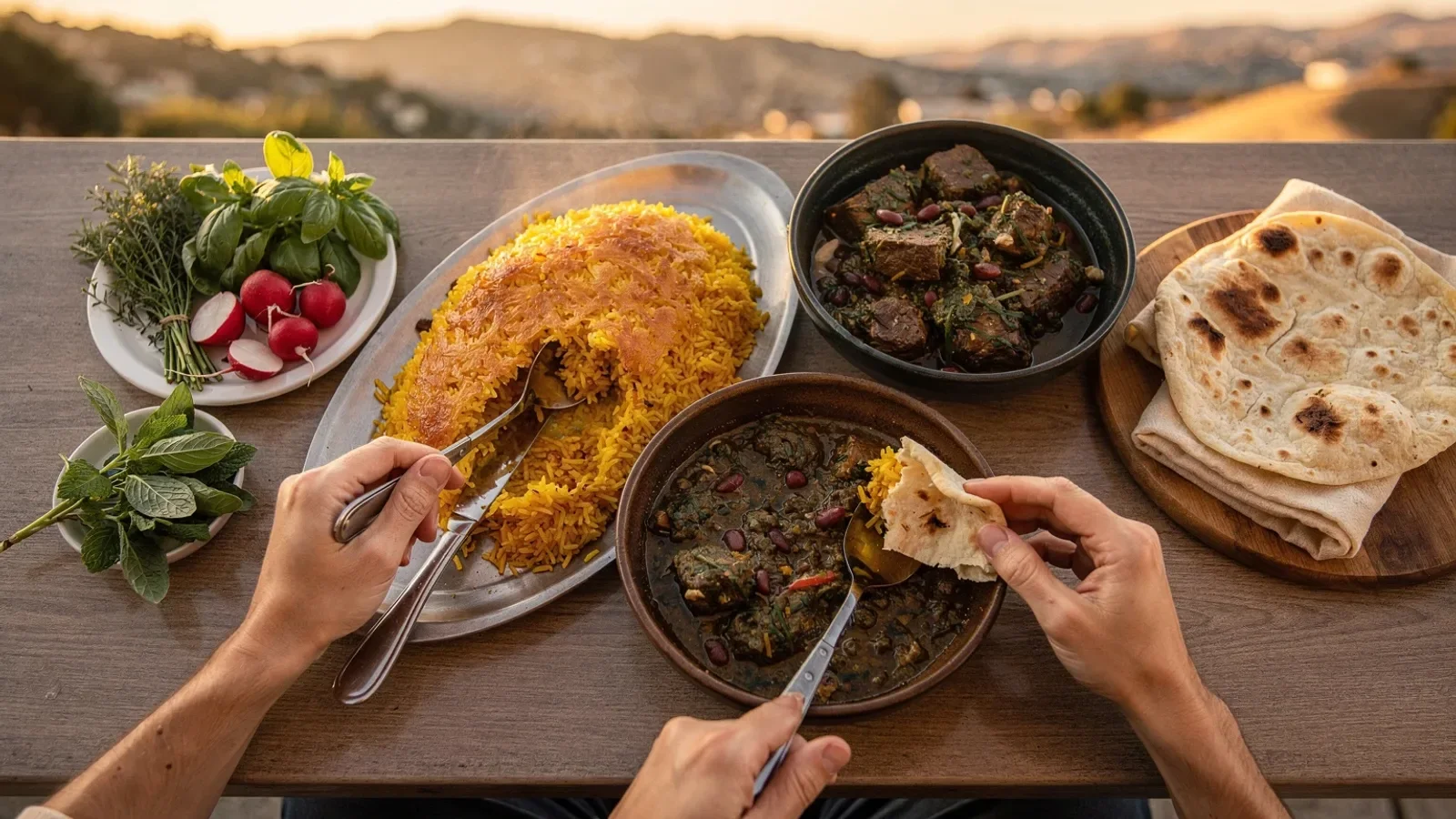
Add a khoresh to the table every time you try a new place. Persian stews need hours of slow simmering, and you can taste the difference. Ghormeh sabzi should be deep green-black from cooked-down herbs, with tender meat, kidney beans and the sour note of dried lime. Fesenjoon should be thick, dark and balanced between pomegranate tang and walnut richness. Thin, watery stews or flat flavor suggest a shortcut.
Stews also tell you something kabobs can’t. Anyone can grill. Building a stew properly takes planning the day before.
Step 5: Look for authenticity signals, not décor
Ignore the wall art and check the food. Signs worth noticing:
- Fresh herbs (sabzi khordan) served with bread or the meal.
- Grilled tomatoes alongside kabobs, charred but still juicy.
- Doogh (a savory yogurt drink) on the drinks list.
- Real saffron aroma, not just yellow color.
- Flatbread like lavash or sangak that’s warm, not stale.
None of these alone proves anything. Together they show a kitchen that respects the cuisine. For a fuller checklist, see our piece on how to tell authentic Persian cooking from shortcuts.
Why Glendale is its own Persian food market
Glendale’s dining scene is shaped by its people. The city has one of the largest Armenian communities in the United States, and a significant part of it has roots in Iran. Many Iranian-Armenian families arrived with Persian home cooking already in their kitchens. That raises the bar. Diners here often know exactly how ghormeh sabzi or koobideh should taste, because they grew up eating it.
That has two effects for you. First, there’s real competition on fundamentals like rice and grilling, so standards tend to be high. Second, menus can blend Persian and Armenian or broader Middle Eastern dishes. That’s fine. Just check that the Persian core (kabobs, polo, khoresh) is done properly, not treated as a side note.
We explain how this work is done on our page about professional persian restaurant in Glendale.
The climate matters too. Glendale’s winters are mild. Late fall and winter afternoons are often pleasant enough to sit outside, while evenings near the foothills cool off quickly. If patio seating is part of the appeal, plan an earlier meal in the cooler months, or ask whether the outdoor area is heated before you book a group dinner outside.
Step 6: Match the seating to the occasion
Pick the setting before you pick the dish. A casual patio works for a weekday lunch or a relaxed dinner with friends. A family gathering with grandparents wants indoor tables and room to share platters. Persian meals are built for sharing, so ask whether the place can push tables together and how long a large order takes from the grill.
- Small group: walk in, order a combination plate and a stew to share.
- Medium group: call ahead and ask about wait times.
- Large group: book in advance and order kabob platters plus two or three stews for the table.
Step 7: Plan takeout and leftovers the smart way
Order takeout with travel time in mind. Stews and rice hold up well. Kabobs lose some juiciness the longer they sit, so eat them first. Ask for sauces, yogurt and salad packed separately so nothing goes soggy. Keep the tahdig uncovered if you can, since steam softens the crunch.
Our guide to ordering Persian takeout in Glendale covers what travels best. Got leftovers? Follow these tips for reheating Persian rice and stews so day two still tastes right.
Step 8: Go back and order deeper
Return for a second visit and try what you skipped. The first meal shows you the basics. The second shows you range. Try a polo dish, a different khoresh, or a dessert like saffron rice pudding (sholeh zard) or faloodeh. A place that’s strong across the menu earns a spot in your rotation. A place that’s only good at one skewer is still worth knowing, but now you know what to order there.
Want to put this checklist to work? Plan a meal at Shamshiri Persian Grill Glendale and test the steps yourself.
When to call a professional in Glendale
Here, the professional is the restaurant itself. Call ahead before you show up in these cases:
- Food allergies or strict dietary needs. Nuts appear in some stews and desserts, and yogurt shows up across the menu. Ask the staff directly about ingredients. Don’t guess from a menu description.
- Large or special-occasion groups. Kabobs are grilled to order. A big order needs lead time.
- Specific dishes. Some stews or specials may not be made every day. Confirm before you build a plan around one.
- Seating preferences. If you want the patio on a cool evening, ask what the outdoor setup looks like.
A short phone call answers all of this in a minute. It’s the easiest step on the list.
Frequently Asked Questions about choosing a Persian restaurant
What should I order on my first visit?
Order a koobideh or joojeh kabob with saffron rice, plus one stew like ghormeh sabzi to share. That combination shows you the grill, the rice and the slow cooking in a single meal.
Is Persian food very spicy?
No, Persian food is generally mild. It relies on saffron, dried lime, herbs, pomegranate and turmeric for flavor rather than chili heat.
Is Persian food the same as Middle Eastern food?
Persian cuisine is part of the broader Middle Eastern family but has its own identity. Long-grain saffron rice, tahdig and herb-heavy stews set it apart from many neighboring cuisines.
How do I find out what’s on the menu before I go?
Check the restaurant’s website menu or call and ask. Calling also lets you confirm which stews are available that day.
Your next step is simple: pick a night, bring a friend who likes to share, and contact Shamshiri Persian Grill Glendale to plan your visit.