This checklist for traditional persian sides sabzi khordan glendale dinners helps you balance rich grilled meats and slow-simmered stews. The single most important rule is keeping a platter of crisp, raw herbs at the center of the table. Do not skip these bright, acidic accompaniments. Without them, the heavy char, clarified butter, and dense sauces quickly overwhelm your palate and leave the meal feeling flat.
How to build traditional persian sides sabzi khordan glendale platters
Start every meal with raw green herbs, mild alliums, and crunchy vegetables to wake up your taste buds before the hot dishes arrive.
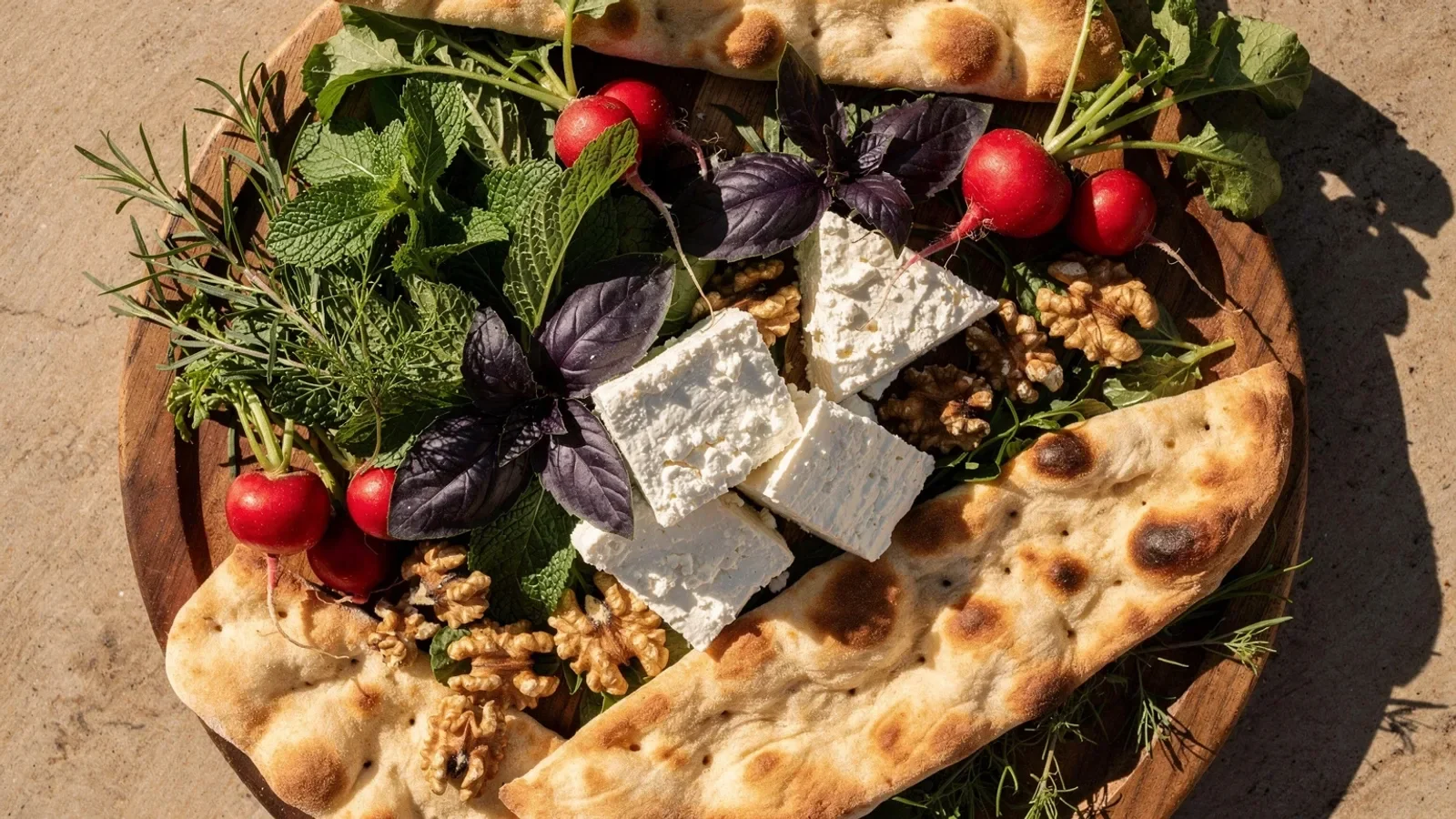
- Wash and dry raw tarragon (tarkhoon) and mint (na’na) thoroughly. Wet herbs wilt on the platter and turn slimy against warm bread. Use a salad spinner or spread the stems on clean kitchen towels for twenty minutes before plating. Tarragon brings a sharp, anise-like bite that cuts straight through rendered lamb fat. Spearmint cools the palate.
- Trim the roots off fresh Persian leek (tareh) or green scallions, leaving the crisp white and green stalks whole. Do not chop your herbs for a table platter. Diners pluck whole leaves and stems by hand, folding them straight into torn pieces of flatbread.
- Soak blocks of French or Bulgarian feta cheese (panir) in cold water for ten minutes before serving if the brine is overly aggressive. Pat the block dry and slice it into thick squares. Salty, creamy cheese anchors the bitter greens and binds the loose leaves together inside a bread wrap.
- Quarter small Persian cucumbers and crimson radishes, leaving the skins intact for maximum crunch. Place them around the perimeter of the herb pile. If a radish is pithy or soft, discard it. The entire point of the root vegetable on a sabzi platter is the sharp, watery snap between bites of grilled meat.
- Crack whole raw walnuts (gerdoo) and tuck them next to the feta. Eating a rich, slightly tannic walnut half alongside salty feta and sweet mint is the classic starter bite known as noon-panir-sabzi. It primes the stomach without filling you up before the main course.
- Tuck fresh purple or sweet green basil (reyhan) on top of the stack last so the delicate leaves do not bruise. Basil oxidizes and blackens quickly when crushed under heavier radishes or wet cheese. Keep the stems attached so guests can grab clean bunches easily.
- Wrap the leftover table greens in a damp paper towel immediately after the appetizer course finishes. Never let fresh herbs sit directly under hot serving platters or near indoor dining heaters. The volatile oils that aid digestion will evaporate before the entrees hit the table.
Check your yogurt dips (mast) and cold salads before the entrees arrive
Pair thick, cultured dairy dips with dry or charred proteins to add moisture and cool down warm spice blends.
- Grate Persian cucumbers on the coarse holes of a box grater and press out the excess water before mixing mast-o-khiar. Watery cucumbers ruin thick strained yogurt within fifteen minutes. Squeeze the shreds in your palm, stir them into full-fat strained yogurt, and fold in crushed dried mint, sea salt, and black pepper.
- Stir golden raisins and finely chopped walnuts into your cucumber yogurt when pairing it with lean poultry or saffron-heavy rice. The tiny bursts of sweetness contrast with savory saffron. They also prevent lean chicken breast skewers from tasting dry on the finish.
- Mince wild Persian shallots (mousir) very finely to prepare mast-o-mousir for beef and lamb dishes. Unlike standard kitchen shallots or raw garlic, reconstituted and cured mousir offers a mellow, nutty allium depth without harsh acid burn. Let the mixed dip rest in the refrigerator for at least two hours. This lets the dried shallot soften completely into the yogurt.
- Dice tomatoes, seedless cucumbers, and red onions into uniform quarter-inch cubes for salad Shirazi. Size uniformity matters here. When every piece is the exact same size, a single spoonful delivers equal parts sweet tomato, crisp cucumber, and sharp onion alongside authentic persian kabob combinations that need a bright, non-dairy counter-punch.
- Dress your salad Shirazi with fresh lime juice or sour grape juice (ab-ghooreh), extra-virgin olive oil, and dried mint no more than ten minutes before serving. Salt and acid draw liquid out of diced tomatoes rapidly. Dress it too early and your crisp chopped salad turns into a soggy soup at the bottom of the bowl.
- Fold steamed, finely chopped spinach and caramelized onions into thick yogurt to make borani esfenaj. Serve this denser dip slightly cool rather than ice-cold. Its earthy iron notes bridge the gap between charbroiled meats and herb-heavy stews without clashing with delicate rice aromatics.
- Spoon your yogurt sides into shallow, wide ceramic bowls rather than deep ramekins. A wide surface area lets you drizzle olive oil and scatter dried rose petals, crushed walnuts, or sumac across the top. Every scoop picks up the garnish.
Match aged pickles (torshi) and acids to rich stews and fatty cuts
Use sharp, vinegar-cured vegetables and tart table condiments to slice through gelatinous stews and high-fat ground meats.
- Set out small saucers of mixed pickled vegetables (torshi makhloot) whenever a slow-cooked stew or ground beef skewer is on the menu. Coarse chunks of cauliflower, carrot, celery, eggplant, and turnip are cured in grape vinegar and dried aromatic herbs. They act as an immediate palate reset between rich, oily bites.
- Save aged pickled garlic (seer torshi) specifically for dense, savory herb stews and rich walnut-pomegranate sauces. Properly aged seer torshi turns dark brown or jet black over years in red wine or grape vinegar. It loses its raw bite and develops a soft, balsamic-like sweetness that cuts right through heavy dishes.
- Check that your torshi smells cleanly of sharp vinegar, Golpar (Persian hogweed), and nigella seeds before putting it on the table. According to the National Center for Home Food Preservation pickling guidelines, proper acidity and brine coverage prevent spoilage and maintain crisp texture in pickled vegetables. Discard any jar that shows surface mold, cloudy brine, or mushy, discolored vegetables.
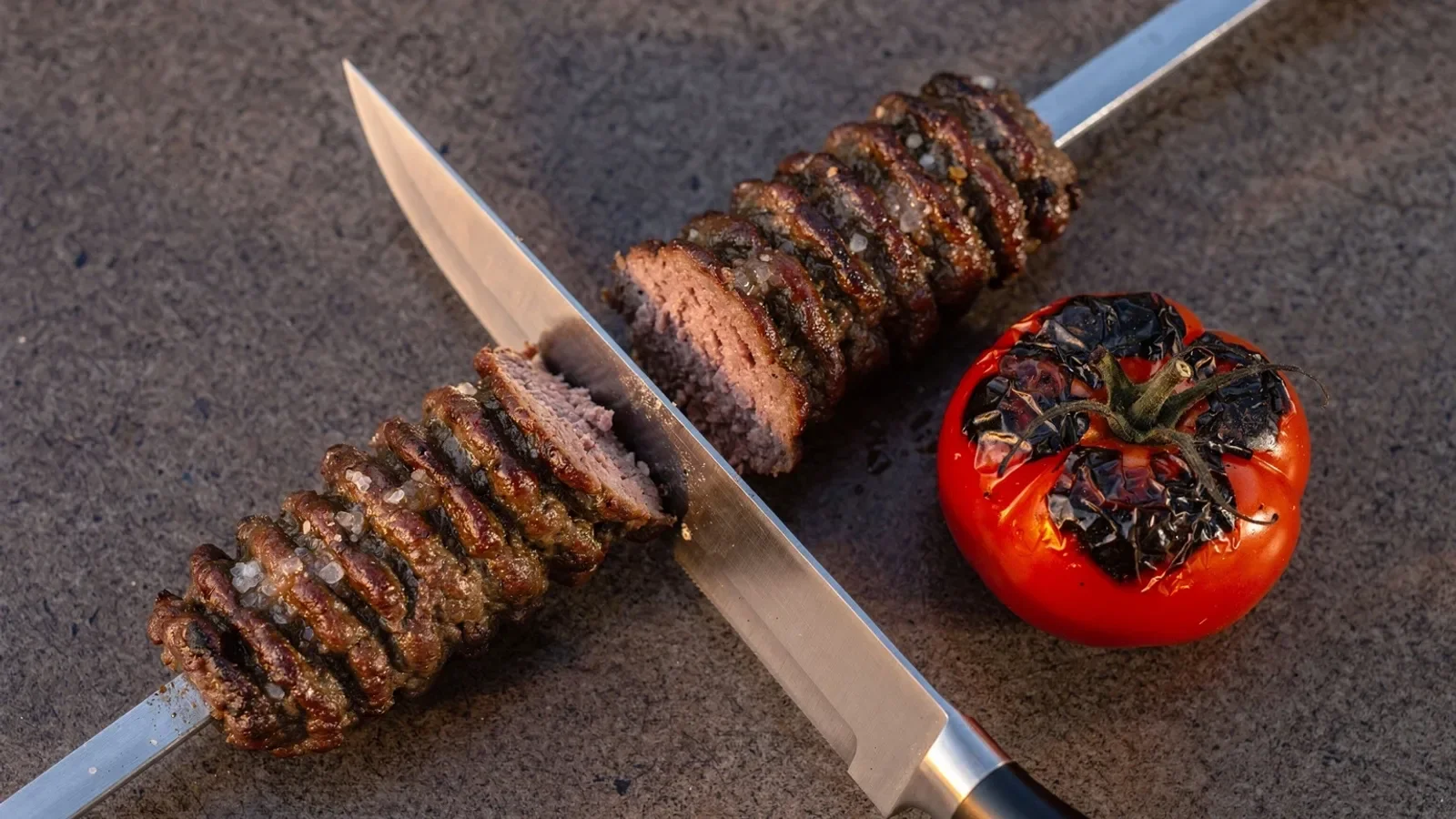
- Keep a dedicated shaker or pinch bowl of ruby-red ground sumac within arm’s reach of every diner. Sumac is not a decorative red dust. It is a tangential citrus-like acid derived from dried berries. Sprinkle it generously directly over hot ground meat skewers the second they come off the grill so the heat blooms the berry oils.
- Slice raw white or yellow onions into thick wedges to eat plain alongside bites of charred beef and saffron rice. Biting into a crisp slice of raw onion between forkfuls of meat and crispy saffron tahdig and mixed rice dishes cleanses the tongue. It also highlights the sweetness of the basmati grain.
- Serve pickled baby eggplants stuffed with garlic and herbs (torshi liteh or bademjan شکم پر) in small portions. Vinegar-cured sides are intense. A single tablespoon per person is enough to balance an entire plate of food. Piling a dinner plate high with torshi will blow out your taste buds and mask the subtle saffron and dried lime notes in the main dishes.
Assemble the flatbread, soup, and appetizer rhythm
Coordinate warm starches and starter bowls so the table transitions smoothly from light greens to heavy platters.
- Tear warm flatbread (sangak, barbari, or lavash) into palm-sized squares as soon as it hits the table and cover the basket with a clean cloth napkin. Exposed flatbread dries out into brittle crackers in minutes. Keeping it wrapped under cloth traps just enough steam to keep the crumb pliable for wrapping around herbs and cheese.
- Use sesame-crusted barbari or pebble-baked whole wheat sangak to scoop thick eggplant dips like kashk-e bademjan or mirza ghasemi. Save paper-thin lavash for wrapping around skewers or catching the juices underneath grilled meats. Thin bread tears immediately under the weight of dense roasted eggplant and fermented whey (kashk).
- Spoon hot ash reshteh (herb and noodle soup) into small starter cups rather than deep entree bowls if kabobs are following. It comes packed with kidney beans, chickpeas, lentils, reshteh noodles, and heavy bunches of spinach and cilantro. A full bowl of ash acts as a complete meal and leaves zero room for rice and meat.
- Swirl peppermint oil (na’na dagh), caramelized onions (piaz dagh), and liquid white kashk into the top of warm dips right before serving. Do not stir the toppings completely into the base. Let diners drag a piece of bread through the concentrated tart whey and fried mint on top. Every bite gets distinct layers of flavor.
- Clear empty soup bowls and bread crumbs before the main platters arrive, but leave the sabzi khordan, mast, and torshi on the table until the end of the meal. In Persian dining, sides are not strict first-course appetizers. They stay on the table to accompany every single forkful of the main course, as detailed in our guide on how to pair koobideh kabobs with traditional sides and stews.
Glendale-specific considerations for sourcing and serving Persian sides
Adjust how you buy, transport, and stage your fresh herbs and cold sides to match the San Fernando Valley and Glendale climate and dining setup.
- Inspect bundled herbs at Glendale specialty grocers early in the morning for crisp stems and zero yellowing at the base. High turnover in local markets along Glenoaks Boulevard, San Fernando Road, and Central Avenue means fresh bundles of tareh, reyhan, and tarkhoon arrive daily from California growers. However, afternoon shoppers often get picked-over bunches that have sat under warm display lights.
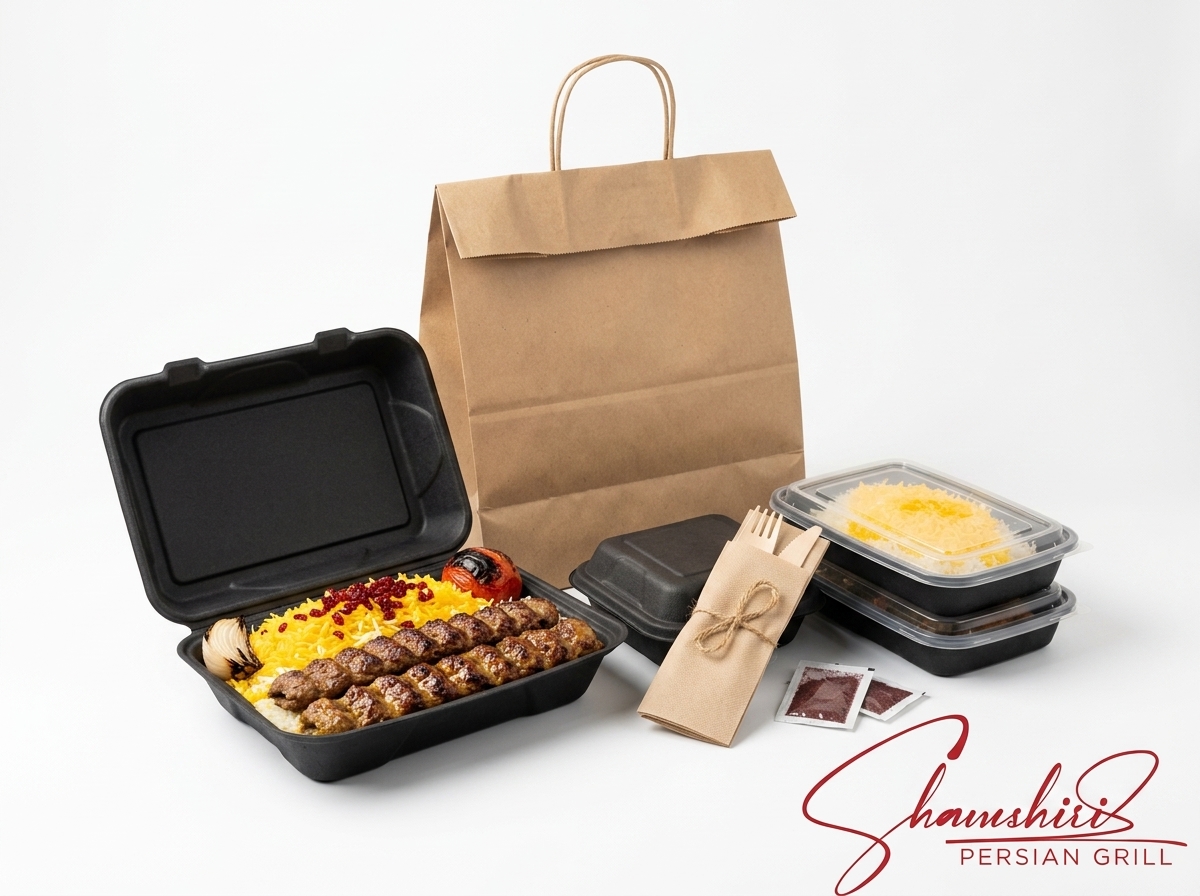
- Pack a chilled insulated bag in your trunk when picking up takeout orders of mast-o-khiar, salad Shirazi, and fresh sabzi in Glendale. Even during late autumn and winter, daytime sun in the Verdugo Mountains basin heats up a parked car trunk fast. Never place cold yogurt containers or fresh raw herbs next to steaming foil pans of rice and grilled meat inside a single plastic bag. It wilts the greens and warms the dairy during a ten-minute drive up Brand Boulevard.
- Wash California-grown field bunches of tarragon, mint, and leek in three separate changes of cold water to remove fine sandy grit. Per the FDA guidelines for selecting and serving produce safely, rinsing fresh herbs thoroughly under running water removes soil and surface debris before raw consumption. Local open-field agricultural soil hides deep inside the tight leaf sheaths of Persian leek (tareh). Swish the greens vigorously and lift them out of the water so the sand sinks to the bottom of the sink. Repeat until the basin water stays completely clear.
- Keep outdoor patio spreads shaded and cover yogurt and cut vegetables when dining al fresco in the foothill breeze. Dry Santa Ana winds and low Glendale humidity pull moisture out of uncovered sabzi khordan platters and warm flatbread in under ten minutes. Keep a damp linen cloth draped over the herb basket until the exact moment everyone sits down to eat.
- Balance group takeout and dine-in table orders by matching one cold side and one fresh herb platter to every two hot entrees. When planning a complete family-style Persian dinner spread in Glendale, resist the urge to order only meat and rice trays. Adding two contrasting cold sides per four people keeps a large group feast balanced without cluttering smaller apartment or patio dining tables.
Frequently Asked Questions About Traditional Persian Sides
What herbs are always included in a classic sabzi khordan platter?
A standard sabzi khordan platter includes fresh tarragon (tarkhoon), spearmint (na’na), sweet or purple basil (reyhan), and Persian leek (tareh) or green scallions, alongside small radishes (torobcheh). Depending on seasonal availability, many tables also add cilantro (geshniz), watercress (shahi), or parsley (jafari). These are always accompanied by brined feta cheese and raw walnuts.
How do you eat sabzi khordan during a Persian meal?
Tear off a piece of warm flatbread, place a small slice of feta cheese and a walnut half in the center, and lay a few whole herb leaves on top. Fold the bread over into a small roll and eat it by hand. Once the main courses arrive, you can also pluck raw herb leaves and radish slices directly from the platter to eat between bites of stew, rice, and grilled meat.
Should you order yogurt dips or vinegar pickles with kabobs and stews?
Order strained yogurt dips like mast-o-khiar or mast-o-mousir when your meal centers on dry-heat grilled skewers like chicken joojeh or beef barg. The cool dairy adds moisture. Choose sharp vinegar pickles (torshi) or fresh salad Shirazi when eating rich, slow-simmered stews like ghormeh sabzi or fesenjoon, or high-fat ground beef koobideh. Strong acidity is needed to cut through the richness.
Ready to experience how crisp herbs, cool yogurt dips, and tangy pickles balance a classic charbroiled meal? Explore the options at Shamshiri Persian Grill in Glendale to plan your next table spread.